Get your free personalized podcast brief
We scan new podcasts and send you the top 5 insights daily.
Ed Luttwak diagnoses Xi Jinping with Stockholm Syndrome. Xi's family was destroyed by Mao Zedong, yet he now adores and emulates him. This psychological condition, where a victim identifies with their abuser, explains Xi's seemingly irrational drive to revive Mao's cult of personality and aggressive policies.

Related Insights
Xi Jinping's focus on a long arc of Chinese history and managing a near abroad from a position of strength connects him more to powerful Qing emperors like Kangxi and Qianlong than to the revolutionary Mao. This comparison highlights his goal of restoring China's historical predominance.

The ousting of a trusted ally like Zhang Yuxia prompts debate on Xi Jinping's motives. It could signal a descent into paranoia, where he suspects everyone. Alternatively, it may be a calculated act of ruthlessness, proving even close allies are disposable once their utility expires.
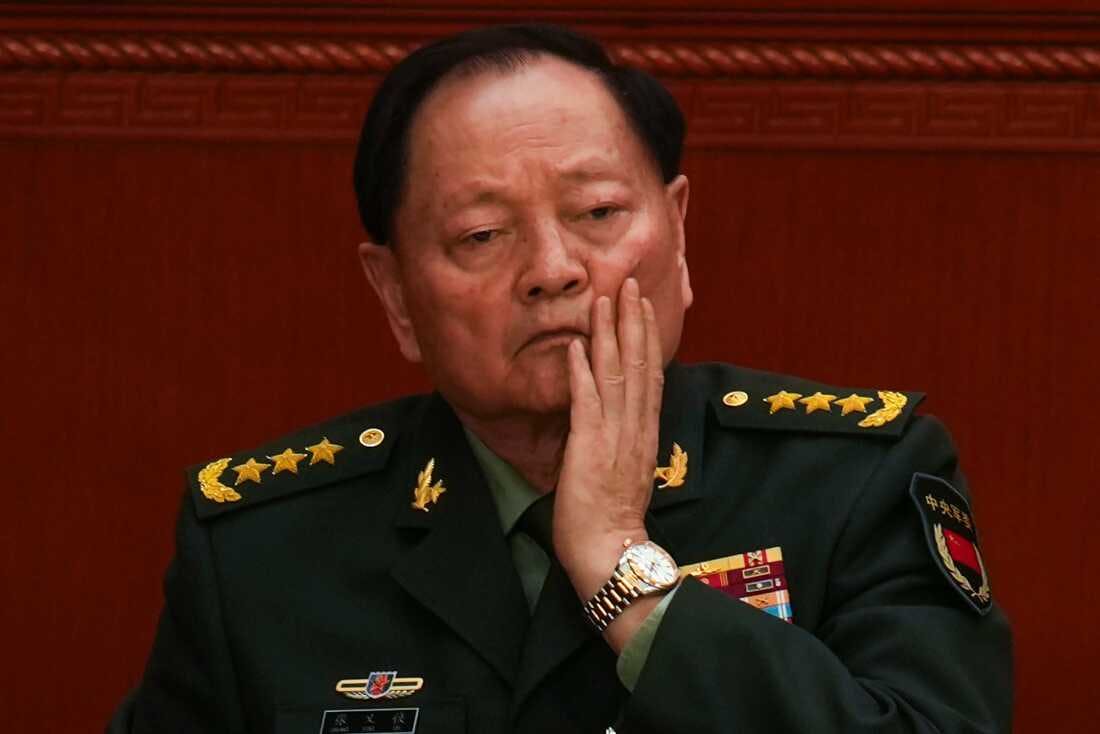
As a 'princeling,' Xi Jinping possesses an intuitive, inherited understanding of the Communist Party's hidden power networks. This allows him to surgically purge high-level opponents without getting 'zapped,' a feat his predecessors couldn't manage.
Xi's purge of Zhang Yuxia, a close ally kept past retirement age, signals a new phase. He has moved from eliminating enemies and associates to being "pitiless with his friends," indicating a dangerous consolidation of power or growing paranoia.
The investigation of General Zhang Youxia, a childhood friend and trusted ally of Xi Jinping, suggests the military purge extends beyond anti-corruption efforts. It points to a deeper concern with consolidating absolute authority, where even long-standing, powerful allies are seen as potential political threats that must be neutralized.
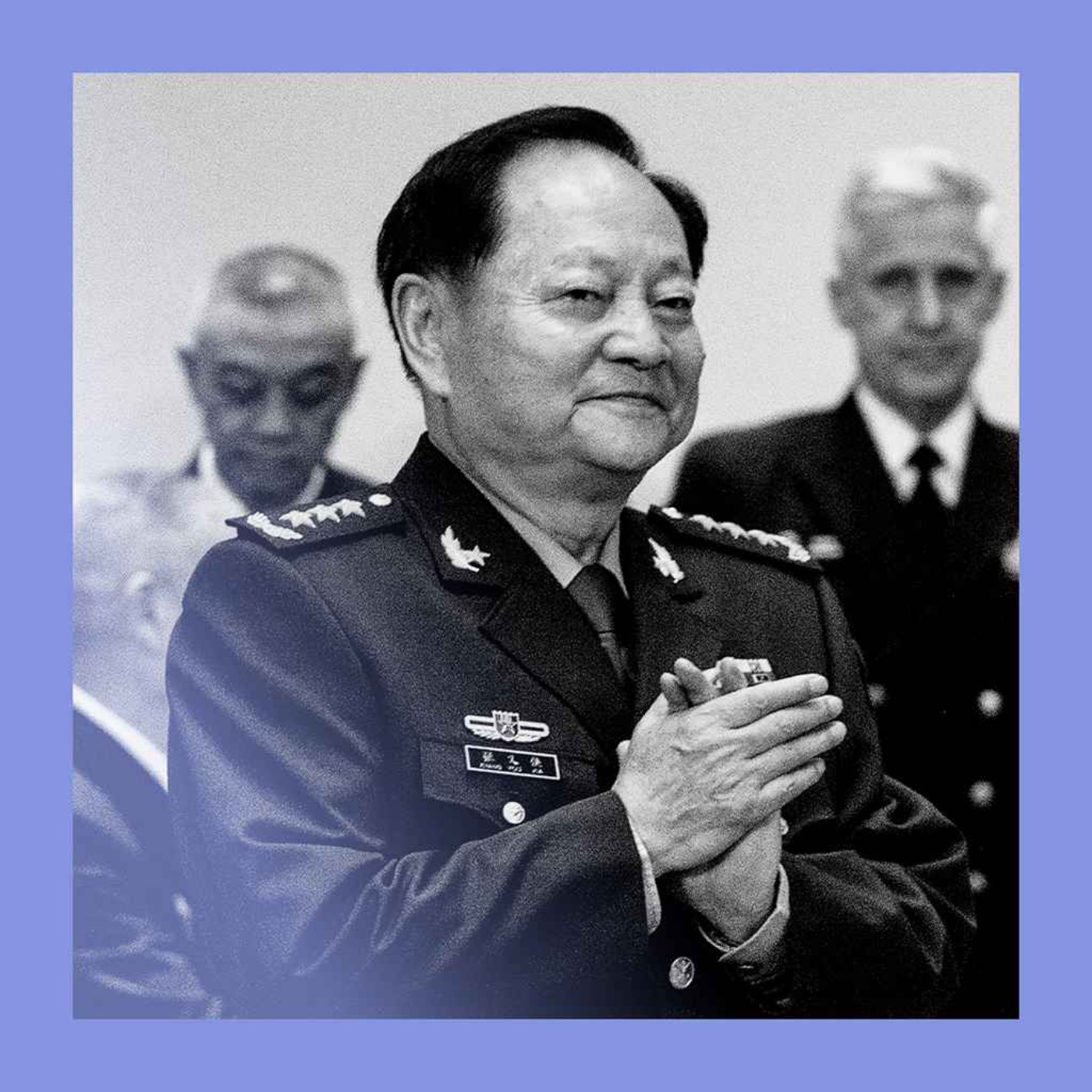
The purge's focus is on generals who "trampled on the chairman responsibility system," indicating a crackdown on challenges to Xi's direct, supreme command over the military, rather than a standard anti-graft campaign.
China's inner circle, led by Xi Jinping, believes the U.S. is in terminal decline. They view American social and political paradoxes—like New York, the center of capitalism, electing a socialist—not as features of a complex democracy, but as evidence of a fracturing and decaying society.

Unlike pragmatic predecessors, Xi Jinping operates from a quasi-religious belief that China is divinely intended to be the "middle kingdom"—the world's dominant power. This ideological North Star explains his confrontational approach to geopolitics, even when it seems economically irrational.
High-level purges often result not from overt scheming, but from officials unintentionally misinterpreting the leader's opaque desires. Like Xi's own father, loyalists can accidentally get "sideways of the boss," a far more common and dangerous risk than outright treason.
Recent purges in China's military mark a seismic shift as Xi targets his own appointees and longtime allies, not just rival factions. The removal of figures like Zhang Yuxia signals either Xi's ultimate ruthlessness or a potential shift toward paranoia.