Get your free personalized podcast brief
We scan new podcasts and send you the top 5 insights daily.
Dr. Tina Seelig defines fortune as external events (like traffic), while luck is the outcome of your actions (like preparing for an interview). Recognizing this difference helps you focus your energy on areas where you have control, thereby creating more of your own "luck."

Related Insights
Successful individuals and companies don't experience more fortunate events. Instead, they excel at capitalizing on positive serendipity and navigating negative shocks. The narrative of "luck" is often a psychological crutch for those unwilling to take responsibility for their reactions to life's inherent volatility.

You have little control over what happens to you, but complete control over how you respond. To be the 'author' of your life, you must stop blaming external circumstances and instead focus on what you can control: your actions, thoughts, and internal monologue. This shift from victim to author is crucial.

The phrase "I make my own luck" is a misnomer. Life outcomes are a function of two things: luck (uncontrollable) and decision quality. While you can't control luck, you can consistently make better decisions that increase the probability of favorable outcomes over time.
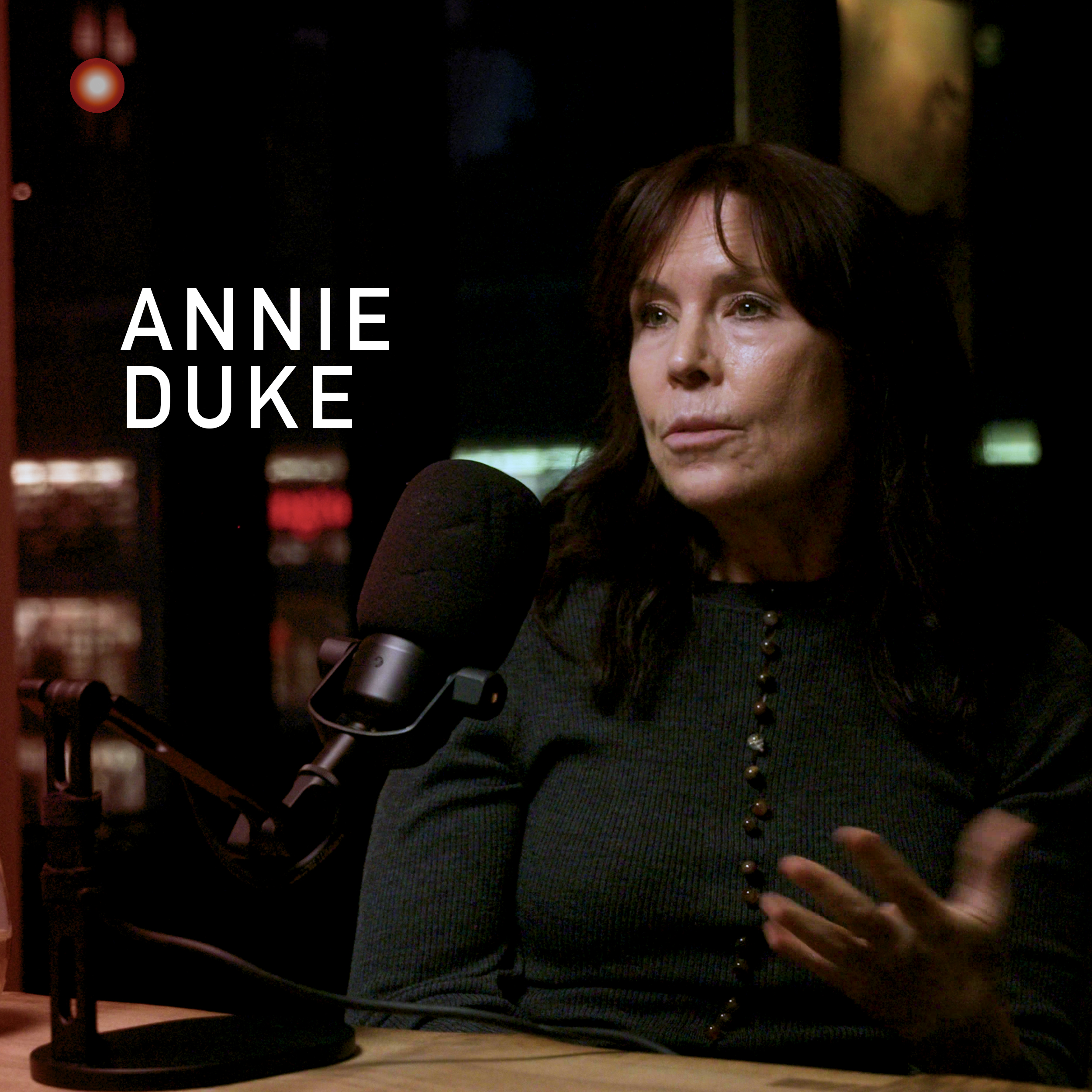
Luck and opportunities are ever-present but invisible, like the wind. To harness them, you must first build your "ship" (internal work and skills), recruit your "crew" (your network and relationships), and then hoist your "sail" (the daily actions you take to catch opportunities).
Rather than a vague aura, luck should be defined as a specific event with three criteria: 1) you didn't cause it, 2) it has a potentially significant consequence (good or bad), and 3) it was a surprise. This framework transforms luck from a passive concept into something you can analyze and respond to strategically.

You can systematically increase your luck by evaluating choices based on which one presents a wider range of potential positive outcomes. Opting for an unconventional seminar over a predictable night out is a bet on higher variance and a greater chance for a life-changing encounter.

Epictetus taught that life's first job is to separate what is in our control from what is not. Focusing energy on things you can't control is like powering a car's wheels that aren't on the ground—it's wasted effort that could be applied where you actually have traction and can make a difference.

People who believe they are lucky aren't just recipients of random good fortune. Their optimistic belief system primes their attention to notice opportunities that "unlucky" people, who are focused on tasks and limitations, literally do not see. Luck is a function of perception, not chance.

Fortune refers to the random events that occur in your life, like stumbling upon a useful video. Luck, however, is created by your deliberate actions in response to those events, such as reaching out to the video's creator. This distinction highlights the personal agency required to turn random chance into tangible opportunity.
Jim Collins' research shows that highly successful entities don't receive more good luck or less bad luck than their peers. The key differentiator is their "Return on Luck"—their superior ability to recognize and capitalize on a luck event, good or bad, when it happens. This is a far more critical variable than luck itself.