Get your free personalized podcast brief
We scan new podcasts and send you the top 5 insights daily.
The founder's experience in performance marketing revealed that ad-reliant brands would vanish if spending stopped. He built Last Crumb with the opposite thesis, focusing on deep brand connection and an exceptional experience that would generate organic excitement, independent of paid acquisition.

Related Insights
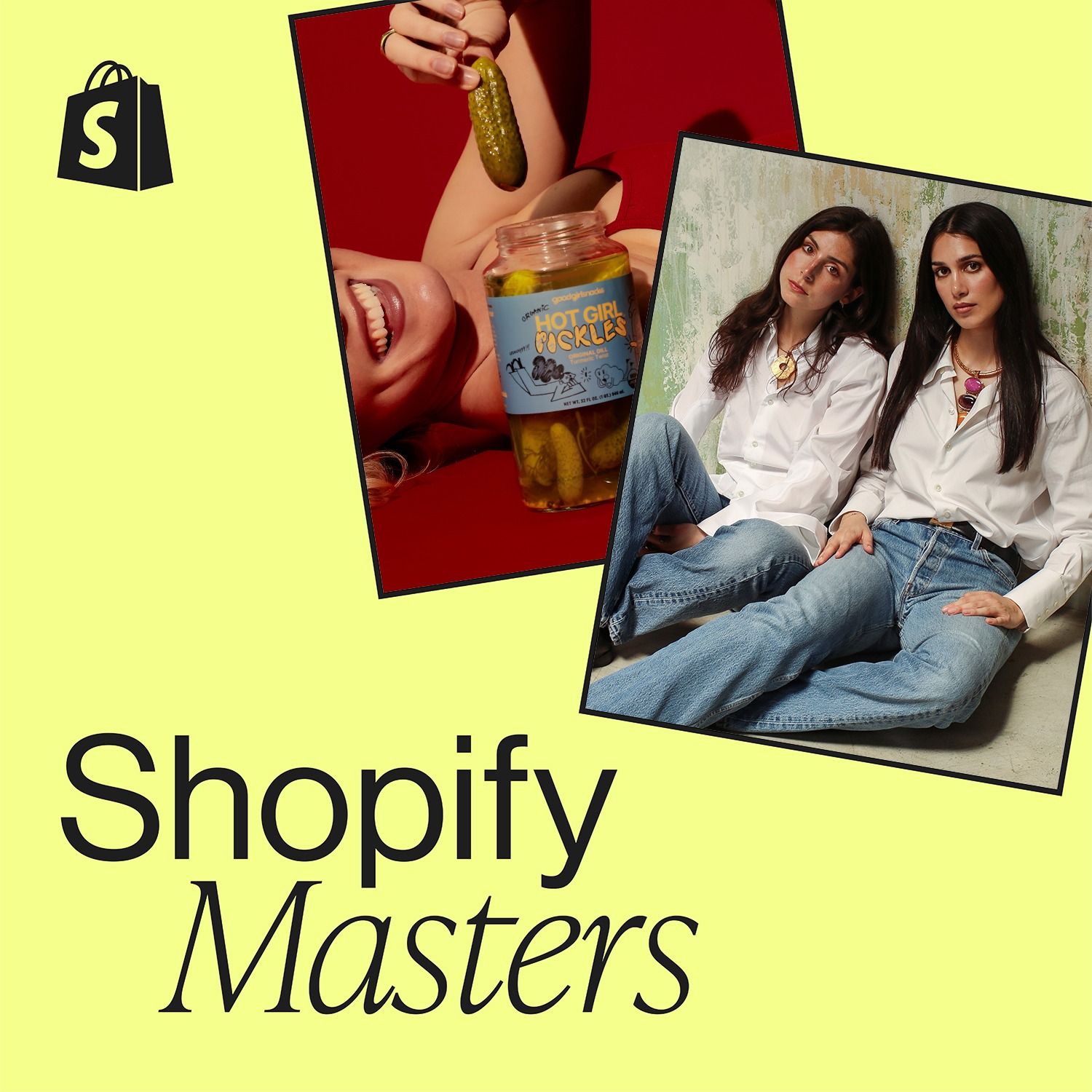
Good Girl Snacks attributes its $0 CAC to the founders personally appearing in content daily. They believe in today's market this is the most effective way to maintain scrappy growth, as Gen Z consumers prefer authentic, founder-led stories over traditional ads.
Natalie Ellis attributes her brand's organic growth ($40M revenue on <$3M ad spend) to one principle: never sacrificing long-term results for short-term revenue. This means resisting the urge to over-promote or burn out her audience, instead choosing to build trust that pays off exponentially over time.

After a successful launch led to a growth plateau, Gamma chose to reinvest in product instead of marketing. They re-architected the first 30 seconds of the user experience to be "magical" enough to generate the organic word-of-mouth they lacked, which ultimately fueled their viral growth.

The founders delayed institutional funding to protect their long-term brand strategy. This freedom allowed them to avoid paid ads, which a VC might have demanded for quick growth, and instead focus on building a more powerful and sustainable word-of-mouth engine first.
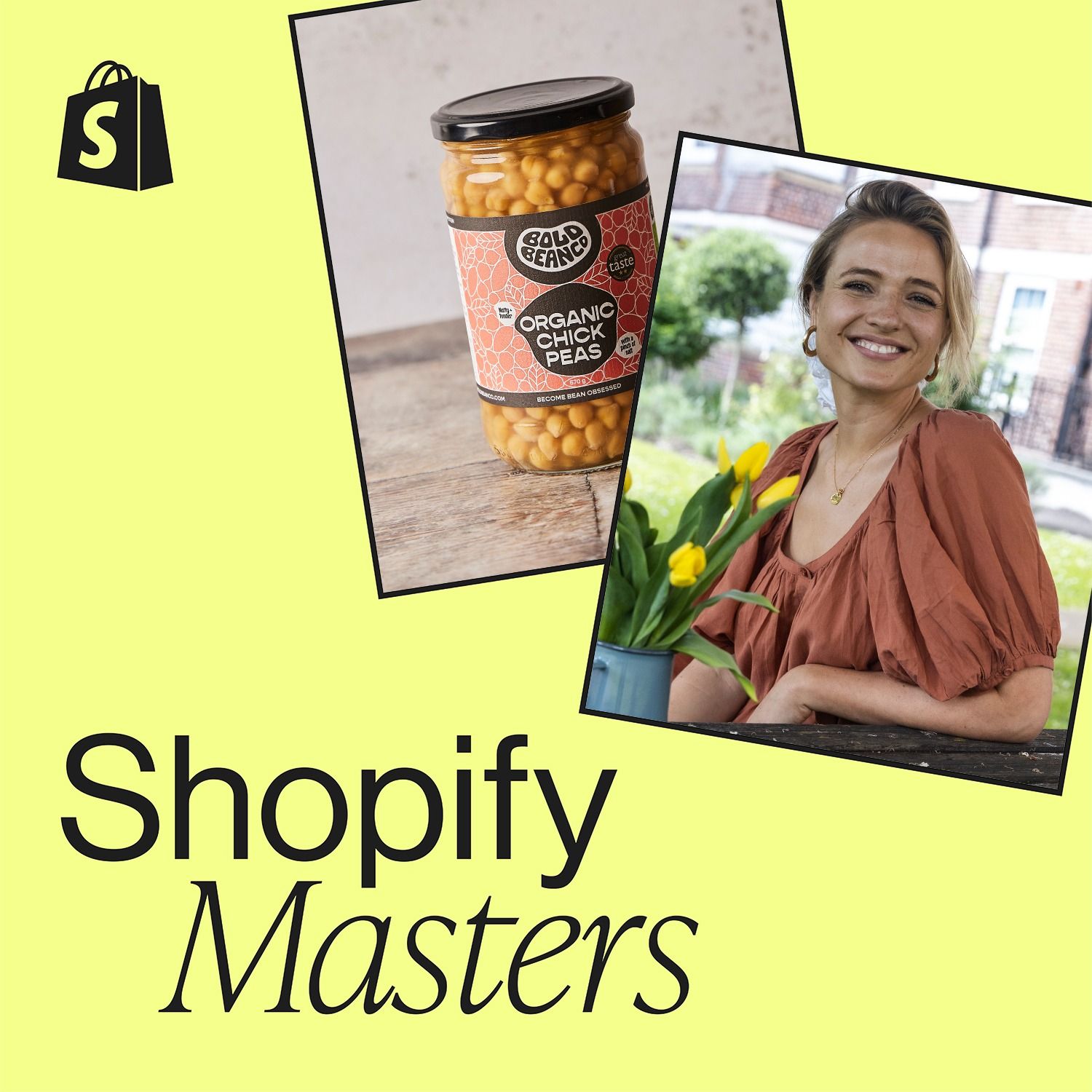
As platforms like Google consume media traffic, brands can no longer rely on placing ads next to content. They must become the content destination themselves. The strategy is to build a direct relationship, often via an app, winning "the battle of the storefront on your phone" and reducing dependency on paid channels.
Relying solely on performance ads for rapid growth creates a sales machine, not a defensible business. This strategy makes you vulnerable to copycats who will replicate your product and target the same audience for less. Reinvest ad profits into organic content to build a brand moat.

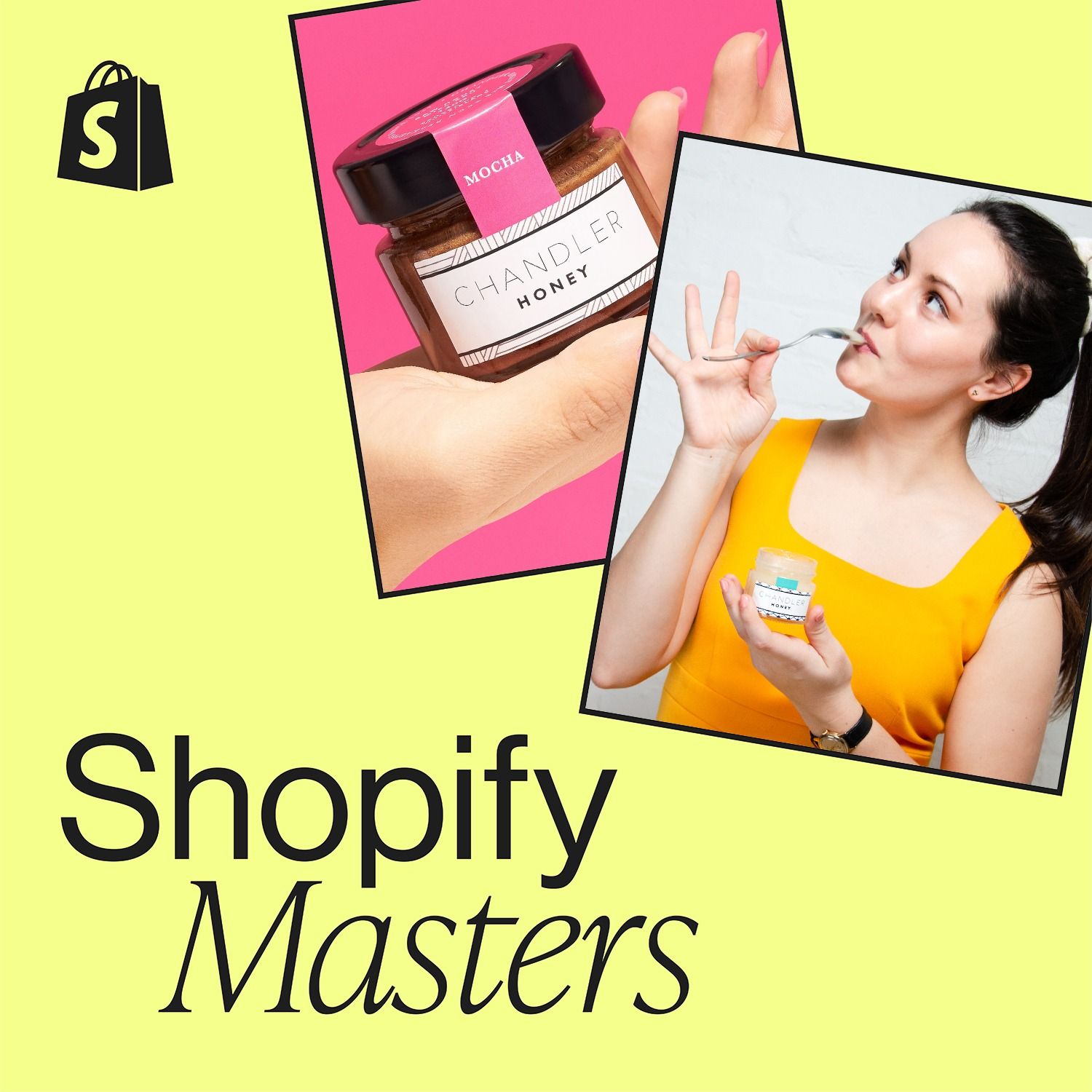
After finding paid ads on Meta were designed to be barely profitable, the founder stopped them entirely. She now focuses on organic marketing, using her personal story on Instagram and a strong email list to build a loyal customer base more profitably.
In today's market, founders cannot afford to build a product and then seek an audience. The only durable competitive advantage is building a content engine first to capture free impressions and organic reach, then monetizing that pre-existing audience with a product or service.
The engineering-driven view of advertising (e.g., from Musk or Zuckerberg) optimizes for last-touch attribution and immediate ROI. This model is flawed because it ignores the crucial, long-term brand building that made a customer consider the product in the first place.

For startups competing against well-funded rivals, the key is not to outspend but to out-clarify. Rigorously defining who you are and why you are different creates a powerful brand affinity that money alone cannot buy, building a transactional business into a brand.
