Get your free personalized podcast brief
We scan new podcasts and send you the top 5 insights daily.
By installing Hermes Agent on an Android device using Termux, you can create a cheap, portable, and always-on agent. The Termux API provides access to phone hardware like sensors and SMS, enabling unique automations like handling 2FA codes.

Related Insights
Dispatch redefines the role of mobile in AI workflows. It is not for doing the work, but for orchestrating multiple, independent AI task sessions running on a powerful desktop. The phone becomes a remote 'command chair,' directing heavy-lifting tasks from anywhere.

Social media platforms may penalize content posted via third-party scheduling APIs. By running Hermes Agent on an Android phone, you can automate posts directly from the device, making the activity appear native and potentially preserving organic reach.
Perplexity is launching a personal, always-on agent that runs on a local Mac Mini to access user files and apps securely. This mirrors the 'OpenClaw' concept, indicating that persistent, local system access is becoming a key competitive feature for AI agents, not just a niche experiment.
Users are choosing the Mac mini to run Claude Bot because it's an affordable, reliable, always-on device that offers crucial native iMessage integration. This allows them to control their desktop-based AI from their phone, effectively turning the Mac mini into a personal server.

The viral popularity of a simple, Raspberry Pi-based AI companion demonstrates user desire to interact with agents without using a phone. This points to a market for dedicated hardware that offers a more immediate, voice-first, and character-driven experience than a chat app.

The focus on browser automation for AI agents was misplaced. Tools like Moltbot demonstrate the real power lies in an OS-level agent that can interact with all applications, data, and CLIs on a user's machine, effectively bypassing the browser as the primary interface for tasks.
By running locally on a user's machine, AI agents can interact with services like Gmail or WhatsApp without needing official, often restrictive, API access. This approach works around the corporate "red tape" that stifles innovation and effectively liberates user data from platform control.
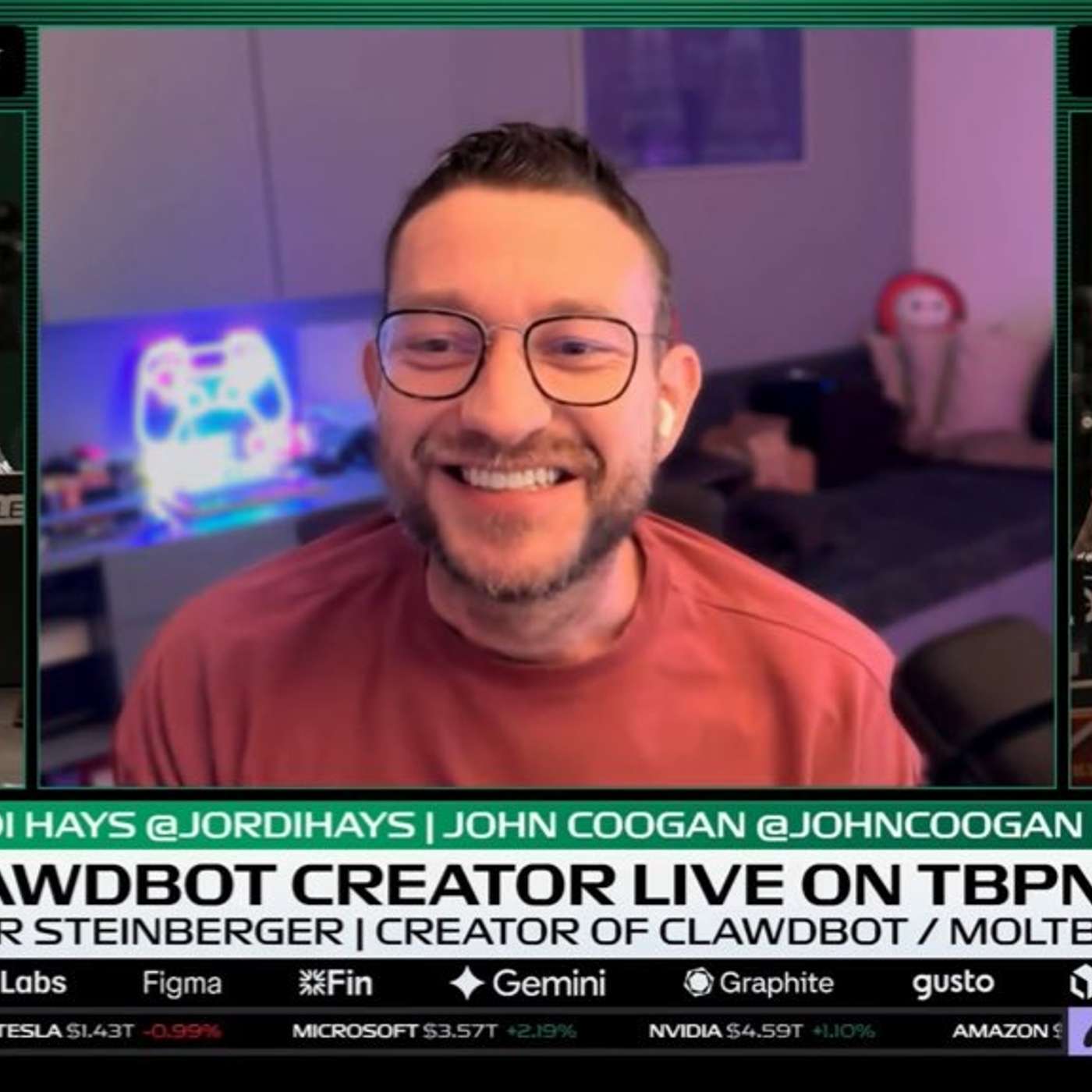
The technical friction of setting up AI agents creates a market for dedicated hardware solutions that abstract away complexity, much like Sonos did for home audio, making powerful AI accessible to non-technical users.

By giving agents control over physical or virtual smartphones, they can interact with millions of existing mobile apps via their user interfaces. The Phone Claw concept shows this bypasses the need for specific API integrations, opening a vast, untapped frontier for automation, competitive analysis, and QA testing.
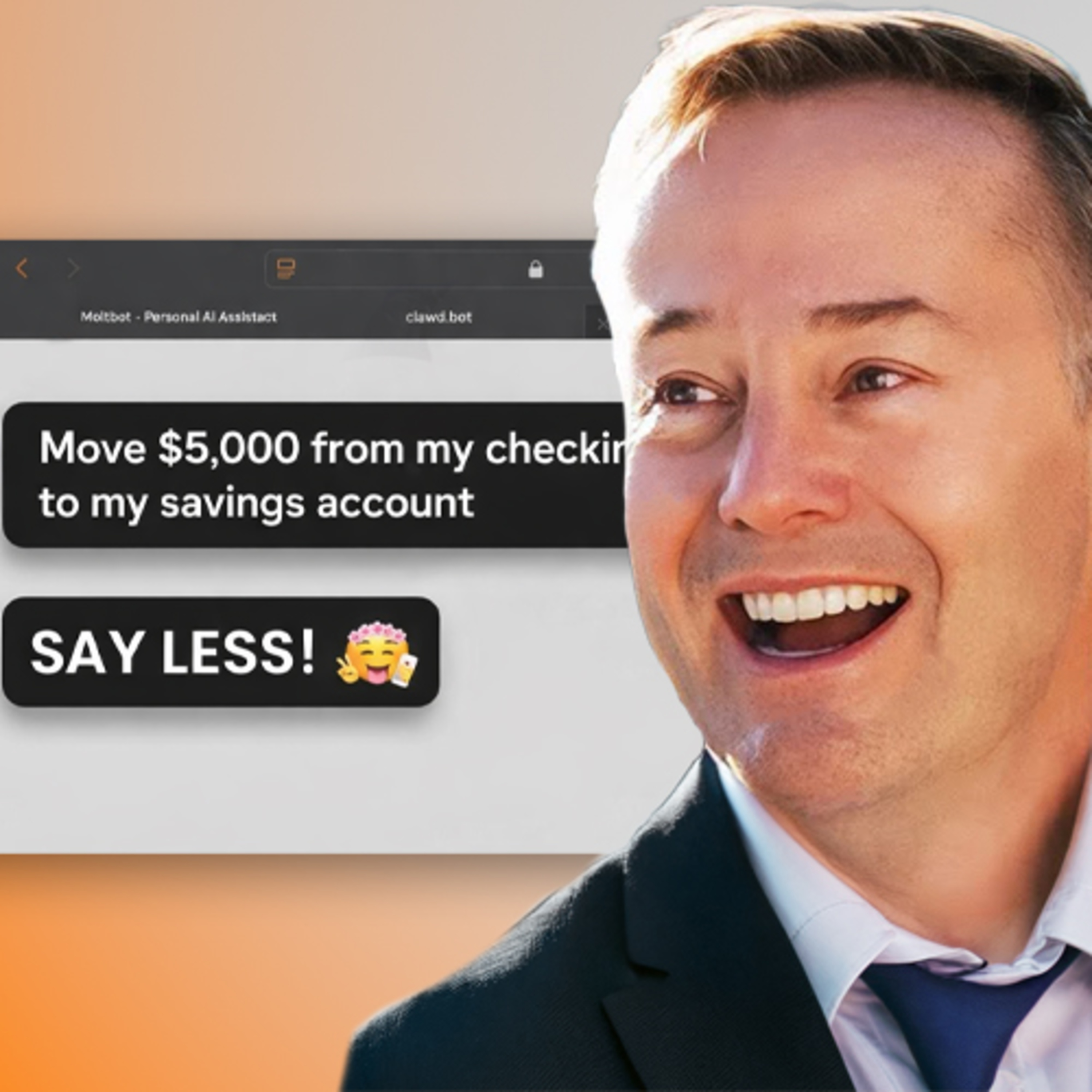
The trend toward cloud-native everything overlooks the power and convenience of the local machine. Providing an AI agent with local access avoids the immense friction of replicating a user's tools and authentication states in the cloud, making the agent far more capable.