Get your free personalized podcast brief
We scan new podcasts and send you the top 5 insights daily.
Motion focused its entire product strategy on the emerging 'creative strategist' role before it was mainstream, a risky bet that investors questioned. This deep focus on a specific, future-forward user persona became the cornerstone of their market leadership and success.

Related Insights
The next evolution of the marketing role ('Creative Strategist 2.0') is to feed ad performance insights back into core company strategy. Ads provide the richest signals on market needs, which should inform product development and company direction, not just GTM tactics.
Initial data suggested the market for design tools was too small to build a large business. Figma's founders bet on the trend that design was becoming a key business differentiator, which would force the market to expand. They focused on building for the trend, not the existing TAM.

Okta's major strategic pivot to focus on AI agent identity wasn't born in a boardroom. CEO Todd McKinnon began casually mentioning the idea at the end of customer meetings. The immediate, intense interest from customers, compared to his main pitch, convinced him to completely reorient the company's direction.

Vector's CEO specifically sought a marketing leader with a content and brand background, not a traditional demand gen expert. This reflects a shift where storytelling and brand building are seen as critical drivers for early-stage growth.

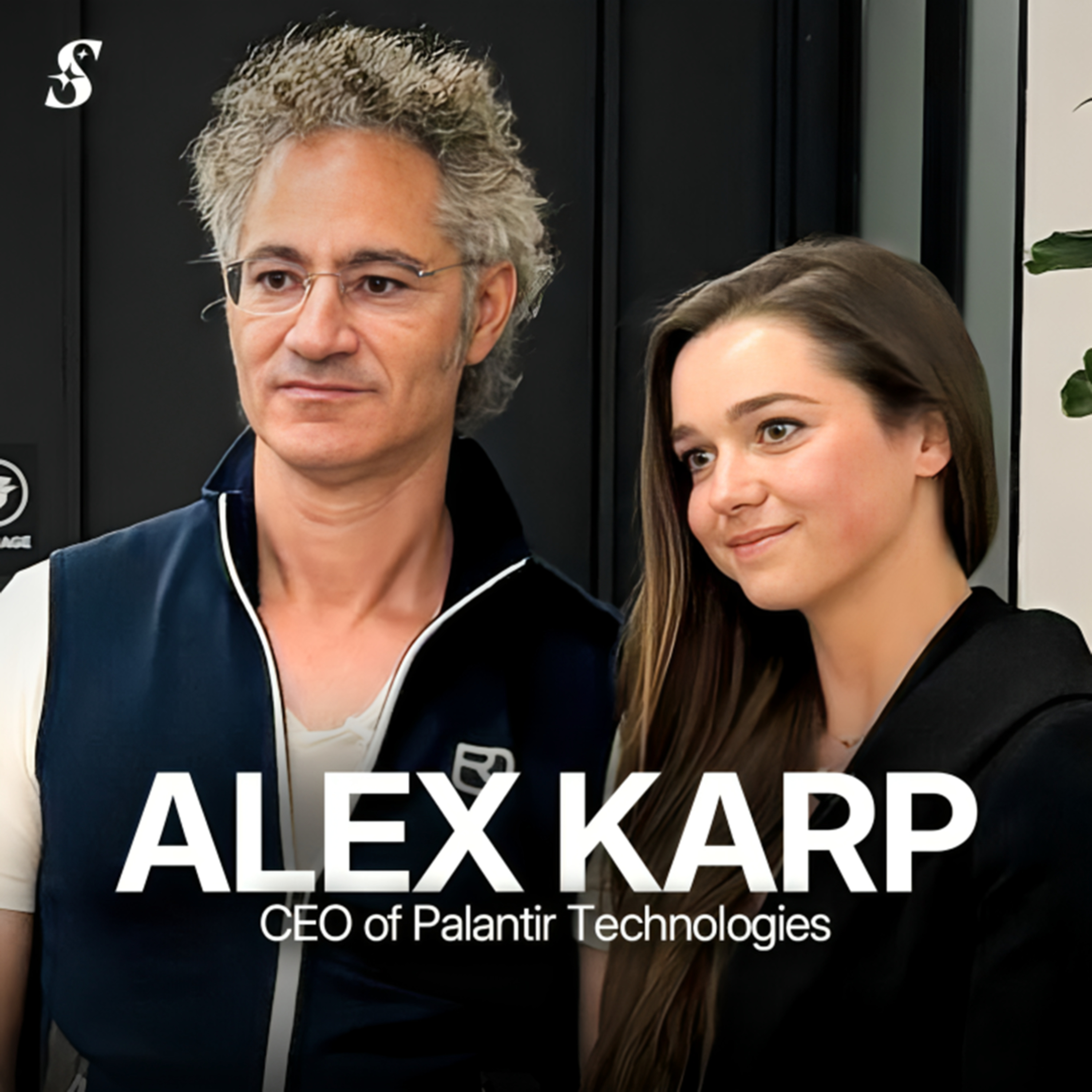
Palantir's product strategy is "more artistic than science." Instead of reacting to current market demands, the company builds solutions that tap into deep, misunderstood societal trends, much like an artist captures the future zeitgeist. This approach means creating products years before their relevance becomes obvious.
During an early internal meeting, founder Adam Fodd explicitly told his team, "I don't want the product to be on the generation side of things." He later reversed this stance after customer feedback, embracing the very concept he first rejected, which became the company's core breakthrough.

Motion designers are a crucial, yet often overlooked, early growth hire. Abstract, animated launch videos are more effective than founder monologues at capturing attention and quickly conveying core value propositions. These videos become the keystone marketing asset for every major product launch.

In the AI era, marketing and growth roles are splitting into two distinct archetypes: the 'tastemaker' who has exceptional creative taste and intuition, and the 'engineer' who can technically analyze and orchestrate complex systems. Being average at both is no longer a viable path to success.

To hire a founding designer, founders need a clear theory on how design will help the company beat its competition. This strategic framing is far more compelling than simply stating that design is important.

The primary benefit of being first isn't always commercial success. Instead, the ambition to be an innovator is a powerful tool for recruiting top-tier engineers and creatives. This cultural drive for leadership gives clarity to the internal roadmap and attracts talent that wants to build the future, making it a valuable recruiting tool.