Get your free personalized podcast brief
We scan new podcasts and send you the top 5 insights daily.
Enduring games like Roblox succeed because they are vessels for players to create their own fun, enabling self-expression and social roleplay. This avoids the unsustainable "content treadmill" where publishers must constantly create new narratives, instead letting player ingenuity drive engagement and scale.

Related Insights
Roblox's leadership intentionally directs a larger portion of revenue back to its creator community rather than maximizing corporate profits. This strategy fosters a more engaged and innovative developer base, which in turn drives the platform's overall success and long-term defensibility.

Having grown up controlling and modifying their digital worlds in games like Roblox and Minecraft, Gen Alpha will demand a sense of ownership and tinkerability in all their tools. Apps that offer this flexibility and control will win their loyalty.

Roblox CEO Dave Bazooki articulated the company's grand ambition: to expand from its current 3% share to capture 10% of the entire global gaming market. This strategy positions Roblox not as a single game but as a foundational platform for creators, similar to an operating system for interactive experiences.

In a growing global video game market, nearly all the growth outside of China was attributed to Roblox, while other segments remained flat or declined. This staggering statistic indicates a massive market shift where consumer time and money are consolidating into user-generated content (UGC) ecosystems over traditionally produced, high-fidelity games from major studios.
As AI democratizes content creation, the sustainable strategy for creators is to build an IP framework—a world with rules and a vibe—that empowers their community to co-create within it. This shifts the focus from top-down content to fostering a creative ecosystem, as exemplified by Rockstar's Grand Theft Auto.

Roblox's growth is amplified by its community's activity on other platforms. At one point, a third of all gaming content on a major short-form video app was Roblox-related. This demonstrates how empowering users to share content externally creates a powerful, self-sustaining viral loop.
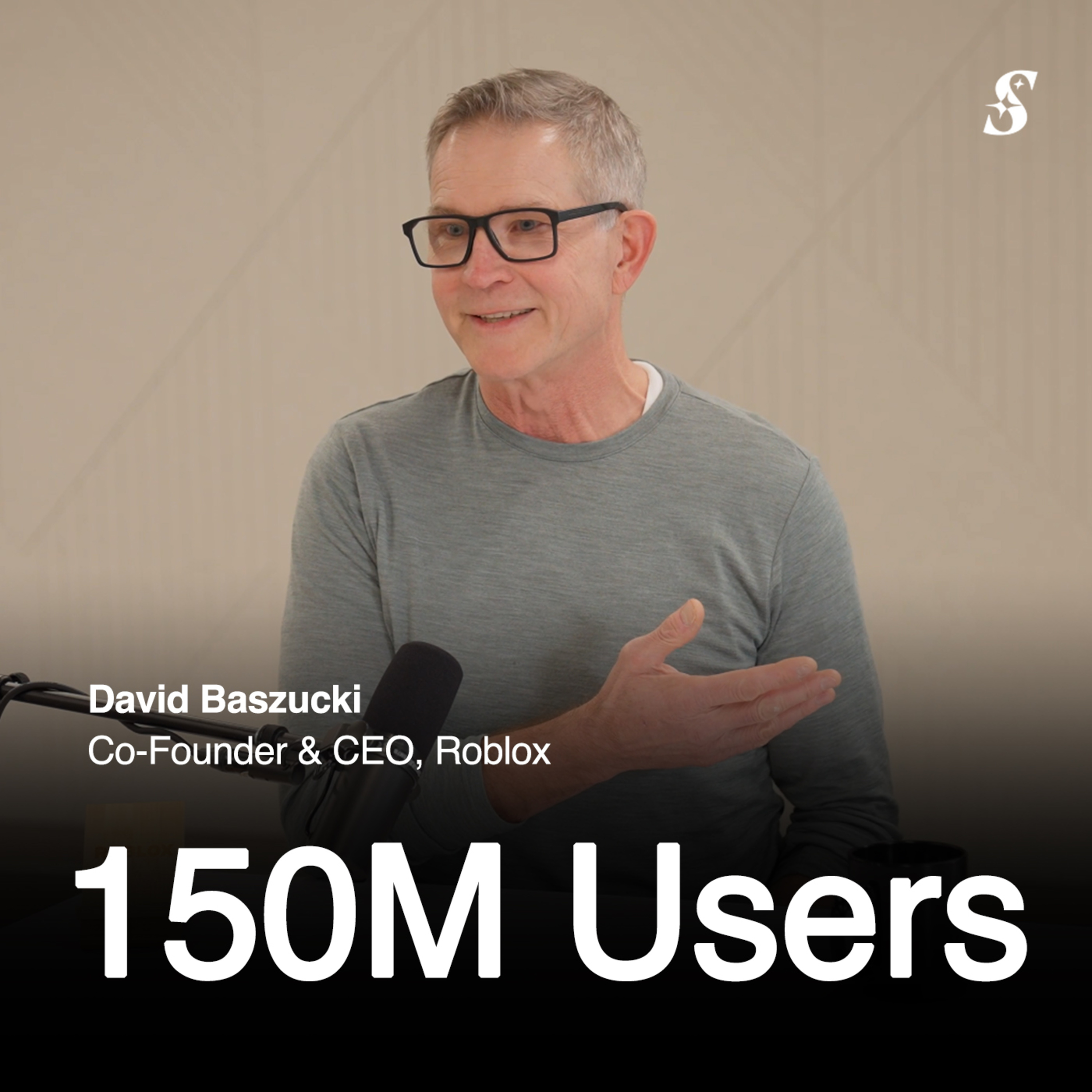
Roblox initially built platform-level features like clan rankings, which was a strategic misstep. They learned a platform's job is to provide tools and infrastructure, then trust its creators to build specific experiences, rather than trying to become a game developer itself.
To maintain relevance across generations, Roblox focuses on a simple but difficult technical specification: thousands of photorealistic people interacting in real-time. This resilient foundation allows the content to evolve with trends while the core engineering mission remains constant.
Contrary to the classic view of games as competitive, modern player data shows that motivations like self-expression and companionship are far more prevalent. Riot Games' success with cosmetic skins exemplifies the financial power of catering to this new hierarchy of player needs.

Instead of adhering to rigid academic definitions, creators should focus on whether their target audience perceives the experience as a valuable game. The players are the final arbiters of a product's category and value, rendering internal debates about definitions moot.