Get your free personalized podcast brief
We scan new podcasts and send you the top 5 insights daily.
Having grown up controlling and modifying their digital worlds in games like Roblox and Minecraft, Gen Alpha will demand a sense of ownership and tinkerability in all their tools. Apps that offer this flexibility and control will win their loyalty.

Related Insights
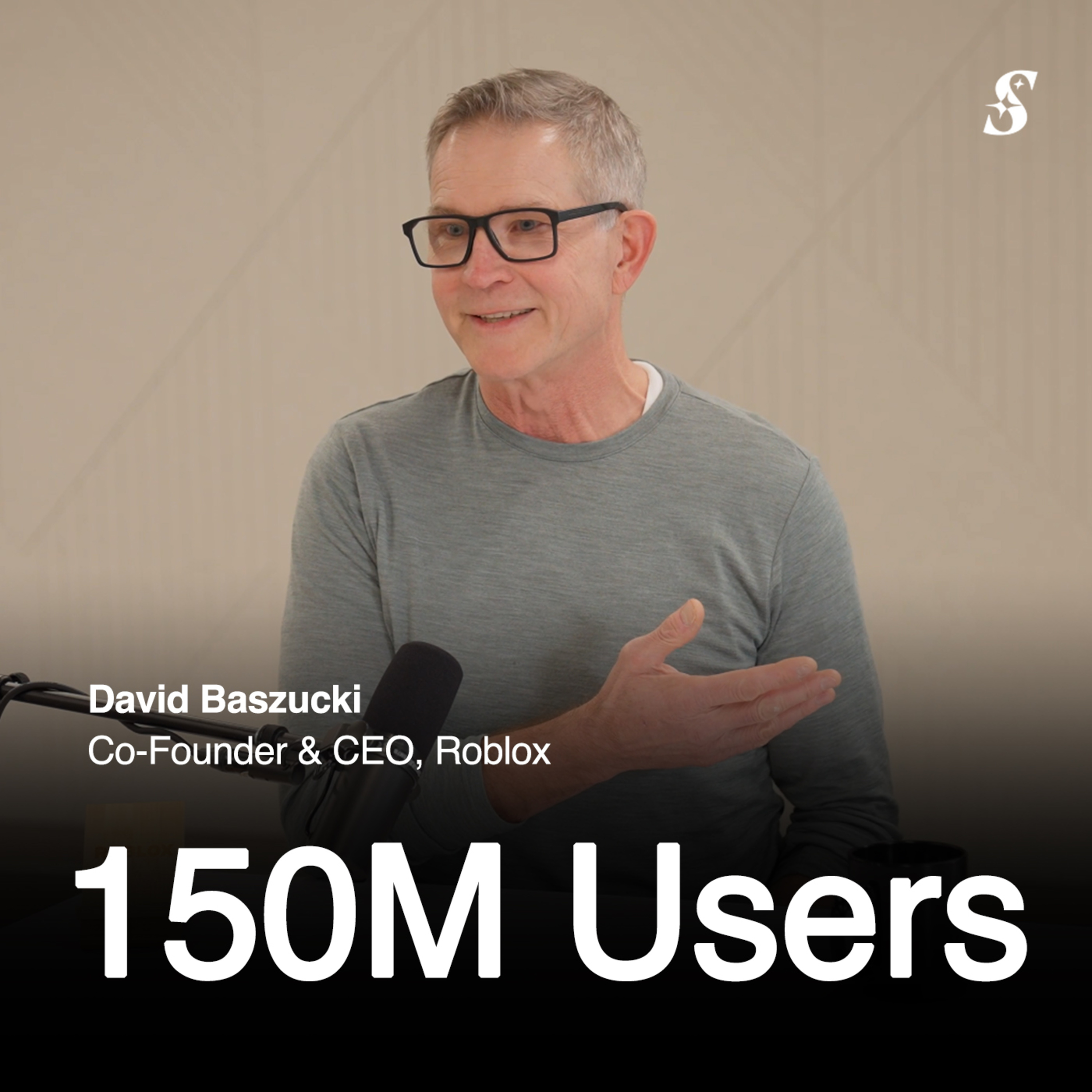
Roblox CEO Dave Bazooki articulated the company's grand ambition: to expand from its current 3% share to capture 10% of the entire global gaming market. This strategy positions Roblox not as a single game but as a foundational platform for creators, similar to an operating system for interactive experiences.

In a growing global video game market, nearly all the growth outside of China was attributed to Roblox, while other segments remained flat or declined. This staggering statistic indicates a massive market shift where consumer time and money are consolidating into user-generated content (UGC) ecosystems over traditionally produced, high-fidelity games from major studios.
AI will democratize software development to the point where building your own custom apps becomes commonplace. Instead of settling for one-size-fits-all solutions, people will create "personal software" perfectly tailored to their specific workflows, like a custom workout tracker.

The founder of AI design tool Moda discovered an immediate, high demand for an API. This signals a major shift in user behavior: even for consumer-facing creative tools, users now expect to chain products together into complex, automated workflows from launch, altering product roadmaps.

The barrier to creating software is collapsing. Non-coders can now build sophisticated, personalized applications for specific workflows in under an hour. This points to a future where individuals and teams create their own disposable, custom tools, replacing subscriptions to numerous niche SaaS products.

The most immediate path for AI in gaming isn't building entire games from scratch ('vibe coding'), but rather in modding existing, popular games. This 'mashup' approach leverages established mechanics and communities, allowing for faster, more tractable innovation, much like the 'Harry Potter by Balenciaga' AI trend.
The surprising success of Dia's custom "Skills" feature revealed a huge user demand for personalized tools. This suggests a key value of AI is enabling non-technical users to build "handmade software" for their specific, just-in-time needs, moving beyond one-size-fits-all applications.

Roblox's leadership frames their total addressable market beyond the $200 billion gaming industry. They are building for the "human co-experience market," viewing their platform as a new communication medium akin to a sci-fi holodeck where people share experiences.
The next generation of social networks will be fundamentally different, built around the creation of functional software and AI models, not just media. The status game will shift from who has the best content to who can build the most useful or interesting tools for the community.

The excitement around tools like OpenClaw stems from their ability to empower non-programmers to create custom software and workflows. This replicates the feeling of creative power previously exclusive to developers, unlocking a long tail of niche, personalized applications for small businesses and individuals who could never build them before.