Get your free personalized podcast brief
We scan new podcasts and send you the top 5 insights daily.
Ben Horowitz advises against the traditional CEO/COO 'Mr. Outside/Mr. Inside' structure in small companies. He argues it creates a flawed communication architecture, akin to having two people in charge, which hinders agility. A flatter structure is generally better for an early-stage tech company.

Related Insights
Most startups focus on product or technology innovation, but Gamma's CEO argues that innovating on organizational design is an equally powerful lever. This means rethinking hiring, management, and team composition to create a competitive advantage.

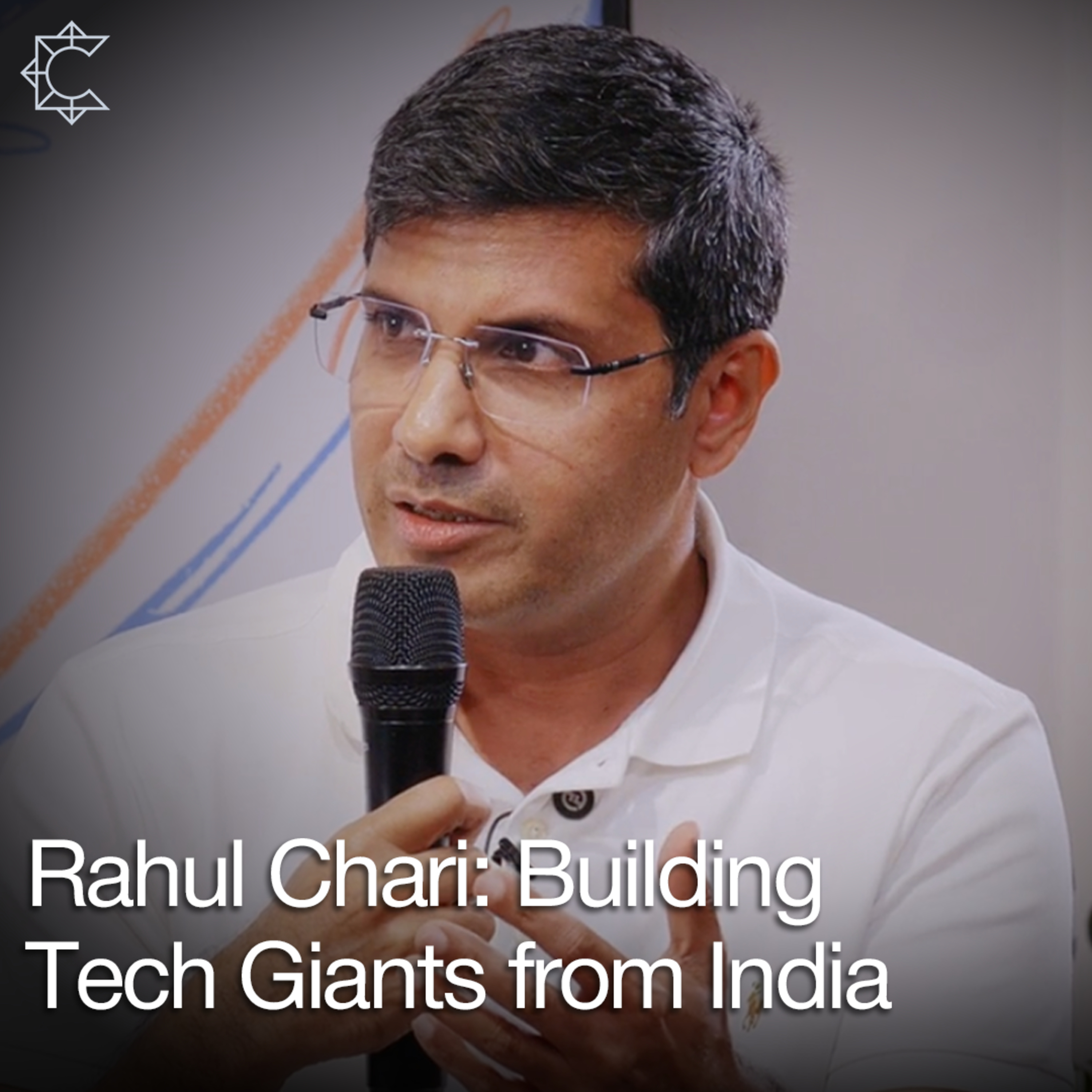
Recoiling from Flipkart's complex leveling system (which spawned an "SD 2.5" role), PhonePe's CTO implemented a flat hierarchy with minimal titles. This structure aims to focus engineers on impact and capability growth, rather than chasing promotions and labels.
To scale his company Exit Five, the founder (the "Visionary") promoted his COO to CEO (the "Integrator"). This structure, from the book *Traction*, allows the creator to focus on ideas and content while the operator runs the business, manages the team, and implements processes.

At Crisp.ai, the core value is that the best argument always wins, regardless of who it comes from—a new junior employee or the company founder. This approach flattens hierarchy and ensures that the best ideas, which often originate from those closest to the product and customers (engineers, PMs), are prioritized.
Horowitz argues that the critical failure mode for founders isn't making mistakes, but the subsequent loss of confidence. This leads to hesitation on necessary but painful decisions, like reorgs, creating a power vacuum and political chaos that ultimately sinks the company.
![Ben Horowitz - Backing America’s Future - [Invest Like the Best, EP.457] thumbnail](https://megaphone.imgix.net/podcasts/9505619a-009e-11f1-869d-c7d5bc43b194/image/83257eb514e1fd42513d2e46eeb4e9dd.jpg?ixlib=rails-4.3.1&max-w=3000&max-h=3000&fit=crop&auto=format,compress)
Jensen Huang maintains an extremely flat organization with around 60 direct reports and no one-on-one meetings. This unconventional structure is designed to accelerate information travel, empower senior leaders, and weed out those who can't operate without direct guidance.

Unlike corporate executives who respect hierarchy, top VCs are idea-generators who resist rules. Horowitz states the key to managing a VC firm is proactive organizational design that minimizes potential conflicts, which are far more destructive than in a typical company.

To maintain agility while scaling, A16Z models itself after the original Hewlett-Packard, operating as a series of small, autonomous groups (e.g., crypto, infra). This structure blends the power and resources of a large organization with the speed and ownership of a small one.
To avoid bureaucratic bloat, organize the company into small, self-sufficient "pods" of no more than 10 people. Each pod owns a specific problem and includes all necessary roles. Performance is judged solely on the pod's impact, mimicking an early-stage startup's focus.
The common VC advice to hire "professional managers" when scaling often introduces rigid, bureaucratic systems. Instead, seek dynamic leaders who can operate in a fluid, high-growth environment, even if they lack a traditional management resume. Prioritize adaptability over process.
