Get your free personalized podcast brief
We scan new podcasts and send you the top 5 insights daily.
Kyle says around February they could build almost anything quickly, which removed the earlier clarity of 'build for Figma.' They had to keep reassessing where opportunity was as tools like Conductor changed their own workflow every few days. Ridd says they leaned on Kyle's early trend sense.

Related Insights
With generative AI, creating code and content is nearly free. This shifts the primary challenge from execution to strategic focus. The most valuable human input is now judgment and taste to decide which ideas to pursue, preventing the creation of low-quality, unfocused products.

While AI allows anyone to build tools, this leads to a lack of focus. True growth comes from strategic alignment, not a high volume of disconnected outputs. Without a product function to prioritize problems and focus resources, you get a "hackathon every day" culture that fails to serve a coherent strategy.

AI tools are causing an explosion of features, making execution a commodity. The core skill for product teams is no longer building, but deeply understanding user needs. The winning products will be those that solve real problems, not those that are merely built fast.

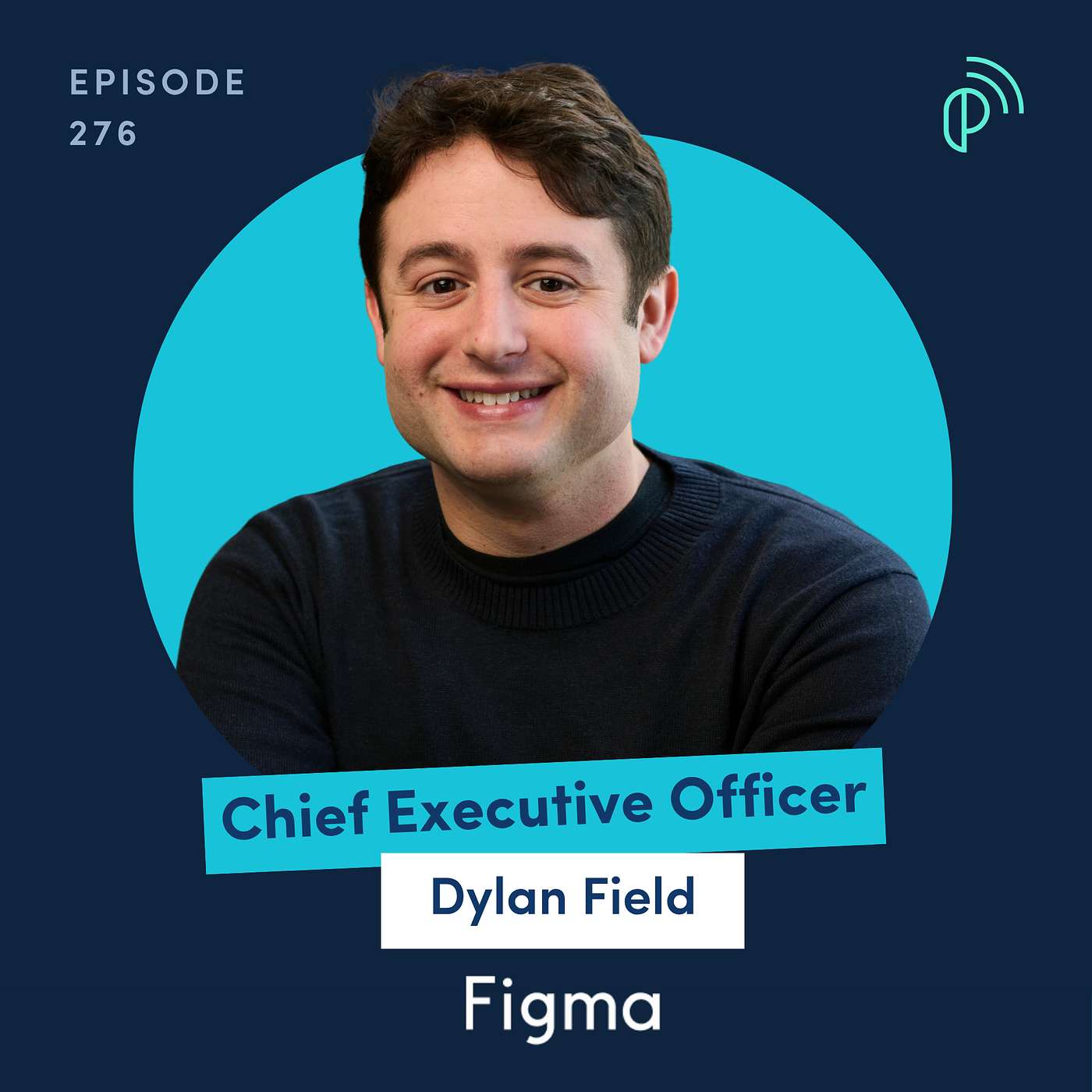
As AI accelerates software development, basic functionality becomes table stakes. Figma's CEO contends that differentiation and winning now depend entirely on design, craft, and a strong point of view, as 'good enough' products will no longer succeed.
AI tools dramatically speed up code implementation, making engineering velocity less of a constraint. The new challenge becomes the slower, more considered process of deciding *what* to build, placing a premium on strategic design thinking and choosing when to be deliberate.

AI co-pilots have accelerated engineering velocity to the point where traditional design-led workflows are now the slowest part of product development. In response, some agile teams are flipping the process, having engineers build a functional prototype first and then creating formal Figma designs and UI polish later.

AI coding tools can create a sense of high productivity, leading to "AI psychosis" where engineers latch onto an idea and build rapidly without strategic steering. This risks building the wrong thing efficiently, highlighting the need for human oversight and critical thinking beyond the AI-generated path.

AI has commoditized idea generation and initial execution like creating docs, decks, and prototypes. The new critical bottleneck for teams is no longer creativity but establishing shared context. The challenge is ensuring everyone is "playing the same game" to enable faster, higher-quality decisions.

As AI makes software creation virtually free, the old model of debating ideas before building is obsolete. Teams can build first and decide later. The critical skill becomes curation: identifying which disposable tools are important enough to maintain and support.
Traditionally, implementation was expensive, so teams de-risked ideas with docs. With AI, building is cheap, so teams now create numerous prototypes first and then curate them. The process is now "build then decide," not "decide then build," with curation and taste becoming the most expensive part.