Get your free personalized podcast brief
We scan new podcasts and send you the top 5 insights daily.
The success of landmark US acquisitions wasn't just about a low price. The Louisiana Purchase was structured like a margin loan with no payments for over a decade because Napoleon was a motivated seller. This highlights how favorable, creative financing terms can be as critical as the price in large-scale investments.

Related Insights
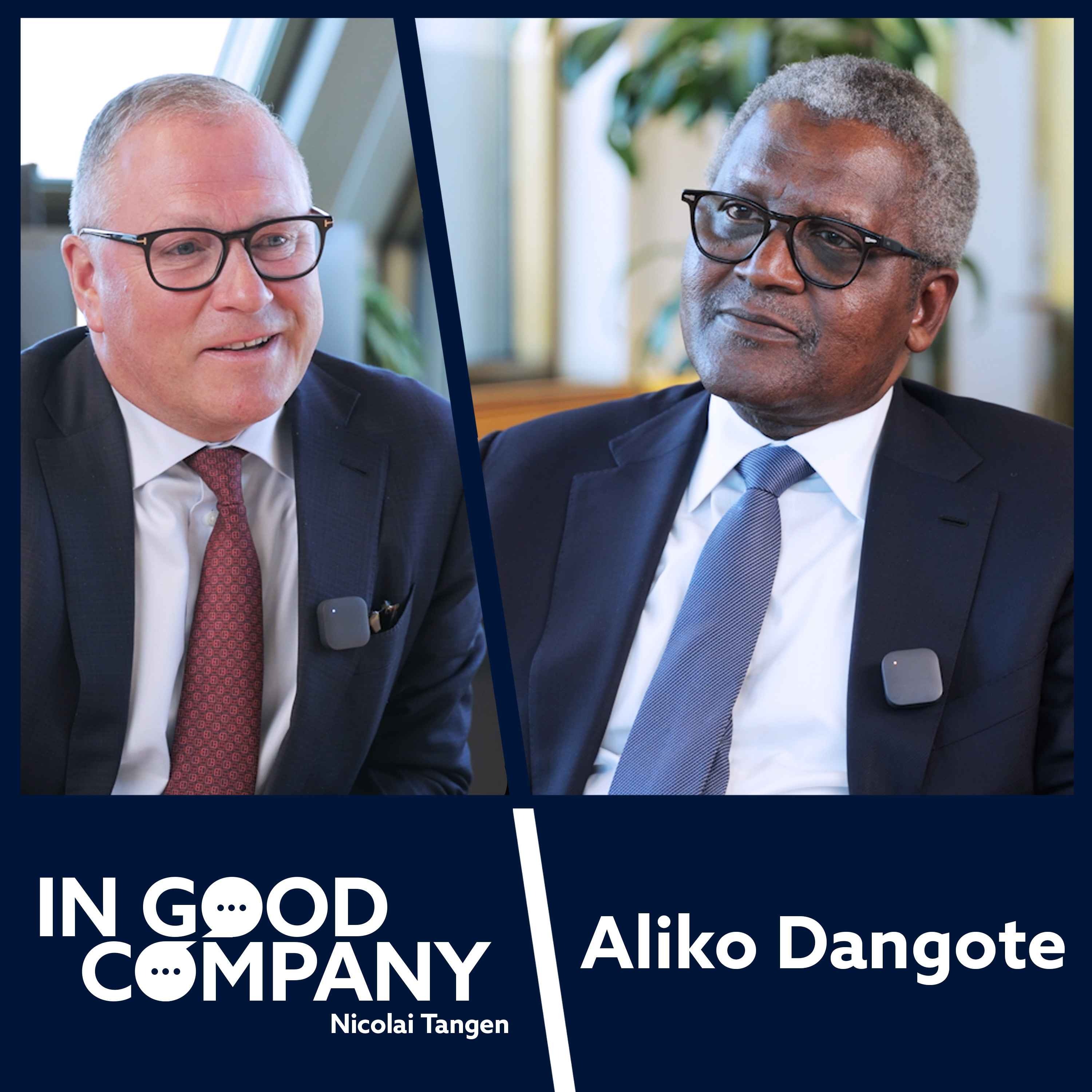
Aliko Dangote reveals China's competitive edge in Africa is superior financing. Chinese firms offer attractive supplier credits, such as 20% down with a five-year term, backed by state insurance. This allows African companies to scale projects faster compared to Western firms that often demand full payment upfront.

The US market, initially overlooked, proved more dynamic for infrastructure investors. Unlike global markets dominated by rigid government auctions, the prevalence of privately-owned US assets allowed for creative structuring, exclusive negotiations, and relationship-based deals, avoiding a pure 'cost of capital shootout'. This model of sourcing has now become the global standard.

Alex Bouaziz's core M&A principle, learned from his father, is to optimize for long-term satisfaction over short-term leverage. Even when holding the upper hand in negotiations, he structures deals to be fair for both sides. The goal is for both the acquirer and the acquired founder to look back in five years and feel the deal was a great outcome, ensuring better integration and alignment.

In small business acquisitions with high leverage, the key variable for success is not the interest rate, but the 10-year amortization schedule offered by SBA loans. This extended repayment period creates crucial cash flow flexibility that shorter-term conventional loans cannot match.

At 18, Alex Marechniak acquired his first business with minimal capital by negotiating an "earn out" with the sellers. This seller-financing structure allowed him to pay for the business using a percentage of its future revenue, proving lack of capital isn't a barrier to ownership.

Conquistador expeditions were entrepreneurial ventures, not state campaigns. Leaders like Pizarro formed partnerships, raised private funds, and invested in high-risk "island hopping" operations hoping for massive returns. This model privatized both the risk of failure and the rewards of success, mirroring modern venture capital.

Aspiring business owners can overcome capital constraints by negotiating seller-financed deals. The original owner effectively loans the buyer the purchase price, often in exchange for a share of future profits, making acquisitions more accessible to individuals.

According to Dangote, China's business success in Africa stems from its aggressive financing terms. Unlike Western companies that often require full payment upfront, Chinese suppliers offer multi-year credit with small down payments, backed by their state insurance, enabling African companies to leverage capital and grow faster.
Small RV parks, often owned by retiring baby boomers with no online presence, are highly profitable assets. You can acquire them with minimal capital by negotiating seller financing, where the owner holds the note. This allows you to use profits from improving the business to pay for the asset itself.

By capitalizing an acquisition as an asset, the expense is spread over 5-7 years. This means you only take a fraction of the cost hit on the current year's budget. This financial arbitrage works if you believe future budgets will be larger, making subsequent payments feel smaller and easier to justify.
