Get your free personalized podcast brief
We scan new podcasts and send you the top 5 insights daily.
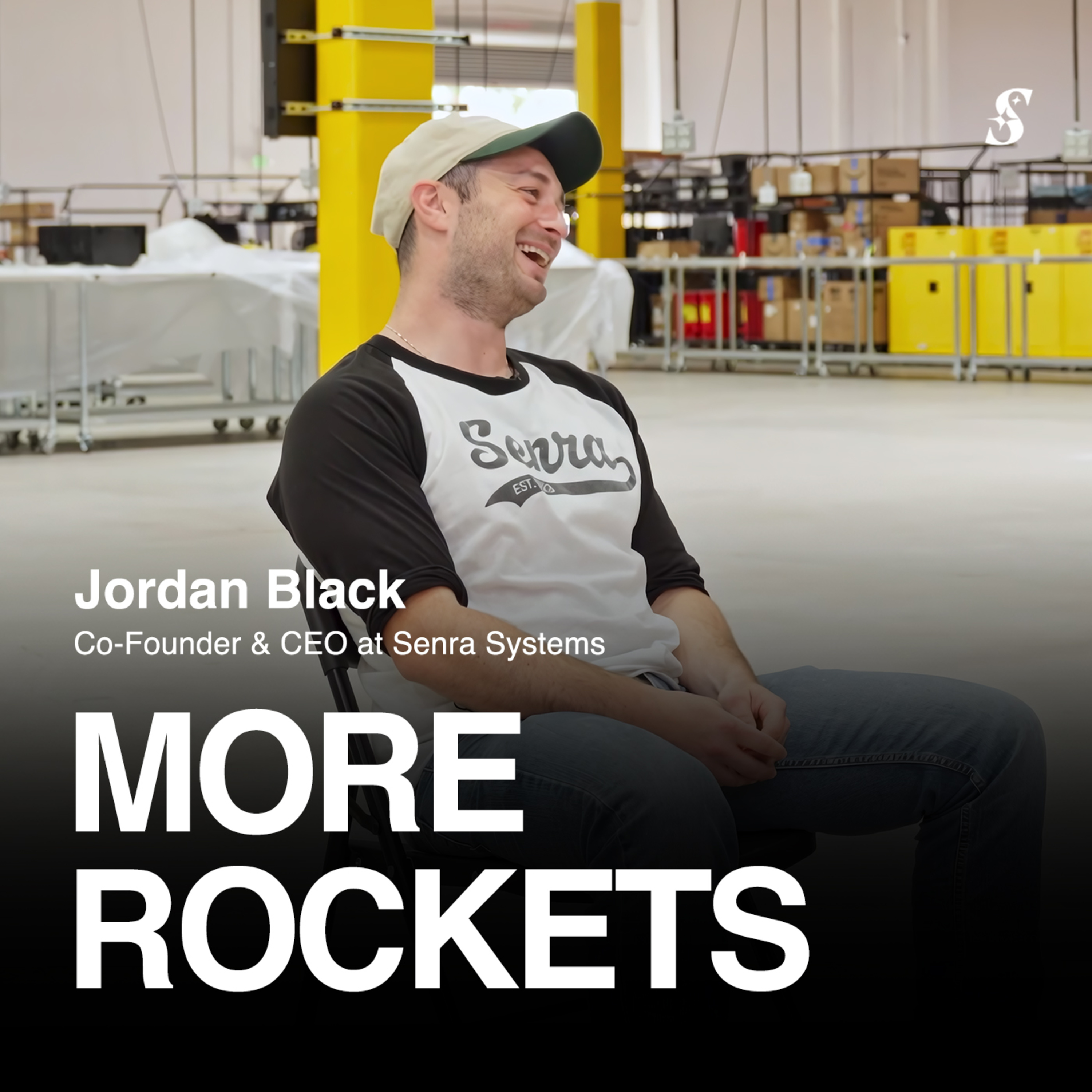
Senra Systems' name is 'harness' spelled backward, with the 'h' and 's' removed. This stands for their mission to 'delete the horseshit' from the wire harnessing industry. This clever origin story transforms a simple name into a memorable, daily reminder of the company's core value of radical simplification.
Related Insights
The name "Dollar Shave Club" was chosen for its functional clarity, immediately communicating the value proposition: affordable razors via subscription. This strategy removes ambiguity and allows potential customers to understand the business on first contact, a crucial advantage for a new market entrant.

A mission statement is not the mission itself. The real mission is an emergent property of the company's culture and daily decisions. As seen with Cloudflare, their ethos of "making a better Internet" was lived by employees long before it was ever formally written down.

Inspired by Elon Musk’s "make humanity interplanetary," Exa's CEO emphasizes creating powerful, memorable names for internal projects. A strong name acts as a memetic core, ensuring everyone understands a project's mission, which is critical for alignment as a company grows.

The company was almost named "Delicious Designs," a generic name. The breakthrough came when they realized their simple, descriptive tagline, "The Edible Arrangement," was the most powerful and memorable name because it clearly communicated the product's value proposition.
A great name isn't just catchy. It must be original within its category, linguistically easy for the brain to process ('processing fluent'), and contain an element of surprise that grabs attention and makes it memorable.

Generic values like "Speed" are meaningless because no one disagrees with them. To make a value impactful, embed its inherent trade-off into the statement, like Facebook's "Move Fast and Break Things." This acknowledges what you are willing to sacrifice, making the value a unique and actionable strategic choice.
A company's real mission is an emergent property discovered through its culture, not just declared. At Cloudflare, an engineer first articulated the mission of "making a better internet," which the initially skeptical CEO later embraced after realizing it described what they were already doing.

Not every brand has a compelling, authentic founder story. Instead of fabricating one, successful brands should build a strong philosophy and make the customer the hero of the narrative. This shifts the focus from the founder's journey to the customer's transformation.

While starting in a niche is smart, a hyper-specific name like 'SakeDomist' signals a small vision to investors and can hinder pivots to larger markets. A broader name allows for a bigger narrative and Total Addressable Market (TAM).

Tom Rinks attributes part of Sun Bum's success to its name. Including the word "sun" meant customers were already saying half the brand name when thinking about the category, similar to successful brands like Drano for drains or Home Depot for home products.