Get your free personalized podcast brief
We scan new podcasts and send you the top 5 insights daily.
Single-product companies struggle to align R&D team size with fluctuating opportunities. Bending Spoons uses a centralized pool of flexible R&D talent that can be rapidly deployed to different portfolio companies, maximizing efficiency and capturing short-lived windows of opportunity that others miss.
![Luca Ferrari - Building Bending Spoons - [Invest Like the Best, EP.446] thumbnail](https://megaphone.imgix.net/podcasts/b29cbd80-b93a-11f0-a1b7-2b977c9469a2/image/39f7864ea628f71a81b94662bd4a86df.jpg?ixlib=rails-4.3.1&max-w=3000&max-h=3000&fit=crop&auto=format,compress)
Related Insights
Rather than relying on formal knowledge sharing, Alphabet's X embeds central teams (like legal, finance, prototyping) that float between projects. These individuals become natural vectors, carrying insights, best practices, and innovative ideas from one project to another, fostering organic knowledge transfer.

Despite owning multiple related businesses (e.g., in video), Bending Spoons deliberately avoids forcing synergies like cross-selling or bundling. They believe the value lost in organizational agility, ownership, and speed far outweighs the small potential revenue gains. This 'Procter & Gamble for tech' model allows each brand to operate with startup-like autonomy, preserving its unique value.

Bending Spoons' M&A strategy came from realizing that creating a startup from scratch (zero-to-one) is heavily luck-dependent. In contrast, scaling an existing business (one-to-N) relies on functional skills like engineering and marketing that can be systematically mastered and applied across acquisitions.
While traditionally creating cultural friction, separate innovation teams are now more viable thanks to AI. The ability to go from idea to prototype extremely fast and leanly allows a small team to explore the "next frontier" without derailing the core product org, provided clear handoff rules exist.
The modern talent landscape is defined by an abundance of accessible experts, not scarcity. This allows leaders to design bold, ambitious projects first and then assemble the perfect on-demand team in minutes, rather than limiting scope to the talent currently on payroll.

A standalone company like Evernote has limited appeal. As part of a dynamic holding company like Bending Spoons, it benefits from a stronger employer brand that offers variety and growth. This allows the parent to invest in sophisticated, AI-powered recruiting at a scale unattainable for individual businesses.
Stripe's Experimental Projects Team discovered that embedding its members directly within existing product and infrastructure teams leads to higher success rates. These "embedded projects" are more likely to reach escape velocity and be successfully adopted by the business, contrasting with the common model of an isolated R&D or innovation lab.

PepsiCo's R&D head created global "flavor banks" to catalog both successful and failed experiments from around the world. This system allowed disparate teams to build on shared institutional knowledge instead of starting from scratch. It fostered productive internal competition and dramatically increased the speed and success rate of new product development.

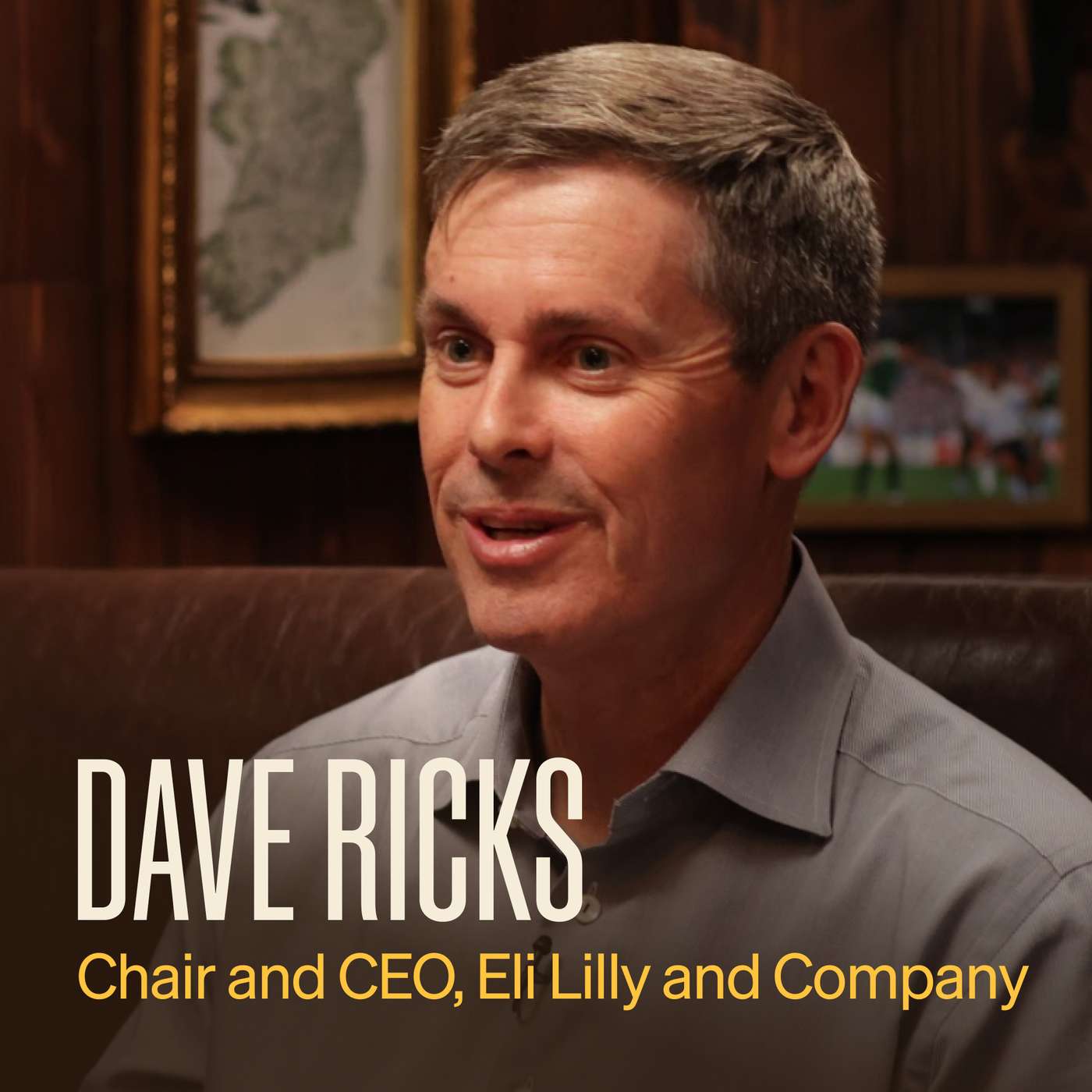
To avoid the pitfalls of scale in R&D, Eli Lilly operates small, focused labs of 300-400 people. These 'internal biotechs' have mission focus and autonomy, while leveraging the parent company's scale for clinical trials and distribution.
In a fast-moving field like cybersecurity, it's impossible to build everything in-house. By treating M&A as an extension of the R&D department, a large company can leverage the venture-backed ecosystem to acquire innovative teams and products that are already validated.
