Get your free personalized podcast brief
We scan new podcasts and send you the top 5 insights daily.
Recent high-profile purges within the PLA are driven by concerns that deep-seated corruption is rendering key systems, like new missile silos, ineffective. This isn't just a political power play; it's a necessary cleanup to ensure the military can actually achieve its ambitious 2027 goals.

Related Insights
The ongoing purges in China's military are likely more than just power consolidation. Bill Bishop suggests Xi Jinping may be intentionally removing entire generations of senior officers who rose by buying their promotions. This radical "decapitation" aims to clear the way for a younger, more meritocratic officer class.

Despite nationalist rhetoric, China is not positioned for external conflict. Decades of corruption have hollowed out its military leadership and incentivized elites to move their capital overseas, making them resistant to any war that would jeopardize their Western assets.

Xi Jinping's sweeping purge of senior military leaders, including those in charge of nuclear and missile forces, has hollowed out the PLA's command structure. This internal instability and lack of experienced leadership strongly suggest that China is not prepared for a major military operation, such as an invasion of Taiwan, in the immediate future.
The 2027 readiness target for a Taiwan invasion was always a 'no earlier than' date. Recent, widespread purges of top military leaders over command and control issues mean the PLA will likely not be ready, pushing the feasible timeline to 2028 or later.

Xi Jinping's widespread anti-corruption purges have hollowed out the People's Liberation Army's top leadership, including heads of its critical missile forces. This internal instability and leadership vacuum strongly suggest that China's military is not prepared for a major, complex operation like an invasion of Taiwan in the near future.

Xi Jinping's widespread purges, aimed at consolidating power and rooting out corruption, have hollowed out the People's Liberation Army's experienced leadership. This creates a significant capabilities gap and operational readiness problem, potentially jeopardizing the military's ability to meet Xi's own 2027 deadline for being capable of invading Taiwan.
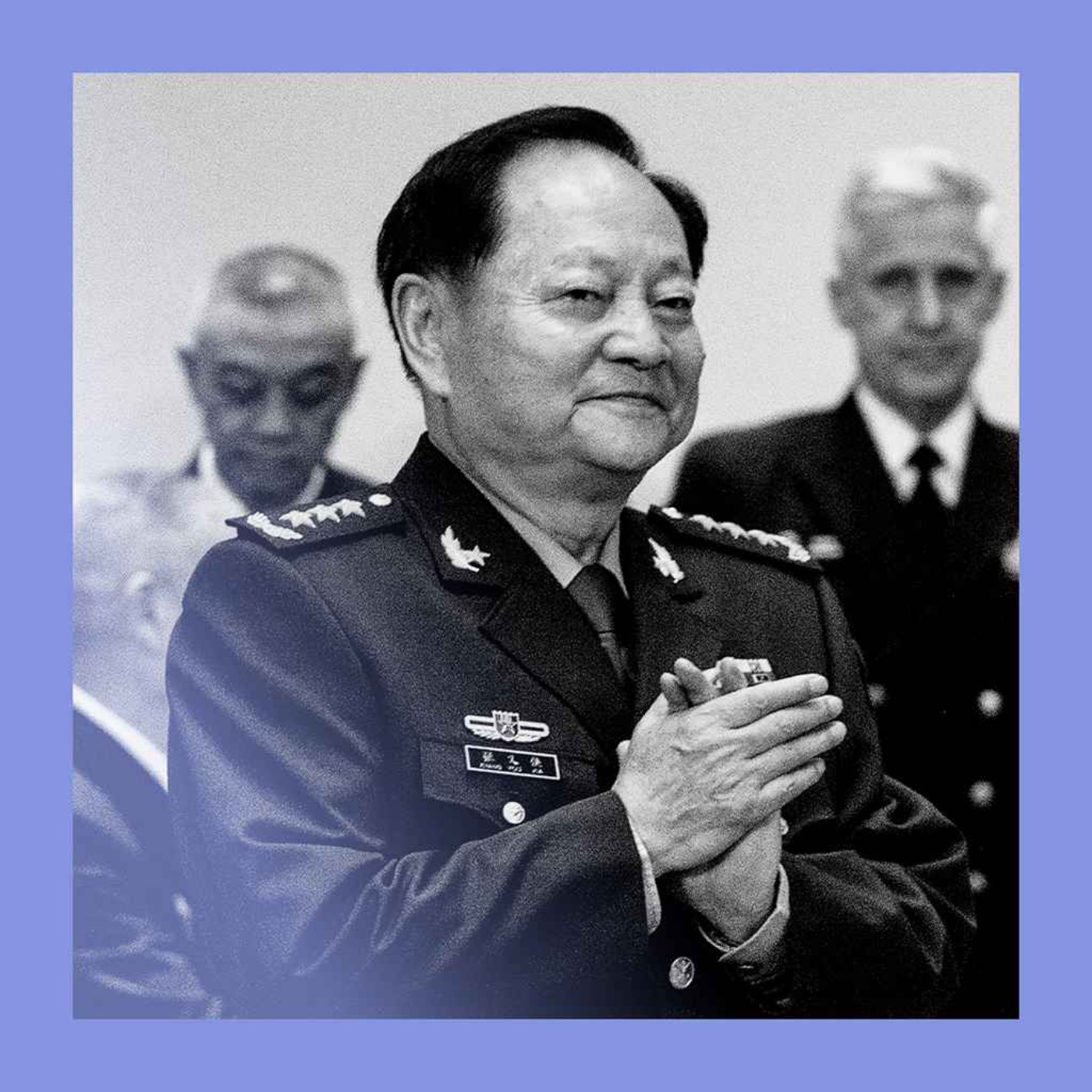
The purge's focus is on generals who "trampled on the chairman responsibility system," indicating a crackdown on challenges to Xi's direct, supreme command over the military, rather than a standard anti-graft campaign.
Xi Jinping's willingness to decapitate his military leadership suggests he feels secure about the external environment. He perceives no immediate crisis over Taiwan, giving him the political space to conduct a thorough and disruptive internal consolidation.
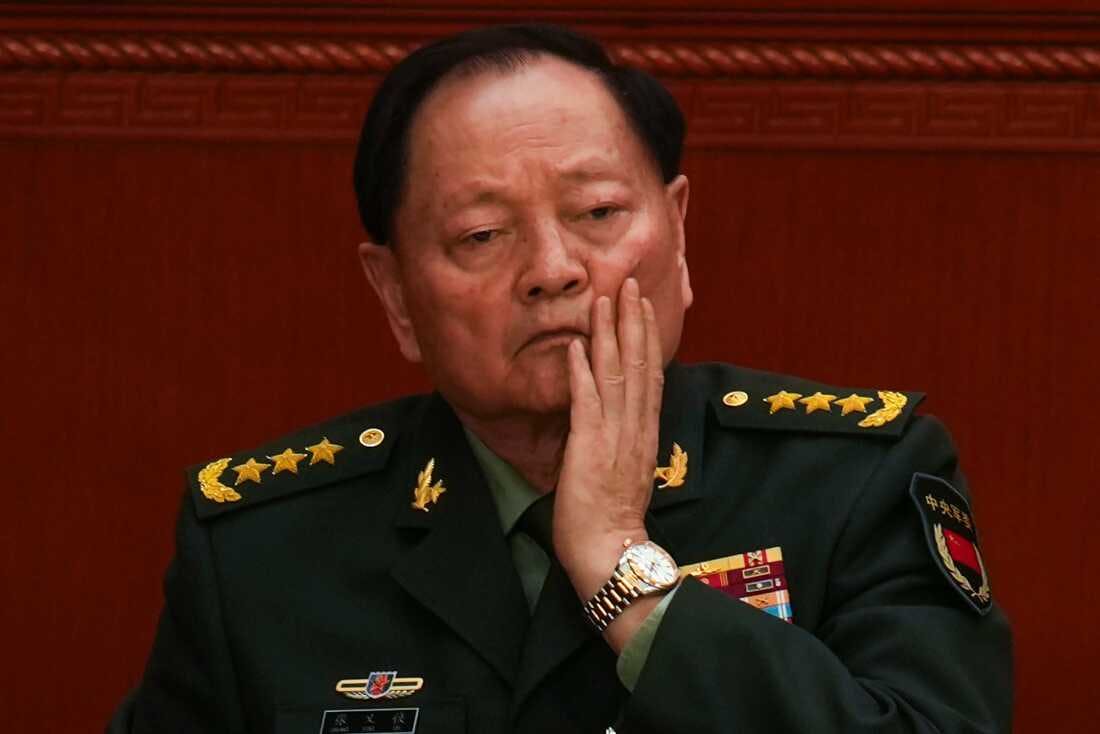
Recent purges in China's military mark a seismic shift as Xi targets his own appointees and longtime allies, not just rival factions. The removal of figures like Zhang Yuxia signals either Xi's ultimate ruthlessness or a potential shift toward paranoia.
Widespread corruption within the PLA means nearly every senior officer has a usable 'dossier.' This provides Xi Jinping with a permanent, justifiable pretext to eliminate anyone for political reasons, with corruption charges acting as the public-facing justification.