Get your free personalized podcast brief
We scan new podcasts and send you the top 5 insights daily.
The latest season of the Israeli thriller 'Fauda', produced after October 7th, departs from its previously more balanced portrayal of Palestinians. By presenting adversaries as less nuanced and more monstrous, the show acts as a cultural mirror, reflecting and explaining the hardening of Israeli public sentiment and the narrowing of empathy driven by national trauma.

Related Insights
Despite the Palestinian conflict being central to Israel's future, politicians are intentionally avoiding it as a campaign topic. They believe voters, traumatized by October 7th, are not ready for a serious discussion, creating a dangerous disconnect between electoral debate and existential reality.
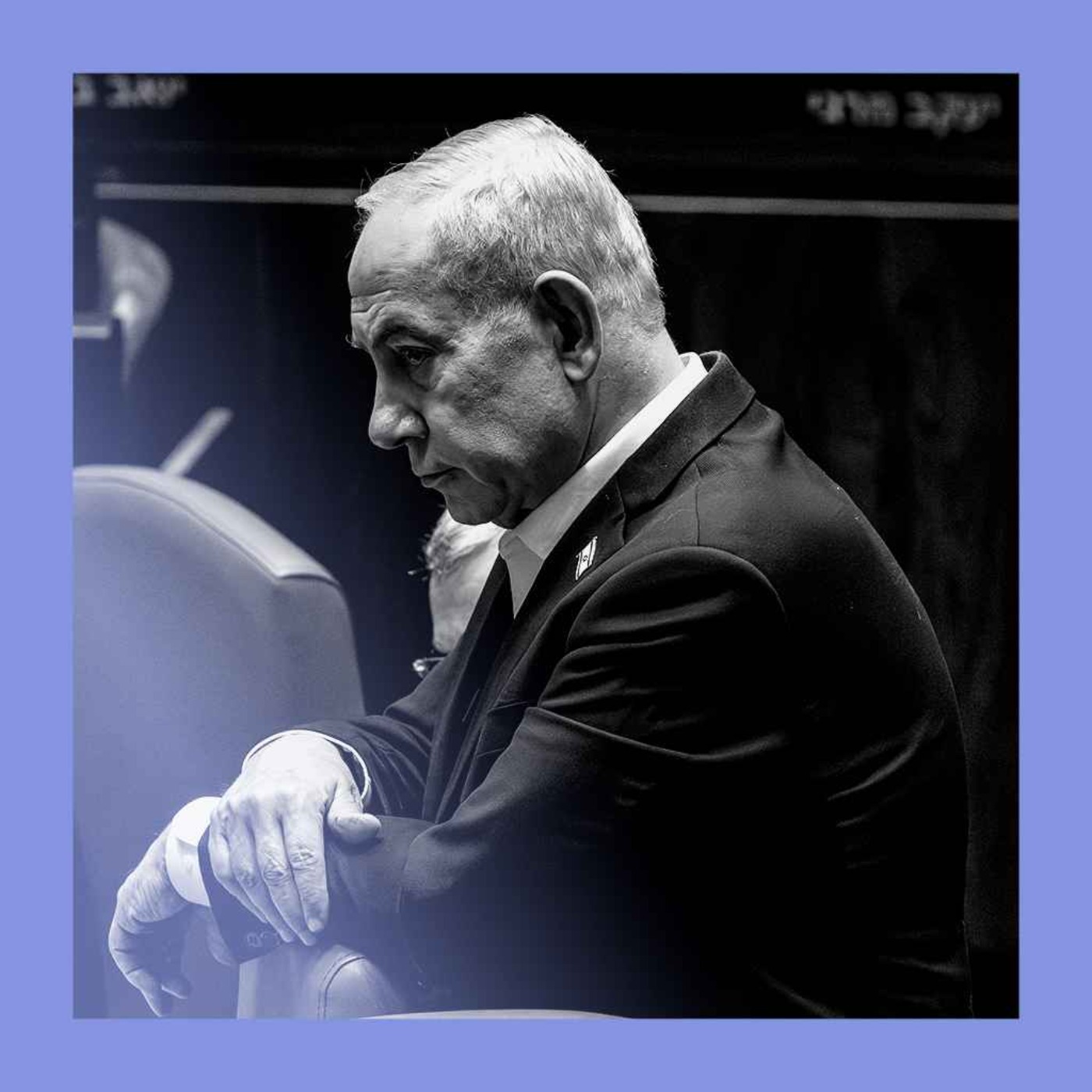
The brutality of the October 7th attacks and the subsequent reaction on Western campuses created a 'phase shift' for many Jews. It shattered a sense of security and complacency that had developed in the West, reawakening a feeling of isolation and geopolitical precariousness for the Jewish people.
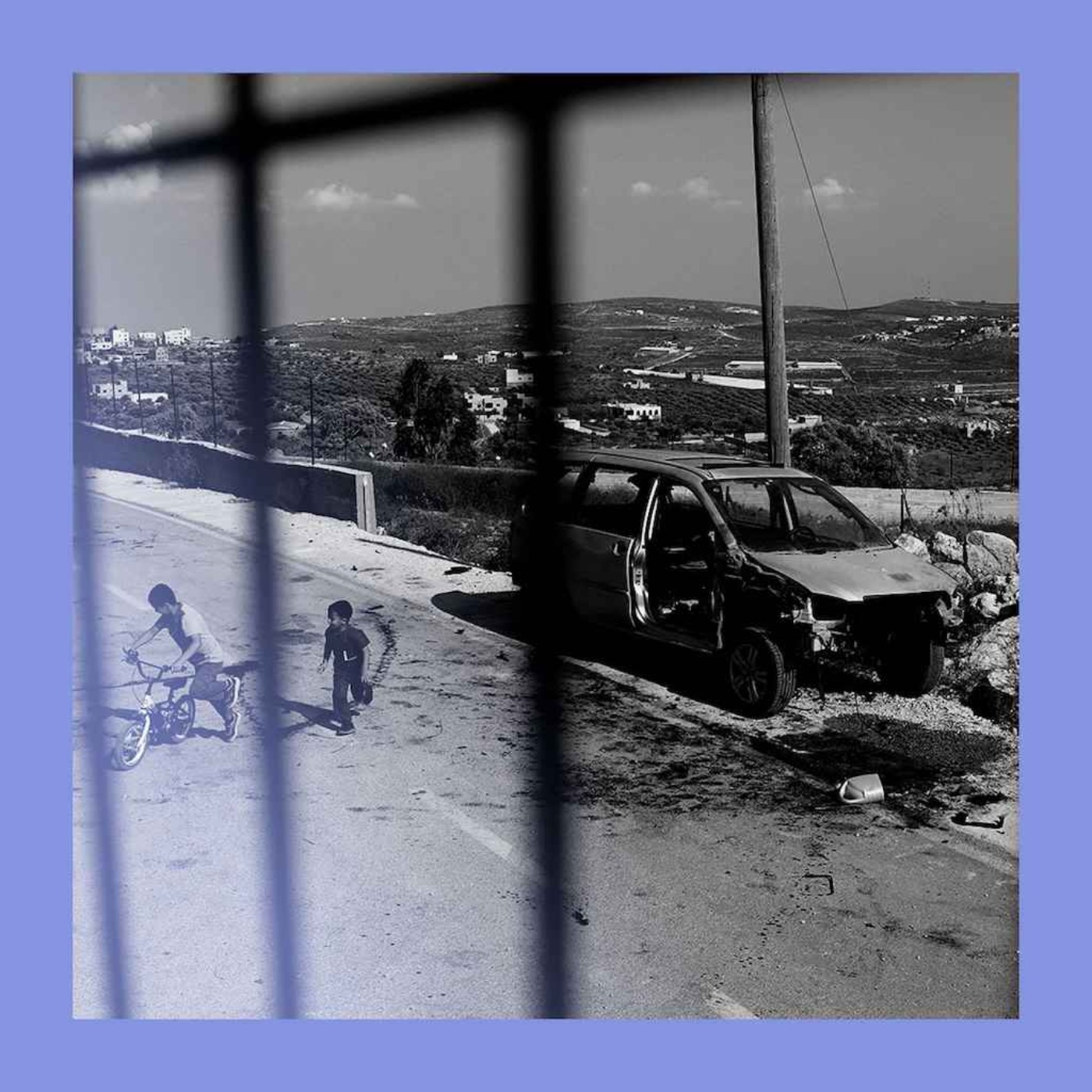
Beyond specific land grabs, the escalating settler attacks may be a deliberate strategy to provoke a full-scale Palestinian uprising. Such a conflict would justify a larger military presence, solidify the occupation, and potentially shift public opinion toward the far-right government before an election.
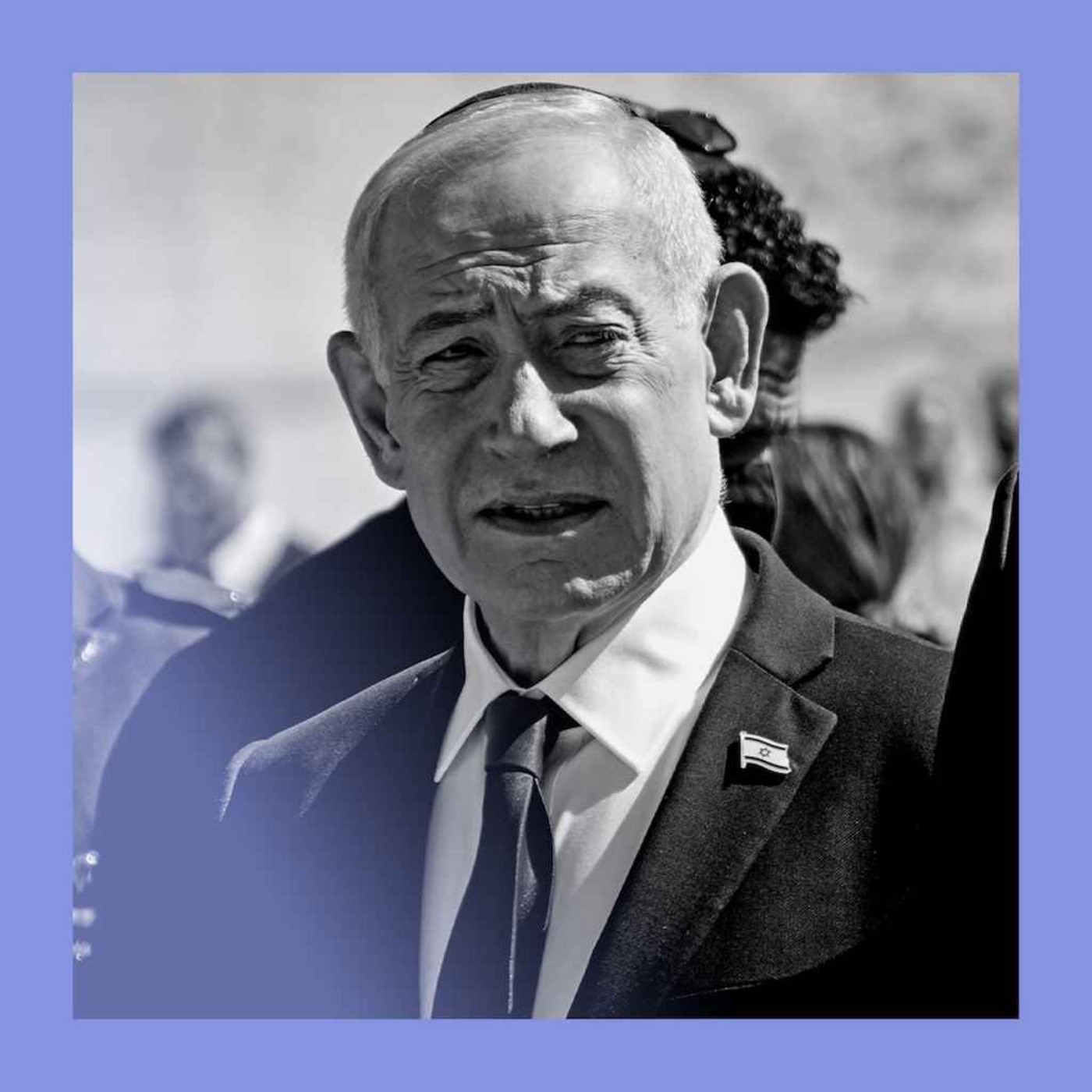
Despite global scrutiny of Israel's actions in Gaza, the upcoming election campaign will be dominated by domestic demands for a reckoning over the intelligence and policy failures that led to the October 7th attack.
Constant exposure to global crises like political polarization causes a 'collective amygdala hijack,' putting society into a chronic defensive state that impairs higher-order thinking and empathy. In this state, we lose nuance, become more prone to tribalism, and are easier to control.

Viewing the conflict as two rational sides in a misunderstanding is flawed. Both sides see the other as an existential threat and are willing to use extreme violence to achieve their goals. This reframes the narrative from a political dispute to a primal, violent tribal conflict where both sides see themselves as righteous.

This concept describes a psychological state where empathy is completely withdrawn from an "out-group." This allows individuals to justify and even celebrate violence against perceived enemies, seeing it not as murder but as a necessary and righteous act in service of their in-group.

In the aftermath of political violence, the targeted group often mirrors the very dehumanizing tactics they condemn. While correctly identifying an attacker's ideology, they risk escalating the conflict by applying labels like 'evil' to the entire opposing side, thus perpetuating the cycle of radicalization that fuels violence.

Despite its Israeli perspective, 'Fauda' has topped Netflix charts in Lebanon and rated highly in other Arab countries. Its popularity suggests that compelling narrative storytelling, centered on universal themes like grief and conflict, can engage audiences across deep political divides more effectively than traditional news or official state diplomacy.
CNN's description of teenage bombers as having their "lives drastically changed" exemplifies narrative manipulation. By centering the story on the perpetrators' experience with empathetic language, it downplays the gravity of their violent acts and subtly shifts the audience's emotional focus away from the crime itself.
