Get your free personalized podcast brief
We scan new podcasts and send you the top 5 insights daily.
SpaceX/xAI structured its deal with coding AI company Cursor as an option to buy for $60B. If the deal falls through, Cursor receives a $10B breakup fee. This win-win structure gives Cursor massive upside or non-dilutive capital, while allowing SpaceX to access a state-of-the-art model without the initial training risk and cost.

Related Insights
The merger between SpaceX and xAI was likely driven by xAI's high cash burn ($1B/month). By absorbing it, the cash-flow positive SpaceX provides a financial lifeline and makes it easier to raise capital for the AI venture under the umbrella of a stronger, more established brand, boosting the combined entity's IPO prospects.

The merger of SpaceX and xAI means that participating in the highly anticipated SpaceX IPO is no longer a pure-play bet on a profitable space company. Investors must now also underwrite Elon Musk's costly and unproven AI venture, a familiar strategy where a cash-flowing business finances a speculative one.

Merging xAI into the profitable and IPO-hyped SpaceX is a clever financial maneuver. It creates a liquidity event for xAI investors at a massive valuation that would have been difficult to achieve in private markets alone, effectively using the strength of one venture to de-risk another and reward faith in 'Elon Inc'.

The merger combines SpaceX's rocketry with XAI's AI development. The official rationale is to build cost-effective, environmentally friendly data centers in space to meet the massive compute demands of future AI, a vision that leverages SpaceX's continually falling launch costs to make space-based supercomputing feasible.

Elon Musk's plan to merge SpaceX with xAI is a strategic move to build a vertically integrated powerhouse. This deal combines SpaceX's physical infrastructure, satellite network, and massive revenue from Starlink with xAI's artificial intelligence ambitions, creating a single entity that controls both the digital and physical layers of a new tech ecosystem.

The merger leverages SpaceX's heavy launch capabilities to deploy space-based data centers for xAI, capitalizing on abundant solar power and the vacuum of space for cooling. This creates a massive competitive advantage by eliminating terrestrial energy and real estate costs.
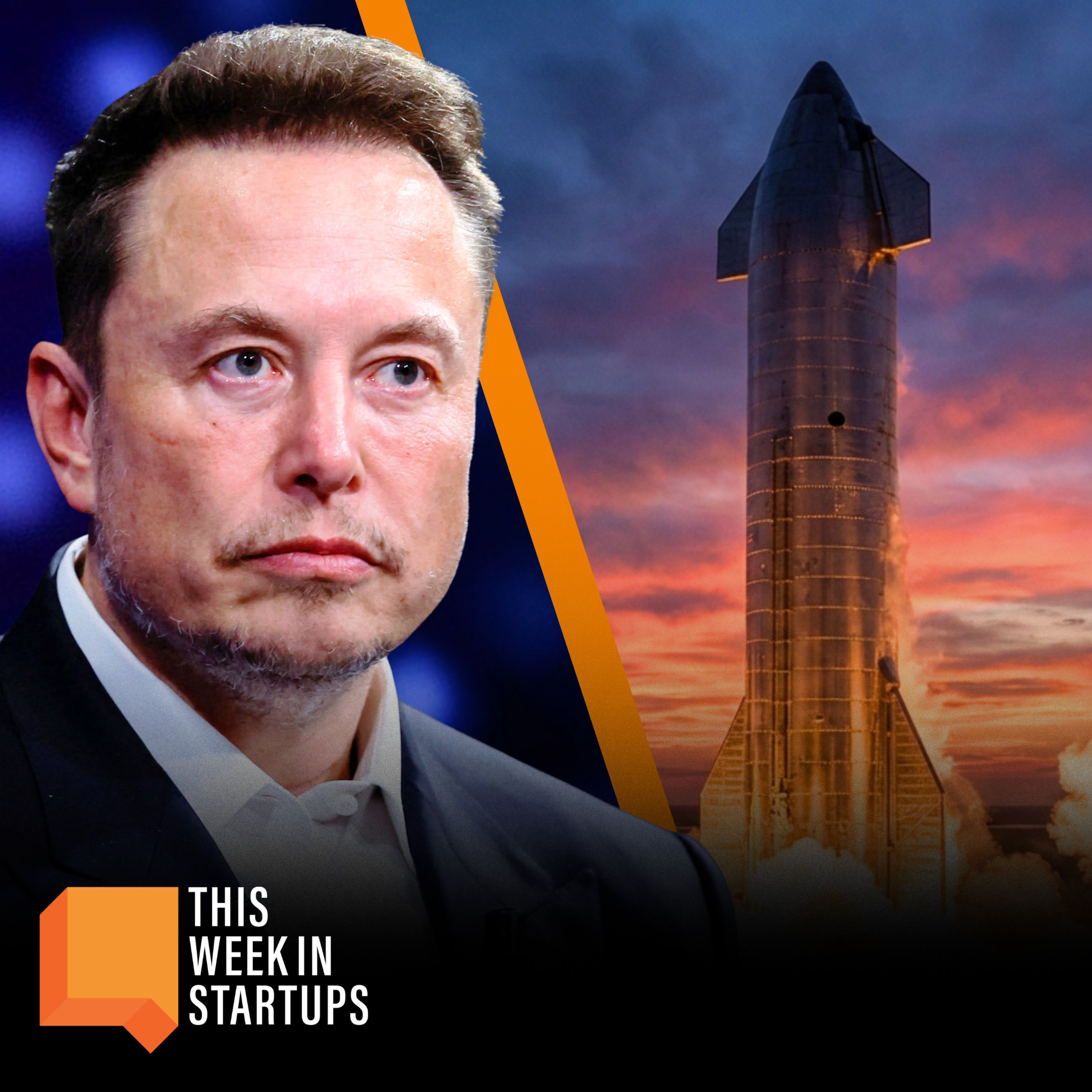
SpaceX's acquisition of xAI funnels capital from a profitable venture into a high-burn AI company. This "sugar daddy" deal uses the promise of SpaceX's profitable rocket business to fund an expensive AI arms race via a massive upcoming IPO, essentially letting xAI hitch a free ride to the public markets.

Announcements of huge, multi-year AI deals with vague terms like "up to X billion" should be seen as strategic options, not definite plans. In a market with unpredictable, explosive growth, companies pay a premium to secure rights to future capacity, which they may or may not fully utilize.

A potential merger between xAI and the IPO-ready SpaceX would allow Elon Musk to take an AI company public far ahead of rivals OpenAI and Anthropic. This move serves as an "end run" around the traditional process, aiming to capture the first-mover advantage and the narrative as the primary public AI investment.

A key rationale for merging SpaceX and Elon Musk's XAI is to fund the development of data centers in orbit. The logic is that space provides free, extreme cooling and unlimited solar energy, solving two of the biggest cost and physical constraints of terrestrial AI infrastructure.
