Get your free personalized podcast brief
We scan new podcasts and send you the top 5 insights daily.
The merger between SpaceX and xAI was likely driven by xAI's high cash burn ($1B/month). By absorbing it, the cash-flow positive SpaceX provides a financial lifeline and makes it easier to raise capital for the AI venture under the umbrella of a stronger, more established brand, boosting the combined entity's IPO prospects.

Related Insights
The merger between X and X.ai was a strategic financial rescue. It propped up the valuation of X (formerly Twitter), saving underwater investments from firms like Fidelity and securing the $13 billion in loans held by banks from the original takeover.

Musk's long-standing resistance to a SpaceX IPO has shifted due to the rise of AI. The massive capital raise is primarily aimed at establishing a network of space-based data centers, a strategic convergence of his space and AI ventures, rather than solely funding Mars colonization.

Merging xAI into the profitable and IPO-hyped SpaceX is a clever financial maneuver. It creates a liquidity event for xAI investors at a massive valuation that would have been difficult to achieve in private markets alone, effectively using the strength of one venture to de-risk another and reward faith in 'Elon Inc'.

Elon Musk's plan to merge SpaceX with xAI is a strategic move to build a vertically integrated powerhouse. This deal combines SpaceX's physical infrastructure, satellite network, and massive revenue from Starlink with xAI's artificial intelligence ambitions, creating a single entity that controls both the digital and physical layers of a new tech ecosystem.

The merger leverages SpaceX's heavy launch capabilities to deploy space-based data centers for xAI, capitalizing on abundant solar power and the vacuum of space for cooling. This creates a massive competitive advantage by eliminating terrestrial energy and real estate costs.
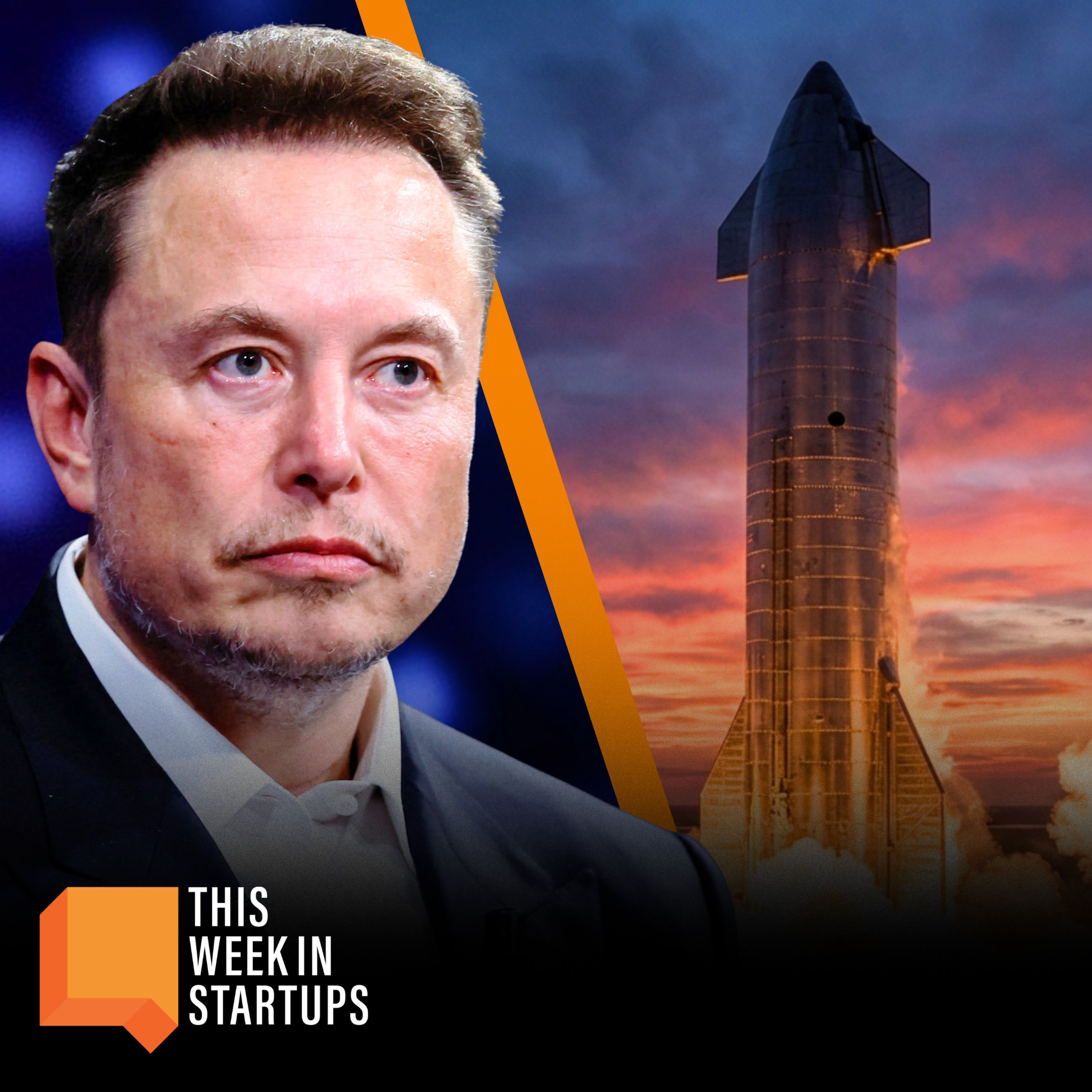
SpaceX's acquisition of xAI funnels capital from a profitable venture into a high-burn AI company. This "sugar daddy" deal uses the promise of SpaceX's profitable rocket business to fund an expensive AI arms race via a massive upcoming IPO, essentially letting xAI hitch a free ride to the public markets.

Despite the grand vision of orbital data centers, many analysts see the merger as financially motivated. They argue it uses SpaceX's substantial profits to cover XAI's significant losses, raising concerns about value dilution for SpaceX investors and the combined entity's extremely high valuation multiples.

The enormous capital required for AI development is exhausting private markets. This forces giants like the combined SpaceX/xAI entity, OpenAI, and Anthropic towards IPOs, marking a shift back to public markets for funding as the sole source for sufficient capital.
A potential merger between xAI and the IPO-ready SpaceX would allow Elon Musk to take an AI company public far ahead of rivals OpenAI and Anthropic. This move serves as an "end run" around the traditional process, aiming to capture the first-mover advantage and the narrative as the primary public AI investment.

By merging xAI (which previously acquired X) into SpaceX, Elon Musk creates a behemoth private company. This strategy rewards investors who backed him across multiple ventures, using the strength and IPO hype of SpaceX to make earlier, riskier bets (like the X take-private) whole, effectively capping the downside.
