Get your free personalized podcast brief
We scan new podcasts and send you the top 5 insights daily.
Promoting an internal CIO allowed Williams to maintain its investment strategy without interruption. This preserved institutional knowledge and avoided the typical 'repointing the ship' phase that comes with external hires, ensuring immediate focus on execution.

Related Insights
Alpine recruits top MBA graduates into a two-year training program where they are mentored by experienced portfolio CEOs. This creates a homegrown, internal pipeline of leaders steeped in the firm's playbook, de-risking future leadership needs and ensuring cultural alignment.

When new leadership arrives, a long-serving executive's value lies in their deep institutional knowledge and cross-functional relationships. They can act as a crucial bridge, helping synthesize diverse perspectives to guide the new team's vision and ensure a smoother transition.

When promoted to CEO internally, your advantage is institutional knowledge, but your disadvantage is a lack of external CEO experience. The key is to be egoless about this gap and proactively construct a leadership team and advisory network with the specific experience you lack.

Sandeep Kulkarni, a co-founder and board member at Zura Bio before becoming CEO, highlights this path's advantage. It avoids the challenges external CEOs face in learning the assets, people, and culture, and prevents the mistake of simply reapplying a generic playbook that may not fit the company's unique situation.

Farallon has managed rare CIO transitions by fostering a culture where leaders view themselves as temporary stewards for LPs, not permanent owners. This "LP-first" philosophy prioritizes long-term returns over individual tenure, making succession a natural part of preserving the firm’s mission.

To protect a distinct and powerful culture at scale, a firm should avoid hiring senior leaders from the outside. Instead, hire talented people earlier in their careers and grow them into the firm's specific ways of operating, ensuring cultural alignment for the most critical roles.

Venture capitalists' common advice to 'up-level the team' with outside executives often overlooks a better option. Parker Conrad argues that promoting homegrown leaders is 'really underrated.' They possess deep institutional knowledge and established trust, which significantly lowers the risk compared to external hires.

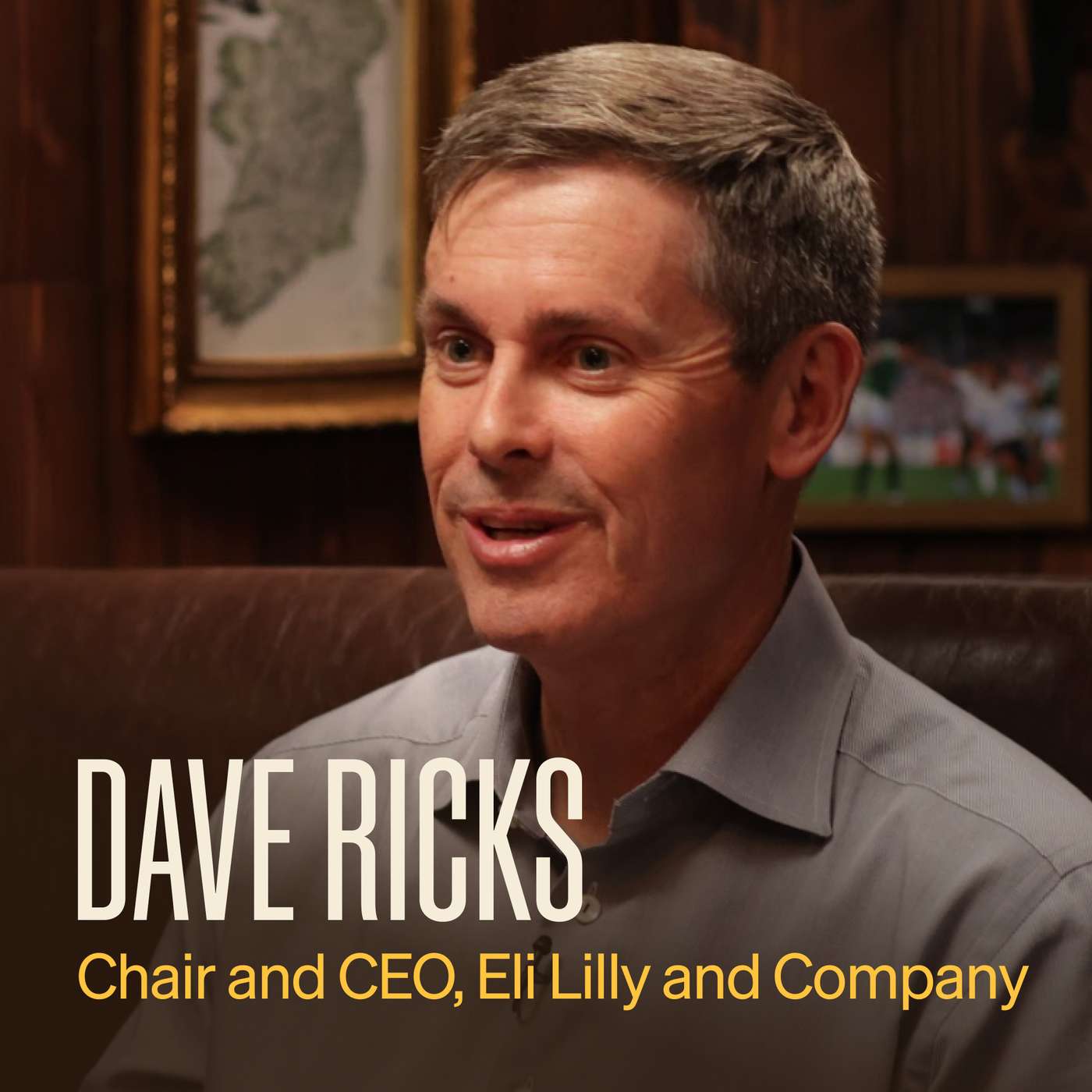
With 150 years of mostly internal CEO succession, Eli Lilly develops leaders who deeply understand the company's culture—its 'unspoken operating system.' This allows them to solve problems effectively without relying on formal committees.
When new managing directors joined Williams, the entire portfolio was re-underwritten to get them up to speed. This process provided a fresh perspective that revealed complacency and outdated narratives, even in areas the CIO had originally built, proving it a powerful tool for self-correction.
The Williams College investment team's strength lies in balancing deep institutional knowledge with fresh external perspectives. Long-tenured members provide historical context, while new hires from other offices introduce new best practices and challenge complacency, preventing stagnation.