Get your free personalized podcast brief
We scan new podcasts and send you the top 5 insights daily.
A significant challenge in pain management is the stigma that patients are "addicts." This misconception, sometimes held by other healthcare providers, creates tension and delays appropriate care. Direct clinical experience helps practitioners develop compassion and overcome these biases.

Related Insights
A primary obstacle preventing community SCLC patients from joining clinical trials is not their unwillingness, but physicians not offering the option due to assumptions about patient interest or eligibility. The first step to improving enrollment is ensuring the conversation happens.

To combat the chronic undertreatment of women's pain, patients should move beyond the abstract 1-10 pain scale. Instead, anchor the feeling to a concrete, relatable experience (e.g., "This hurts more than when I broke my foot" or "stepping on a Lego"). This makes the pain less subjective and harder for providers to dismiss.

Success in treating chronic pain isn't about lowering a subjective 0-10 pain score. The real measure is restoring a patient's functionality—their ability to work, socialize, or walk their dog. A lower pain score is meaningless if the patient is too sedated to function.
Healthcare systems invest heavily in diagnosis but then abandon patients once a prescription is handed over. This "disconnection point" leads to medication non-adherence and confusion, as the patient's actual healing journey is just beginning and requires ongoing support.

Effective chronic pain treatment requires more than a single intervention. The gold standard is a multidisciplinary team—including physicians, pharmacists, physical therapists, and psychologists—working together. However, access to this expensive and resource-intensive model of care remains a major challenge for patients.
The common perception of gout as a diet-related disease is wrong for the vast majority of patients, who cannot excrete enough uric acid. This stigma leads to patient blame and undertreatment, as physicians often prioritize comorbid conditions and lack better options.

While successful in reducing smoking, the aggressive demonization of smoking in public health campaigns created a lasting stigma. As a result, lung cancer patients often face blame and receive less empathy compared to patients with other cancers like breast or colon cancer.

As many as 80% of patients hide information from their doctors due to shame. This can have life-threatening consequences, with documented cases of patients nearly undergoing unnecessary appendectomies to avoid admitting drug use or risking fatal bleeding rather than disclosing the use of weight-loss supplements.
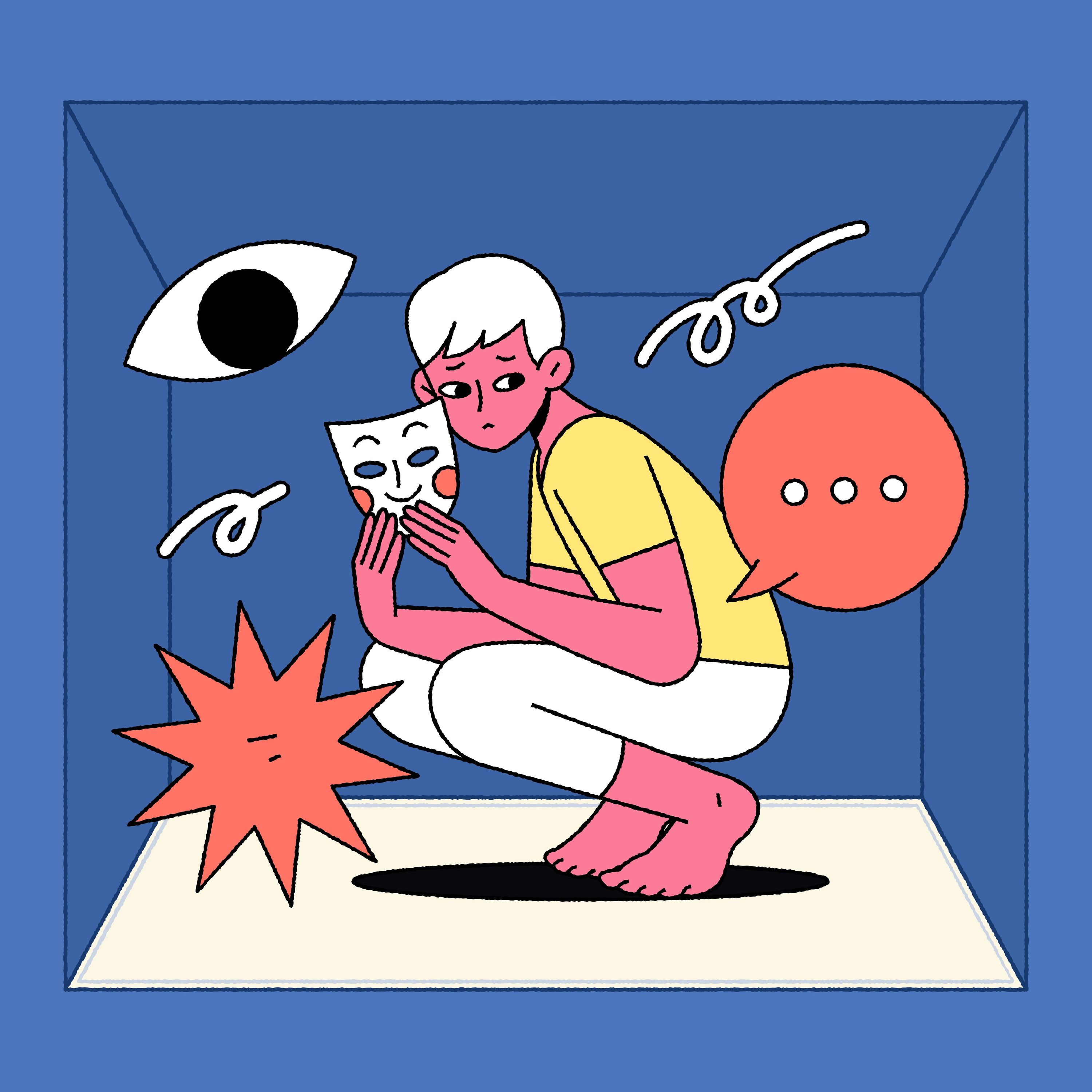
When people with obesity feel judged or have every health concern attributed solely to their weight, they often stop seeking medical help altogether. This avoidance can lead to dangerously delayed diagnoses for serious, unrelated conditions like cancer.
The public, and even family members, often view pharmaceutical roles through the simplistic and negative lens of sales. This perception gap is a primary communication challenge for Medical Science Liaisons (MSLs), who must first educate others on their scientific, non-promotional function before their value can be understood.