Get your free personalized podcast brief
We scan new podcasts and send you the top 5 insights daily.
The DESTINY-Breast11 trial demonstrated superior pCR rates using neoadjuvant T-DXd followed by THP, but Dr. Nadine Tung cautions against treating all patients with maximally intensive therapy. Because two-thirds of ER-negative patients already achieve pCR with just four cycles of THP, universal escalation causes overtreatment. Instead, clinicians should reserve intensive antibody-drug conjugate regimens for patients with high tumor burden or unfavorable biology.

Related Insights
For lower-risk Stage 2/3 HER2+ breast cancer, clinicians can start with THP, assess response via MRI, and only then proceed to TDXD if necessary. This risk-stratified approach to the DESTINY-Breast11 regimen can spare some patients the unique toxicities of TDXD.

The clinical strategy of 'saving' the most effective drugs for later lines of therapy may be flawed. Data indicates that 20-30% of patients with metastatic breast cancer do not go on to receive a subsequent line of treatment after progression, arguing for the use of optimal therapies like ADCs earlier in the disease course.

Due to cumulative toxicity concerns with TDXD, particularly ILD, clinicians express more comfort with the shorter 4-cycle neoadjuvant course from DESTINY-Breast11 than the prolonged 14-cycle adjuvant therapy in DESTINY-Breast05, favoring front-loading the treatment.

The DESTINY-Breast11 trial showed a neoadjuvant regimen of TDXD followed by THP achieved a 67.3% pathologic complete response (pCR) rate in high-risk HER2+ breast cancer. This is the highest pCR rate seen in a registrational trial, signaling a potential new standard of care.
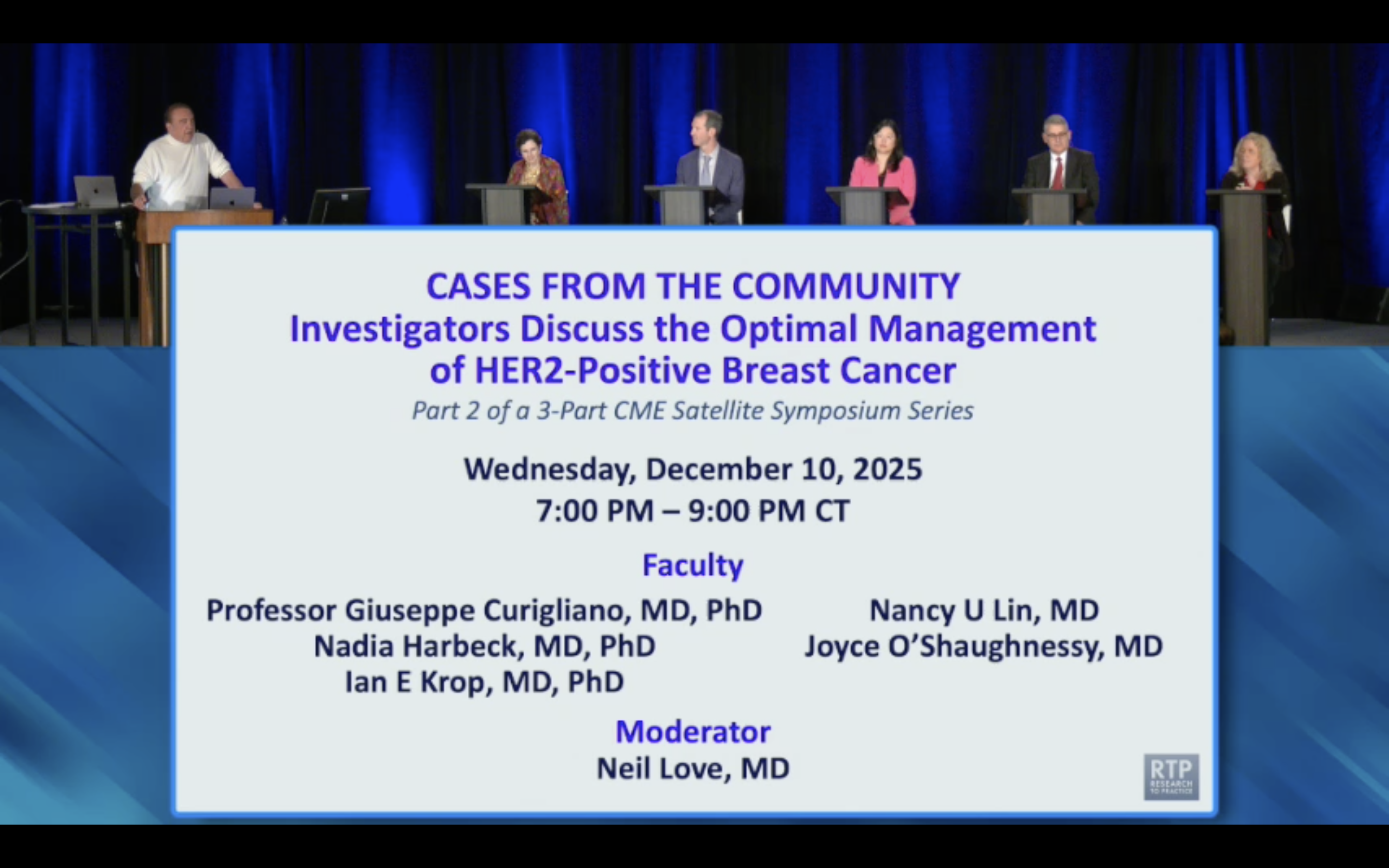
DESTINY-Breast09 data shows that complete responses with TDXD+pertuzumab can take 8-10 months to develop. This suggests the regimen is not just a short induction strategy and may offer the greatest benefit for durable remission in lower-burden patients, countering the instinct to de-escalate.

In metastatic breast cancer, approximately one-third of patients are unable to proceed to a second line of therapy due to disease progression or declining performance status. This high attrition rate argues for using the most effective agents, such as ADCs, in the first-line setting.
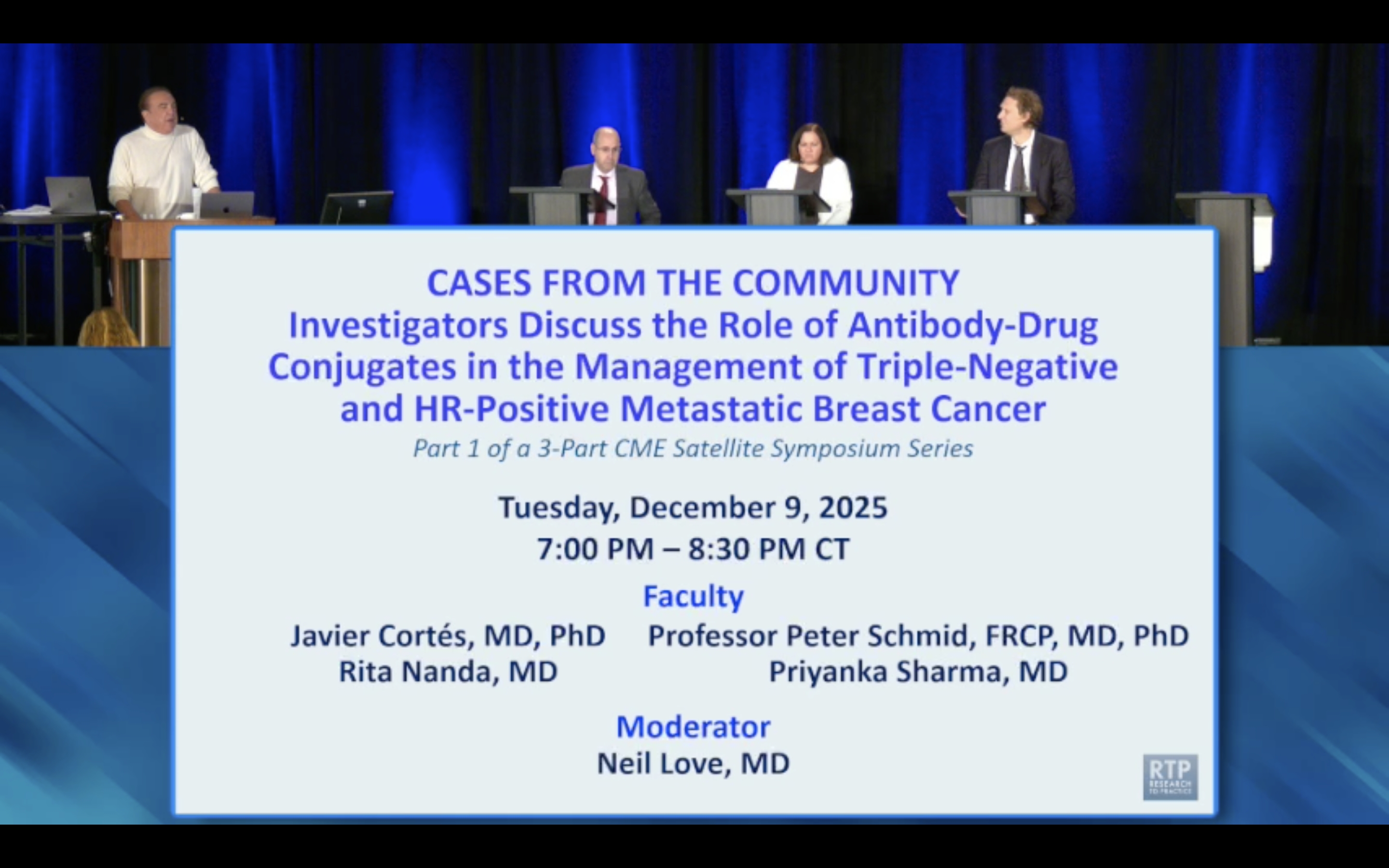
A subtle finding in the DESTINY-Breast11 trial, where TDXD alone underperformed TDXD followed by THP, suggests that taxane-based chemotherapy might remain effective even after a patient's HER2-positive cancer becomes resistant to the antibody-drug conjugate TDXD.
As multiple effective Antibody-Drug Conjugates (ADCs) become available, the primary clinical challenge is no longer *if* they work, but *how* to use them best. Key unanswered questions involve optimal sequencing, dosing for treatment versus maintenance, and overall length of therapy, mirroring issues already seen in breast cancer.
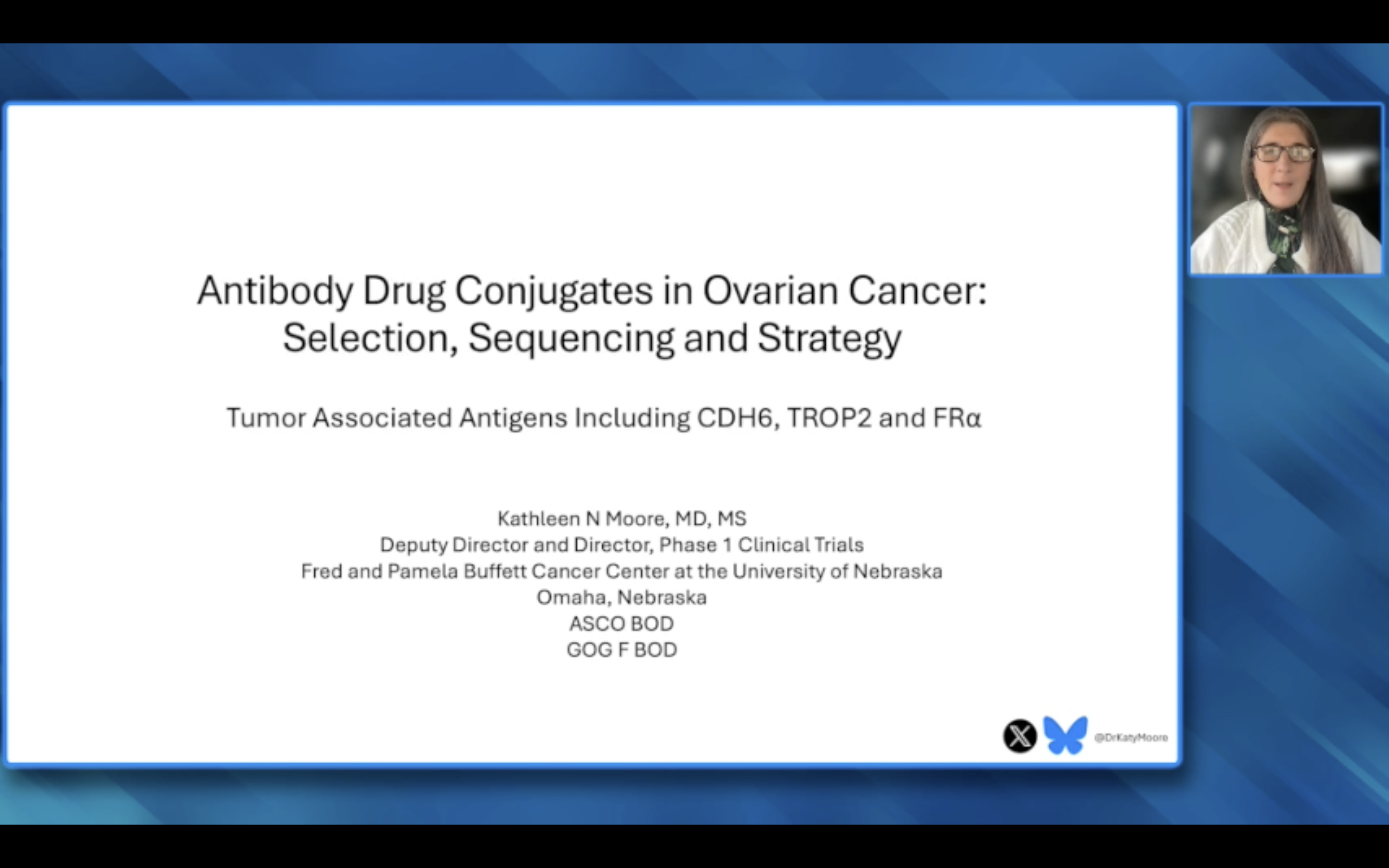
Testing antibody-drug conjugate (ADC) and immunotherapy combinations in the neoadjuvant setting is strategically superior because an intact tumor's antigen load enhances T-cell priming and immunotherapy efficacy, an advantage lost in the post-surgery adjuvant setting.

A key debate in early HER2+ breast cancer is whether to use TDXD neoadjuvantly (DESTINY-Breast11) or reserve it for post-op residual disease (DESTINY-Breast05). Many experts favor the neoadjuvant approach to maximize the chance of a pathologic complete response (pCR), which allows for surgical de-escalation and is associated with better outcomes.