Get your free personalized podcast brief
We scan new podcasts and send you the top 5 insights daily.
A 'spoiler' candidate is not defined by party, but as someone with no chance of winning who dictates the outcome by siphoning votes. This perspective argues such candidates have a civic duty to withdraw from the race.

Related Insights
The most significant threat to a political ideology comes not from the opposing party, but from the 'lunatics' on its own side. These extreme factions can make the entire group appear foolish and unreasonable, doing more damage to their credibility than any opponent ever could.
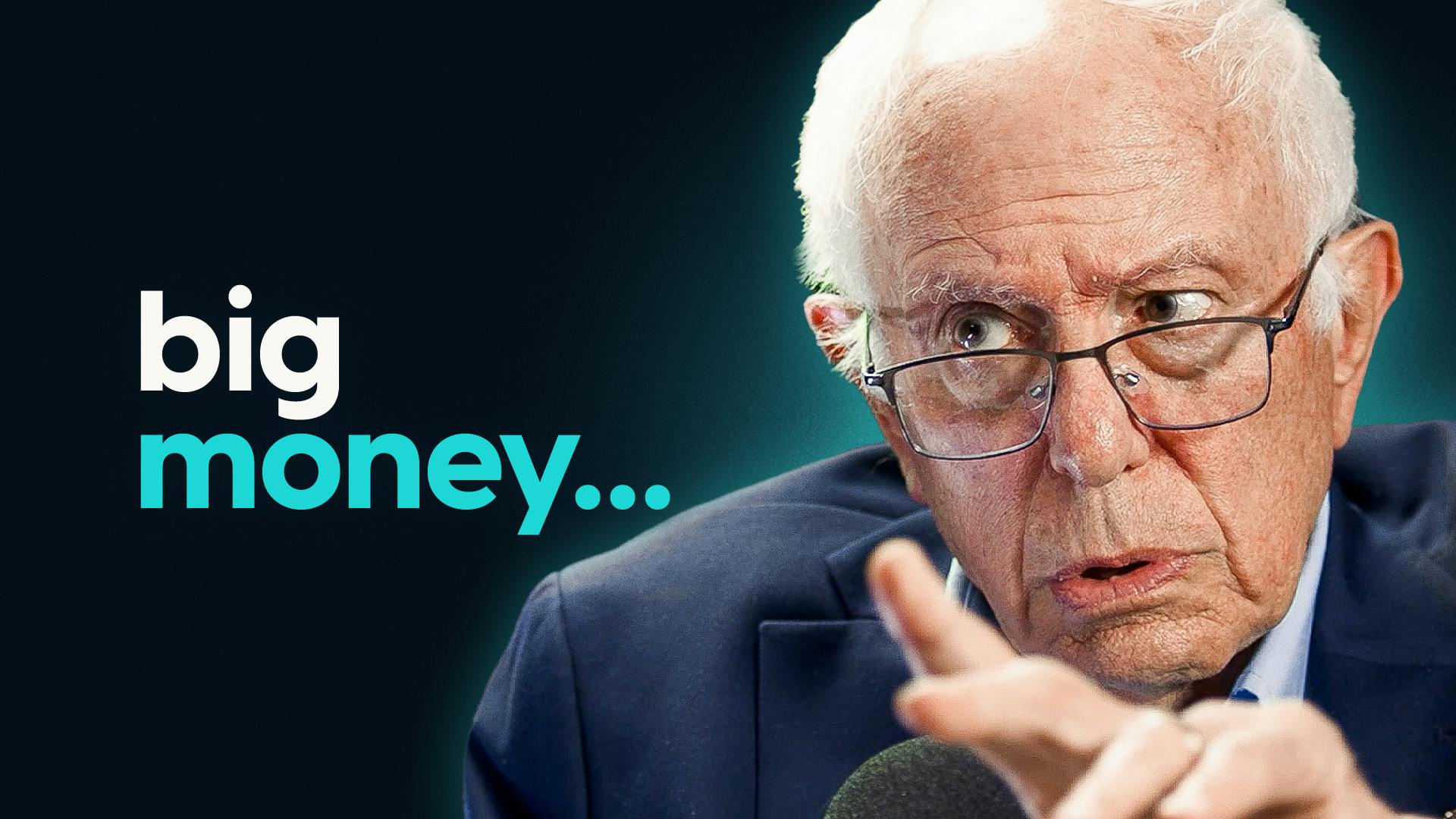
The appeal of a populist leader lies in their rejection of traditional political norms. When the electorate feels betrayed by the established "political class," they gravitate toward figures whose rhetoric is a deliberate and stark contrast, signaling they are an outsider.

A savvy political strategy involves forcing opponents to publicly address the most extreme statements from their ideological allies. This creates an impossible purity test. No answer is good enough for the fringe, and any attempt to placate them alienates the mainstream, effectively creating a schism that benefits the opposing party.

Seemingly irrational political decisions can be understood by applying a simple filter: politicians will say or do whatever they believe is necessary to get reelected. This framework decodes behavior better than assuming action is based on principle or for the public good.

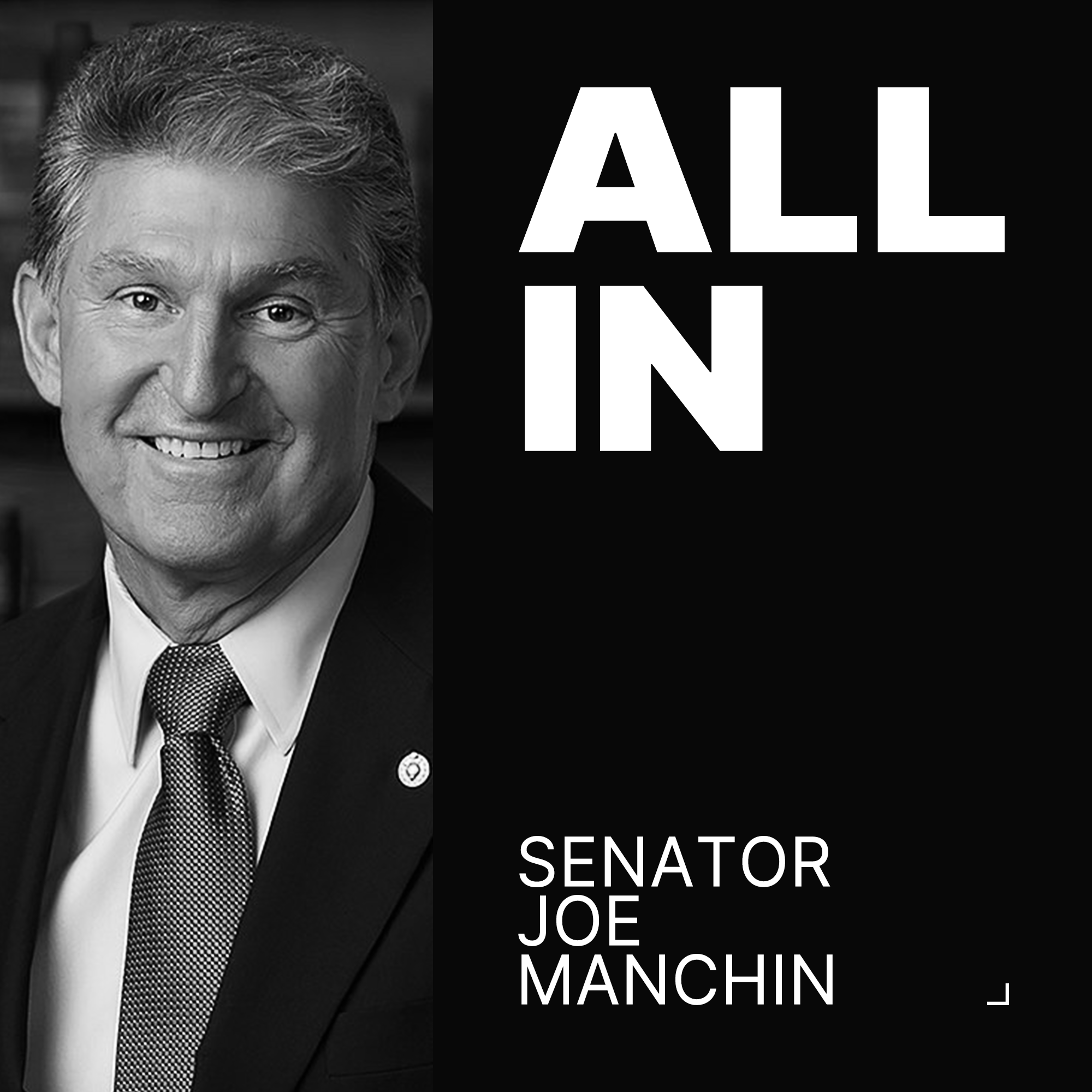
Manchin argues that closed primary systems, controlled by the two major parties, disenfranchise the largest bloc of American voters: independents. He suggests this restriction on participation could be legally challenged under the Voting Rights Act to open up the candidate selection process.
With over 90% of congressional districts being non-competitive, the primary election is often the only one that matters. Buttigieg argues this incentivizes candidates to appeal only to their party's extreme flank, with no need to build broader consensus for a general election.
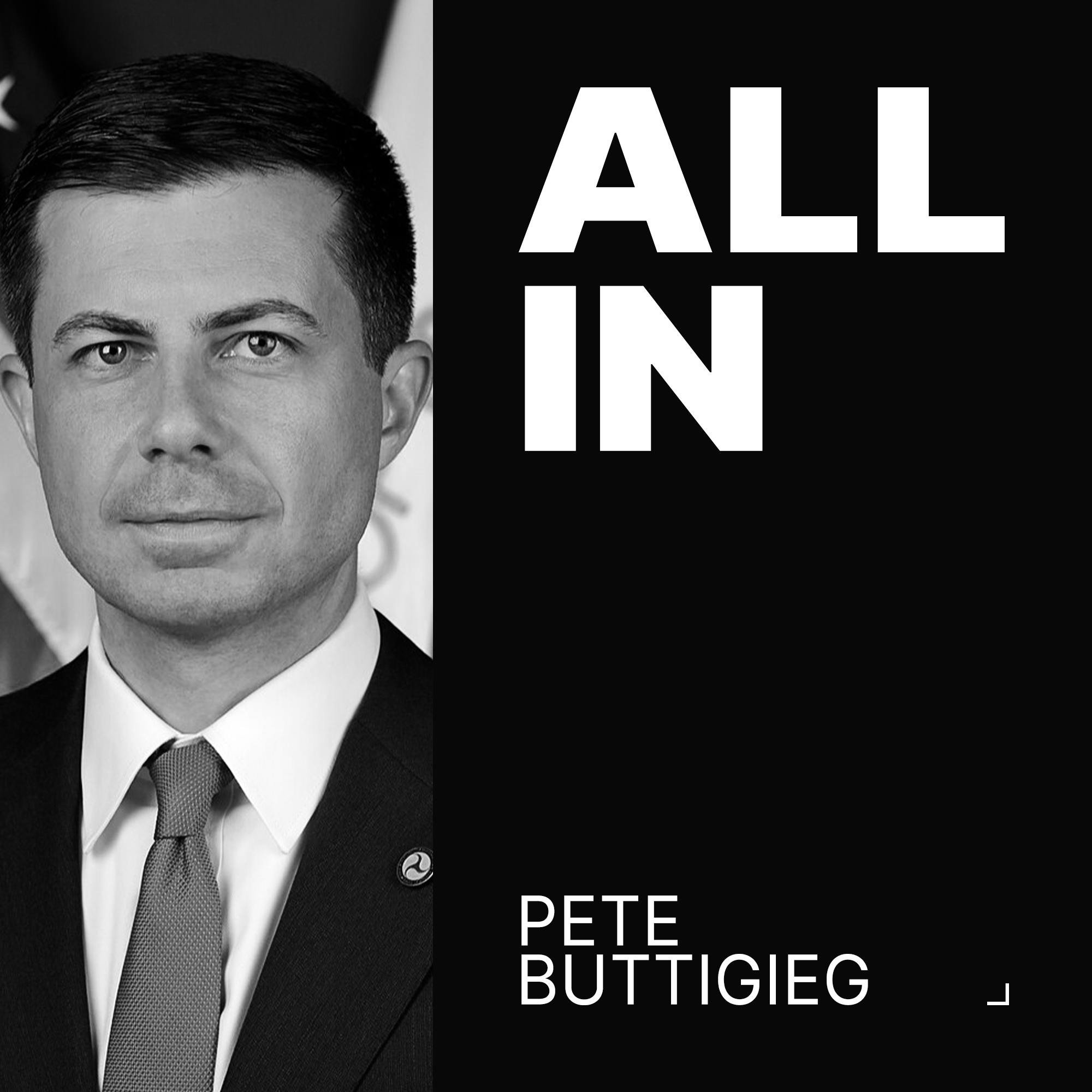
Buttigieg suggests that crowning Kamala Harris as the nominee without a competitive primary was a strategic error. He argues that a primary process, while messy, sharpens candidates and strengthens them for the general election. By avoiding this test, the party may have fielded a weaker nominee.
The conventional wisdom that moderate candidates are more electable is a myth. Elections are won by turnout, not by appealing to the median voter. A polarizing figure who excites their base will often win by a larger margin than a moderate who fails to generate enthusiasm.

Curtis Sliwa reveals a direct bribery attempt by billionaires offering him $10 million in cash to drop out of the New York City mayoral race. This highlights the extreme, often criminal, lengths to which wealthy interests will go to influence even local political outcomes and silence populist candidates.
The best political outcomes emerge when an opposing party acts as a 'red team,' rigorously challenging policy ideas. When one side abandons substantive policy debate, the entire system's ability to solve complex problems degrades because ideas are no longer pressure-tested against honest opposition.
