Get your free personalized podcast brief
We scan new podcasts and send you the top 5 insights daily.
Dr. Holman argues the autonomic nervous system is an overlooked therapeutic target with vast potential. By modulating this system, innovators can address root causes of not just autoimmune disorders but also cancer, cardiovascular disease, and diabetes. He calls this emerging field "immunoautonomics."

Related Insights
Functions we consider involuntary, like heart rate, immune response, and body temperature, can be consciously influenced. By controlling the breath, we can directly tap into the autonomic nervous system, enabling us to shift between a 'fight or flight' state and a 'rest and digest' state to manage stress and improve health.

Dr. Levin reframes cancer as a cognitive problem where the bioelectric "glue" binding cells into a collective fails. Cells lose their large-scale purpose and revert to an ancient, single-cell state. Restoring this electrical communication can normalize tumors without killing the cells, presenting a non-destructive therapeutic approach.

Dr. Holman, from a family of lawyers, applies a legal mindset to medicine. He views medical challenges not as settled facts to be memorized, but as complex cases full of unknowns and room for debate. This approach enabled him to identify the overlooked link between the stress response and autoimmune disease.
The industry's focus on antibodies, which are easy to generate, may be a case of technology dictating the science. Dr. Radvanyi argues that natural ligand-receptor interactions, which often rely on lower affinity and higher avidity, could offer a more nuanced and effective way to modulate immune pathways than high-affinity agonist antibodies.

Instead of targeting individual gene mutations in diseases like ALS, condensate science focuses on shared cellular structures where genetic risks converge. This approach creates a broader therapeutic target, potentially treating more patients with diverse genetic profiles.

The current boom in immunology and autoimmune (I&I) therapeutics is not a separate phenomenon but a direct consequence of capital and knowledge from immuno-oncology. Many of the same biological pathways are being targeted, simply modulated down (for autoimmune) instead of up (for cancer), allowing for rapid therapeutic advancement and platform reuse.

While complex gene editing may be challenging in vivo, Colonia's platform presents a novel opportunity: targeting different immune cell types (e.g., T-cells and NK cells) with distinct payloads in a single treatment. This could create synergistic, multi-pronged attacks on tumors, a paradigm distinct from current ex vivo methods which focus on engineering a single cell type.
Despite significant progress in managing symptoms for autoimmune conditions, very few treatments fundamentally alter the disease's course. The major unmet needs and investment opportunities lie in therapies that can induce remission or target common underlying pathologies like fibrosis, moving beyond mere symptom relief.
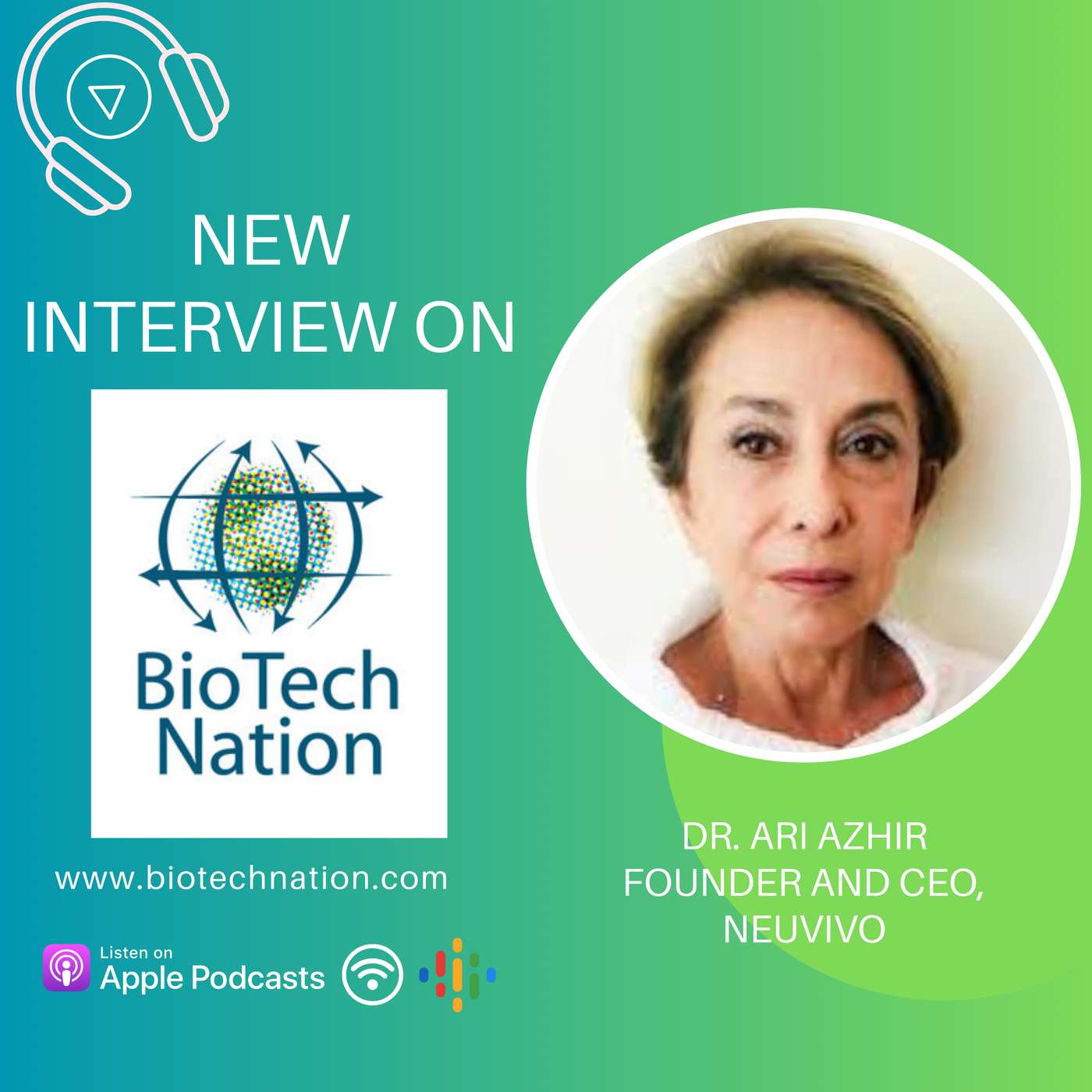
Diverging from typical approaches that focus on damaged neurons, Neuvivo's drug addresses ALS as an immune system disorder. By supplying a molecule the immune system is missing, it helps regulate the system, allowing the body to recover from the attacks that cause neurodegeneration.
Dr. Radvanyi explains that immune agonist drugs often fail because accelerating a biological pathway is inherently less controllable than inhibiting one. This is analogous to genetic knockouts being more straightforward than over-expression models, presenting a core challenge in drug development beyond just finding the right target.