Get your free personalized podcast brief
We scan new podcasts and send you the top 5 insights daily.
Diverging from typical approaches that focus on damaged neurons, Neuvivo's drug addresses ALS as an immune system disorder. By supplying a molecule the immune system is missing, it helps regulate the system, allowing the body to recover from the attacks that cause neurodegeneration.
Related Insights
Voyager CEO Al Sandrock outlines a focused strategy: remain specialists in neurology, but broaden the therapeutic modalities (gene therapy, proteins, oligonucleotides). This allows them to pursue well-validated CNS targets that are considered "undruggable" by traditional small molecules, which have historically been the only option for crossing the blood-brain barrier.

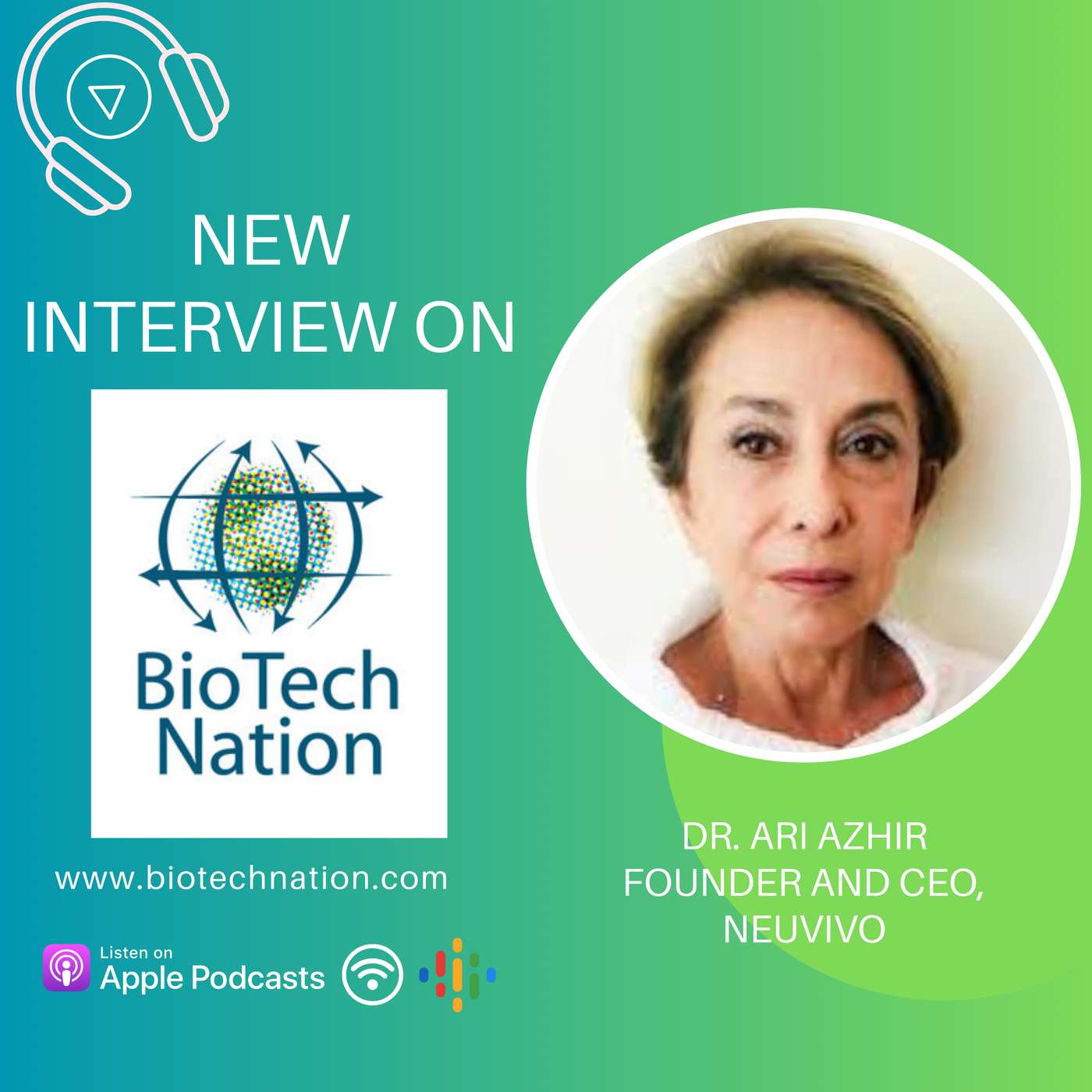
When a promising ALS drug failed Phase 2 trials, the company shut down. The drug's original founder, Dr. Ari Azhir, still believed in the science, repurchased the asset and all its data, and ultimately uncovered its true potential, leading to a new FDA application.
Recognizing that severe myotonic dystrophy involves CNS impairment, Arthex deliberately invested in a lipid conjugation delivery system for its RNA therapeutic. This strategic choice was made specifically to cross the blood-brain barrier, enabling the treatment of both muscular and neurological symptoms of the disease.
The drug exhibits a multimodal mechanism. It not only reverses chemoresistance and halts tumor growth but also 'turns cold tumors hot' by forcing cancer cells to display markers that make them visible to the immune system. This dual action of direct attack and immune activation creates a powerful synergistic effect.

Instead of targeting the DMPK gene like competitors, Arthex's ATXO1 targets miR23B. This indirectly increases MBNL protein levels to compensate for sequestration while also destabilizing the toxic DMPK foci. This dual mechanism addresses both the downstream protein deficiency and the upstream genetic cause of the disease.
The current boom in immunology and autoimmune (I&I) therapeutics is not a separate phenomenon but a direct consequence of capital and knowledge from immuno-oncology. Many of the same biological pathways are being targeted, simply modulated down (for autoimmune) instead of up (for cancer), allowing for rapid therapeutic advancement and platform reuse.

While complex gene editing may be challenging in vivo, Colonia's platform presents a novel opportunity: targeting different immune cell types (e.g., T-cells and NK cells) with distinct payloads in a single treatment. This could create synergistic, multi-pronged attacks on tumors, a paradigm distinct from current ex vivo methods which focus on engineering a single cell type.
Despite significant progress in managing symptoms for autoimmune conditions, very few treatments fundamentally alter the disease's course. The major unmet needs and investment opportunities lie in therapies that can induce remission or target common underlying pathologies like fibrosis, moving beyond mere symptom relief.
Re-analysis revealed the drug's efficacy was concentrated in patients 65 and younger, extending survival by 17.1 months. This effect was missed in the original trials because it was diluted by the non-responsive older population, whose declined immune systems could not fully engage with the treatment.
Voyager CEO Al Sandrock explains their AAV capsids are engineered to be so potent at crossing the blood-brain barrier that doses can be an order of magnitude lower than standard. Crucially, the capsids are also designed to *avoid* the liver, directly addressing the toxicity issues that have plagued the field.