Get your free personalized podcast brief
We scan new podcasts and send you the top 5 insights daily.
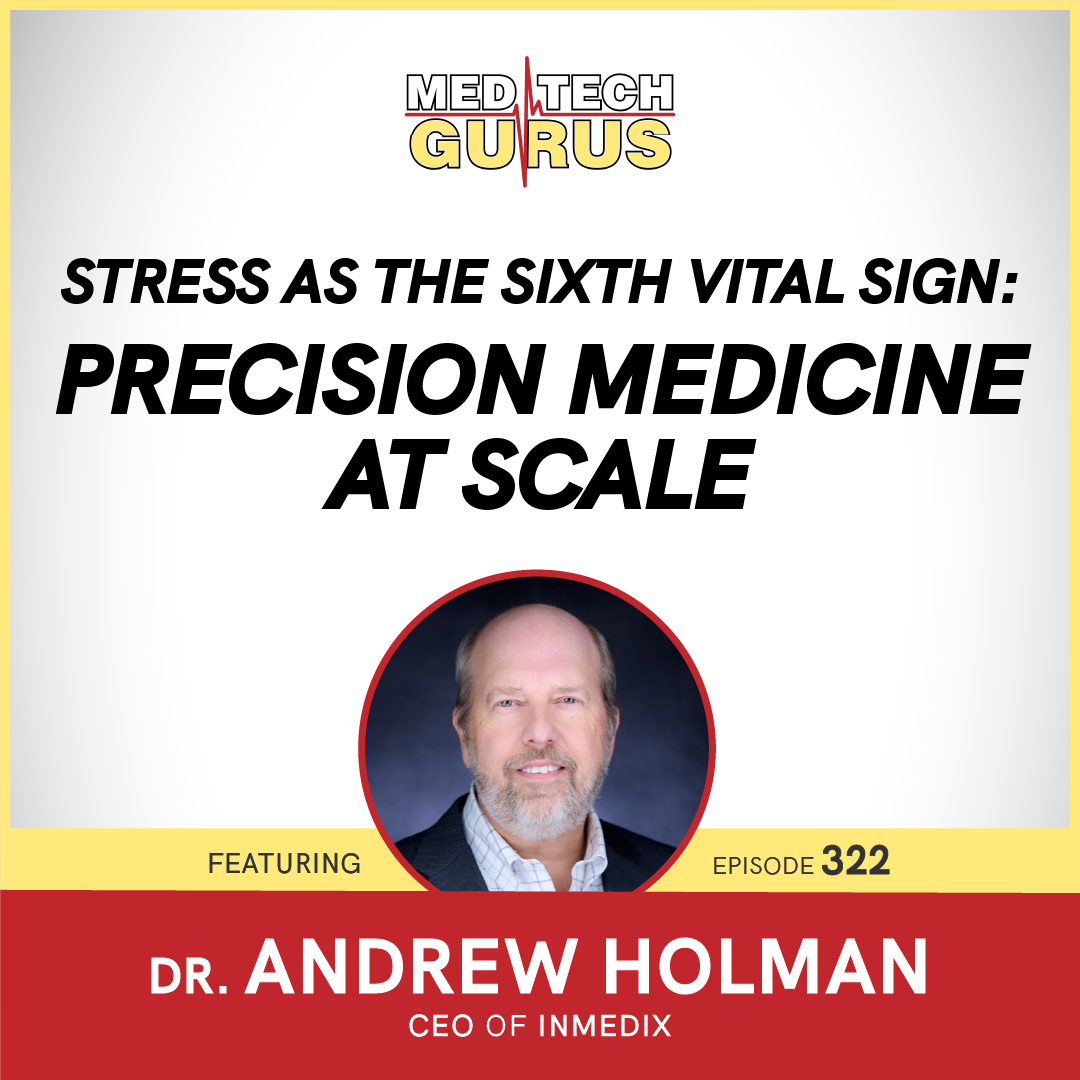
Dr. Holman, from a family of lawyers, applies a legal mindset to medicine. He views medical challenges not as settled facts to be memorized, but as complex cases full of unknowns and room for debate. This approach enabled him to identify the overlooked link between the stress response and autoimmune disease.
Related Insights
Creative solutions often emerge from those not deeply entrenched in a problem. Using the analogy of medical 'grand rounds'—where doctors from unrelated fields consult on a difficult case—Chopra suggests that non-experts can 'think outside the box' precisely because they aren't confined by conventional knowledge.

Dr. Bahija Jallal's lifelong pursuit of scientific understanding originated from a childhood tragedy. The death of her father due to a medical error fueled her persistent "why" questions, transforming a desire for answers into a mission to develop better medicines for patients.

Dr. Holman started his company at 55, driven by decades of watching patients suffer from autoimmune diseases. This deep-seated motivation to solve a problem he knew intimately fostered a long-term, validation-focused approach centered on finding "proof points," a contrast to the faster, exit-oriented mindset of many younger founders.
The speaker faced two simultaneous crises: his son's cancer and a basement flood. AI was able to bridge the knowledge gap between oncology (immunosuppression risks) and mold remediation (air quality management), providing a synthesized, actionable plan that no single human expert could realistically offer.

Dr. Bolsiewicz reframes major depression not as a purely psychological issue, but as a physiological condition rooted in inflammation. He states with "total clarity" that depression, along with neurodegenerative diseases like Alzheimer's and Parkinson's, is a manifestation of chronic inflammation affecting the brain.

Medicine excels at following standardized algorithms for acute issues like heart attacks but struggles with complex, multifactorial illnesses that lack a clear diagnostic path. This systemic design, not just individual doctors, is why complex patients often feel lost.

A physician with decades of experience observes that a patient's innate belief in their own ability to heal is a critical factor in recovery. Those who do not believe they can get better almost never do, as the stress of negative thinking actively fights their own physiology.
Dr. Holman argues the autonomic nervous system is an overlooked therapeutic target with vast potential. By modulating this system, innovators can address root causes of not just autoimmune disorders but also cancer, cardiovascular disease, and diabetes. He calls this emerging field "immunoautonomics."
The most impactful medical advances come from 'clinical scientists' who both see patients and work in the lab. This dual perspective provides a deep understanding of disease mechanisms and how to translate research into treatments, a model that Dr. Abelson believes is now under threat due to economic pressures.
Dr. Levin argues that aging, cancer, and regeneration are not separate problems but downstream effects of one fundamental issue: the cognition of cell groups. He suggests that mastering communication with these cellular collectives to direct their goals could solve all these major medical challenges as a side effect.
