Get your free personalized podcast brief
We scan new podcasts and send you the top 5 insights daily.
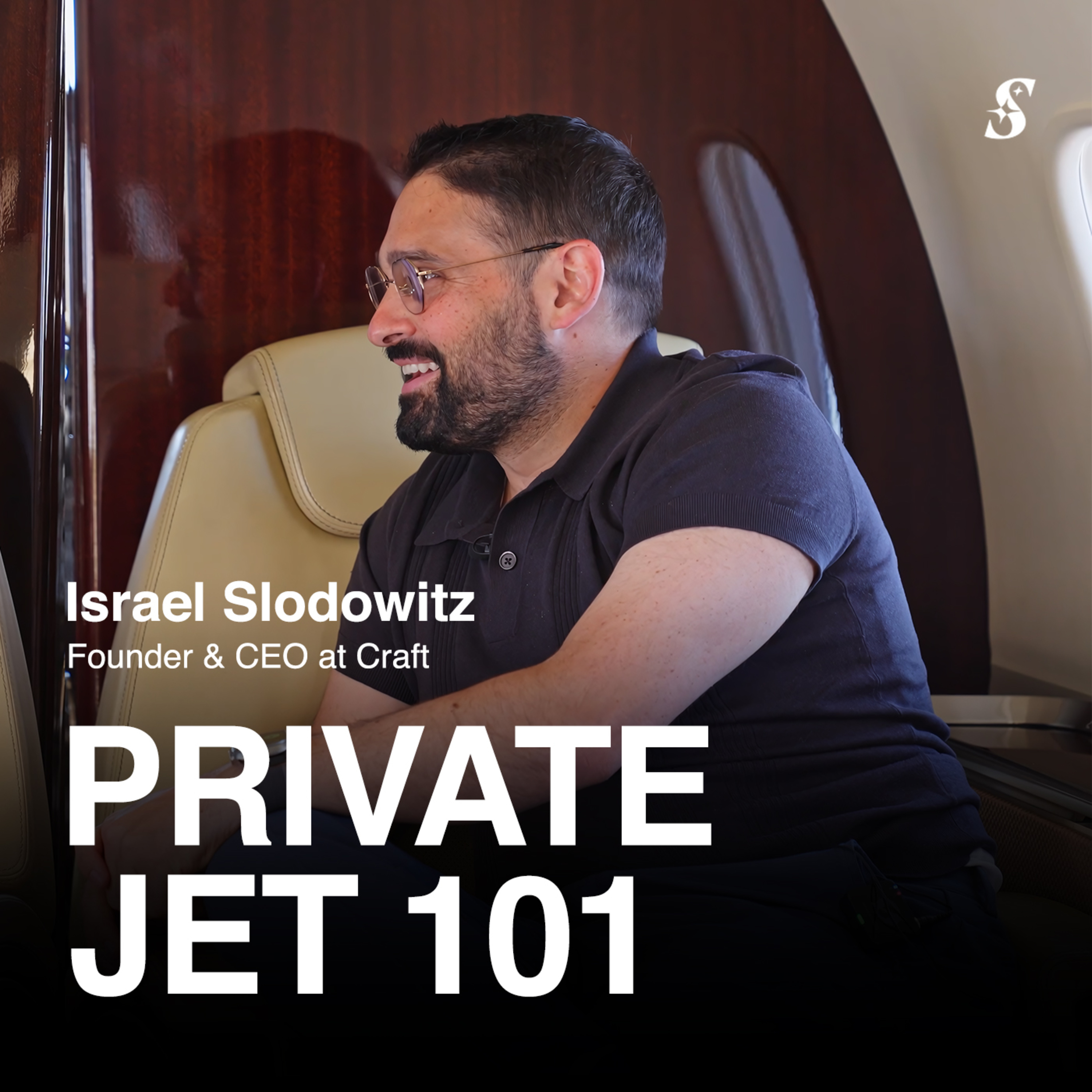
Fixed-Base Operators (FBOs), increasingly owned by private equity, have a monopoly on airport ramp space. To boost profits, they are introducing exorbitant "event fees" for non-events like graduations, catching charter customers with surprise bills that can be tens of thousands of dollars.
Related Insights
First-time buyers often underestimate the total cost of ownership. Beyond the initial purchase, annual expenses for pilots, hangar space, insurance, maintenance, and fuel can easily reach $2 to $4 million, making the purchase price just the entry ticket to a much larger financial commitment.
Top-tier universities with AAA credit ratings, able to borrow at 4%, are entertaining private equity deals with effective rates over 15%. This isn't a smart financial strategy; it's a sign of a system-wide crisis where leaders mortgage their future for short-term survival.
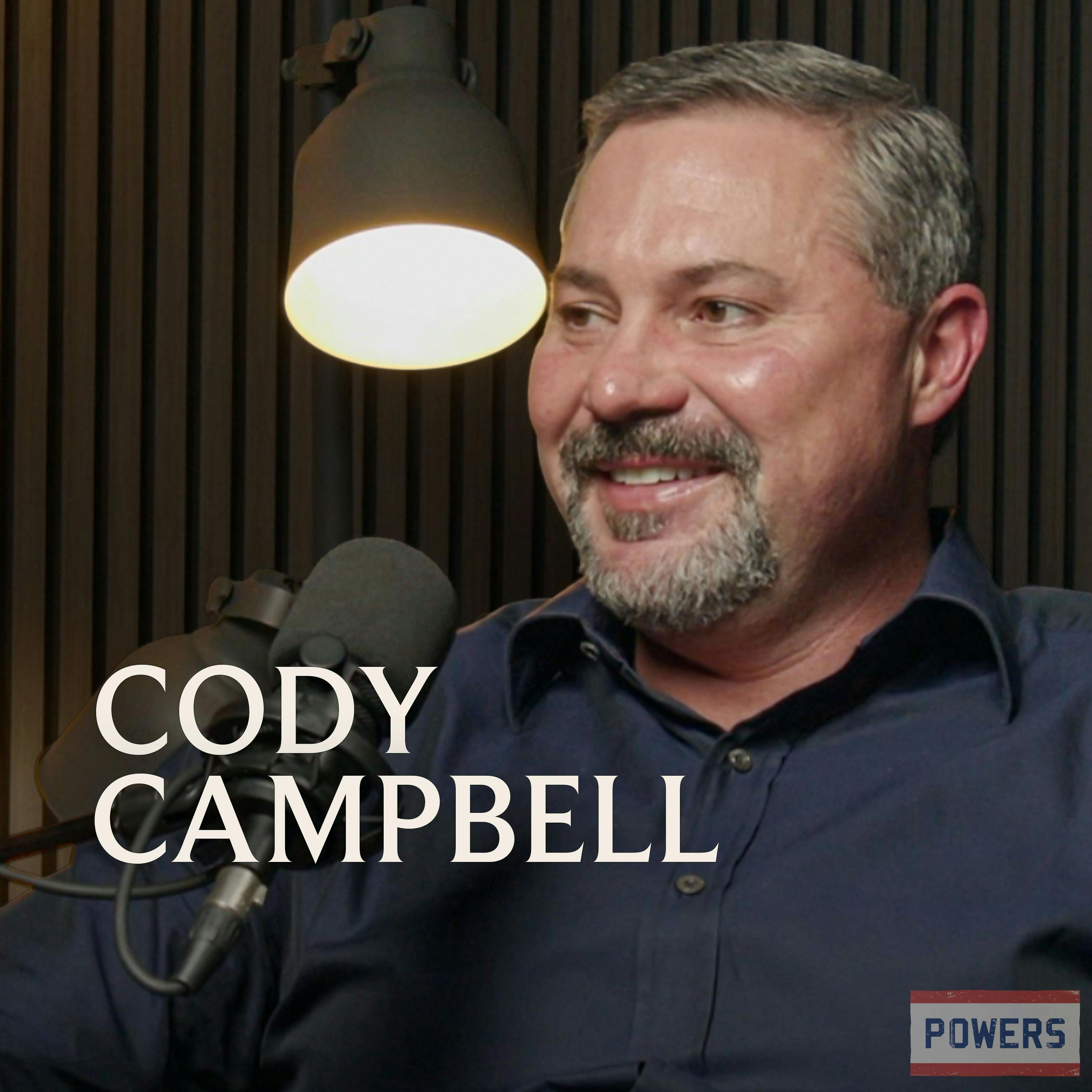
The business model for major conferences involves massive upfront fixed costs just to operate. Profitability only begins after this high threshold is met, at which point each additional ticket sold is almost pure profit. This makes the business high-risk and unattractive for small-scale events.

The fractional ownership model is growing fastest because it offers the benefits of private flight without the operational headaches of whole ownership. Customers pay fixed fees and avoid surprise costs, an appealing proposition even for those who could afford their own plane but prefer simplicity.

Top universities operate like luxury brands such as LVMH by creating artificial scarcity, rejecting the vast majority of applicants. This strategy boosts their perceived value, allowing them to charge exorbitant tuition at incredibly high margins, effectively transferring wealth from middle-class families to university endowments, faculty, and administrators.

Airlines have massive fixed costs and low variable costs, but the leverage is capped by the number of seats. This creates intense pressure to sell the last seat at any price, crushing industry-wide pricing power and creating a situation with big downside and limited upside.

The industry's infrastructure—from manufacturing to pilot training—is not built to scale. A tiny increase in demand from new wealth creates massive bottlenecks, causing pilot shortages and, for the first time ever, making depreciating assets like jets increase in value.
Vail's historically high single-day lift ticket prices, which have risen three times faster than inflation, are not actually designed to be purchased. This 'ski-flation' is a deliberate strategy to make the day pass so unappealing that customers are driven toward buying the more profitable season pass instead.

Consolidating private aviation companies is incredibly difficult due to FAA regulations. Moving an aircraft from one operator's certificate to another requires a costly, multi-year process of re-training pilots and re-certifying planes, even if nothing operationally changes for the same owner and aircraft.
To secure a strategic foothold in the critical Los Angeles market, eVTOL company Archer Aviation purchased the Hawthorne private airport for ~$170 million. This gives them a base near LAX and SoFi Stadium, bordering Elon Musk's companies like SpaceX, creating a hub for the future of transportation.
