Get your free personalized podcast brief
We scan new podcasts and send you the top 5 insights daily.
Transforming occasional novelty sweets into frequent snack choices requires identifying the exact sugar threshold that grants consumers dietary permission. Tara Bosch notes that finding this tipping point allows treats like marshmallows or gummies to be enjoyed daily without lingering consumer guilt.

Related Insights
Shoppers often approach indulgent categories with "healthy goggles," initially seeking better-for-you items. By leading with low-fat or healthy options at the front of an aisle, retailers can increase engagement and foot traffic. Once in the aisle, a significant number of these shoppers then "trade up" to the full-fat versions they originally planned to avoid.

Data from wearables and health trackers is creating a direct feedback loop that shapes consumer purchasing. This fuels demand for products focused on hydration, lower sugar, and protein, while eroding the market for indulgent food and beverage categories.

Eating sugar on an empty stomach causes a rapid glucose spike. Consuming the same sweet treat after a meal containing fiber, protein, and fat slows the glucose absorption, significantly reducing the spike and preventing the subsequent craving roller coaster.

Hershey's direct consumer research reveals that GLP-1 users don't eliminate treats. Instead, they feel a new sense of freedom and confidence, enjoying smaller, portion-controlled versions of their favorite snacks without guilt, which is a resilient behavior for the category.

Consuming fats or fiber with sugary foods slows the rise in blood glucose. A less dramatic glucose spike results in a weaker signal to the brain's reward circuits, reducing the dopamine release that drives the cycle of craving.

Sugar cravings are driven by both the conscious perception of sweet taste and a separate, subconscious neural pathway from the gut that detects a food's ability to raise blood glucose, reinforcing the desire for more.
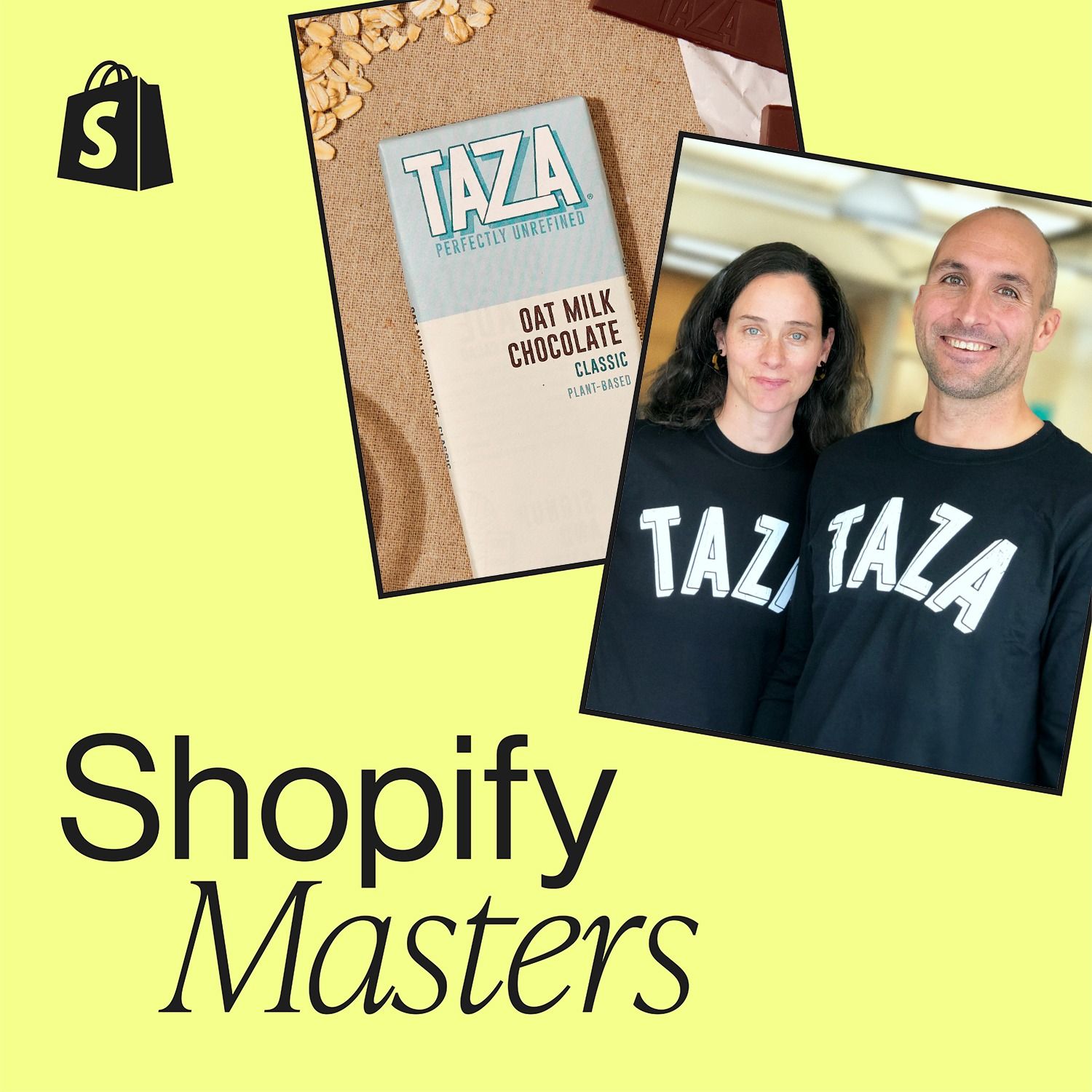
Taza resisted the huge trend of sugar-free chocolate because they couldn't create a version that met their high flavor standards. By refusing to compromise their core product principles, they maintained brand integrity, which was validated when consumer preference swung back to "real" ingredients.
While the founder focused on the "low sugar" aspect, a key buyer at Whole Foods recognized the rising "keto" trend was a more powerful market signal. Changing the packaging to highlight "keto friendly" allowed the brand to tap into a massive consumer movement, driving sales.
The success of "Zero Sugar" sodas over "Diet" sodas, despite being nearly identical products, reveals a generational shift in values. Younger consumers reject the restrictive connotations of "dieting" and embrace the positive, wellness-focused language of "zero," which aligns with a lifestyle of health optimization.

Dopamine released from consuming sugar activates the brain's reward pathway. This circuit doesn't create satiety; instead, it generates a state of motivation and craving, compelling you to seek more of the sweet substance.