Get your free personalized podcast brief
We scan new podcasts and send you the top 5 insights daily.
While live shopping in China is a mass-market channel for everyday items, its US success, shown by Whatnot's decacorn valuation, stems from targeting niche, high-passion communities like trading card and sports memorabilia collectors.
Related Insights
The vast majority of Whatnot's users watch streams for an average of 80 minutes a day without making a purchase. This behavior proves that Whatnot is fundamentally an entertainment and community platform, not just a transactional marketplace. The content and parasocial relationships are the core product, with commerce layered on top.

You don't need expensive, mainstream IP. A more effective and affordable strategy is to 'play on the edges' by partnering with emerging influencers, niche athletes (e.g., high school stars), or retired legends. Their IP is accessible and targets a passionate, underserved fan base, creating high-value collectibles.

For individuals looking to generate income online, one of the most significant and underutilized opportunities is live social shopping on platforms like Whatnot and TikTok Shop. This format combines entertainment with e-commerce, allowing for direct monetization. It's particularly effective for those skilled at selling and can be started by flipping items from thrift stores or garage sales.
Successful collectibles investing goes beyond an asset's intrinsic value or a player's performance. The key is analyzing the collector base's financial stability, their willingness to hold during dips, and whether a few "whales" control the supply—factors that determine market resilience.
There is a repeatable business model in the success of vinyl record valuation apps. Target a niche collectible market (e.g., comic books, vintage toys), and build a simple app that lets users scan an item to learn its identity, condition, and market value.

The modern collectible ecosystem is supercharged by a liquid and accessible secondary market (eBay, StockX, live shopping). This 'Flip Life' culture means many customers buy not just to own but to resell. This creates urgency and demand for the initial product release, amplifying the campaign's reach at no extra cost.
All major social platforms will be forced to integrate live shopping to compete, just as they all adopted 'stories'. This is a fundamental shift in consumer behavior, not a fleeting trend. In China, 30% of all e-commerce transactions already happen via live shopping, indicating its massive scale and inevitability in the West.
Live-shopping platform Whatnot was rejected by nearly all early investors because it started as a marketplace for a niche collectible, Funko Pops. The only VCs who invested were those who knew the founders personally and trusted their ability to expand beyond the initial niche, proving founder conviction can be more crucial than the initial market.
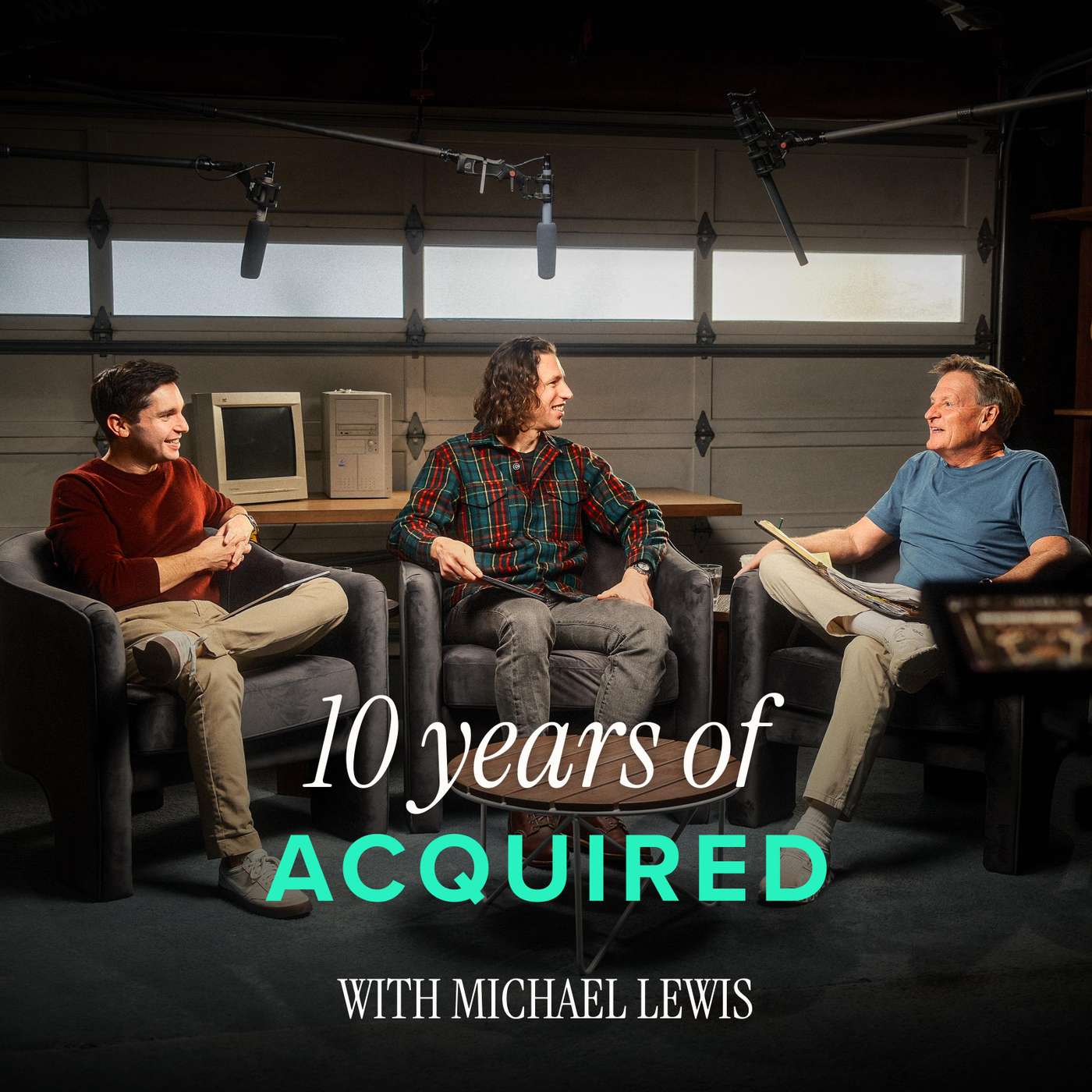
Episodes that underperformed with the general audience, like those on Nintendo or cricket, proved invaluable by attracting influential "superfans," including Meta executives and author Michael Lewis. This shows that catering to a passionate niche can yield more strategic value than broad, moderate appeal.
Collectibles have evolved beyond niche hobbies into a mainstream communication tool, similar to fashion or luxury cars. Consumers use them to signal identity, tribal affiliation, and status. Brands can leverage this behavior to build deeper connections and create a sense of community.