Get your free personalized podcast brief
We scan new podcasts and send you the top 5 insights daily.
AI allows experts in one domain, like marketing, to deliver high-quality work in adjacent fields such as sales enablement or financial analysis. This transforms a specialist into a more versatile "full stack" business strategist, expanding their value and service offerings without years of traditional training.

Related Insights
Instead of hiring a 'Chief AI Officer' or an agency, the most successful GTM AI deployments empower existing top performers. Pair your best SDR, marketer, or RevOps person with AI tools, and let them learn and innovate together. This internal expertise is more valuable than any external consultant.
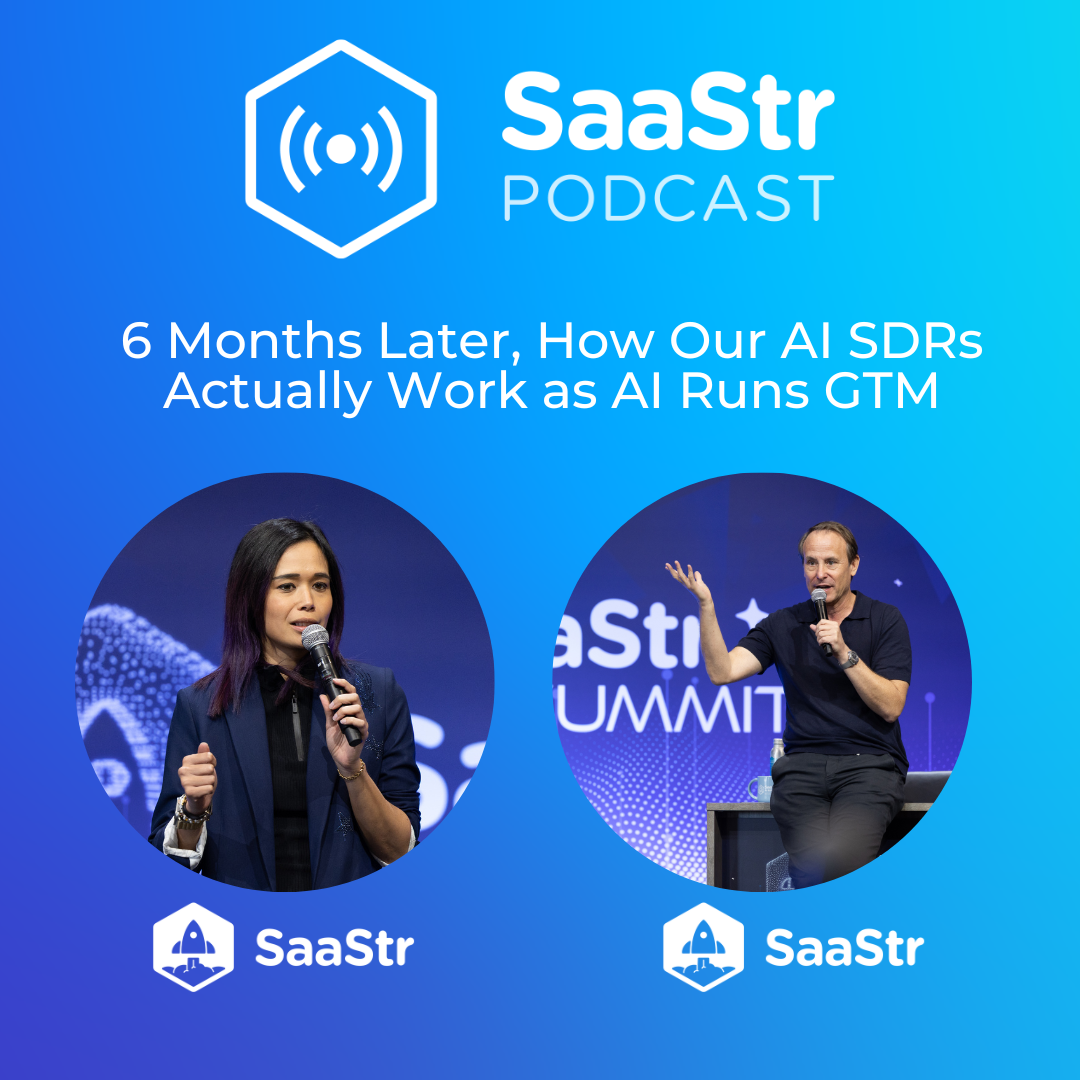
The most potent productivity gains from AI aren't just for junior staff. Seasoned professionals who combine deep domain expertise with adaptability are using AI to rapidly learn adjacent skills like design or marketing. This allows them to "collapse the skill stack" and single-handedly perform tasks that previously required multiple people.
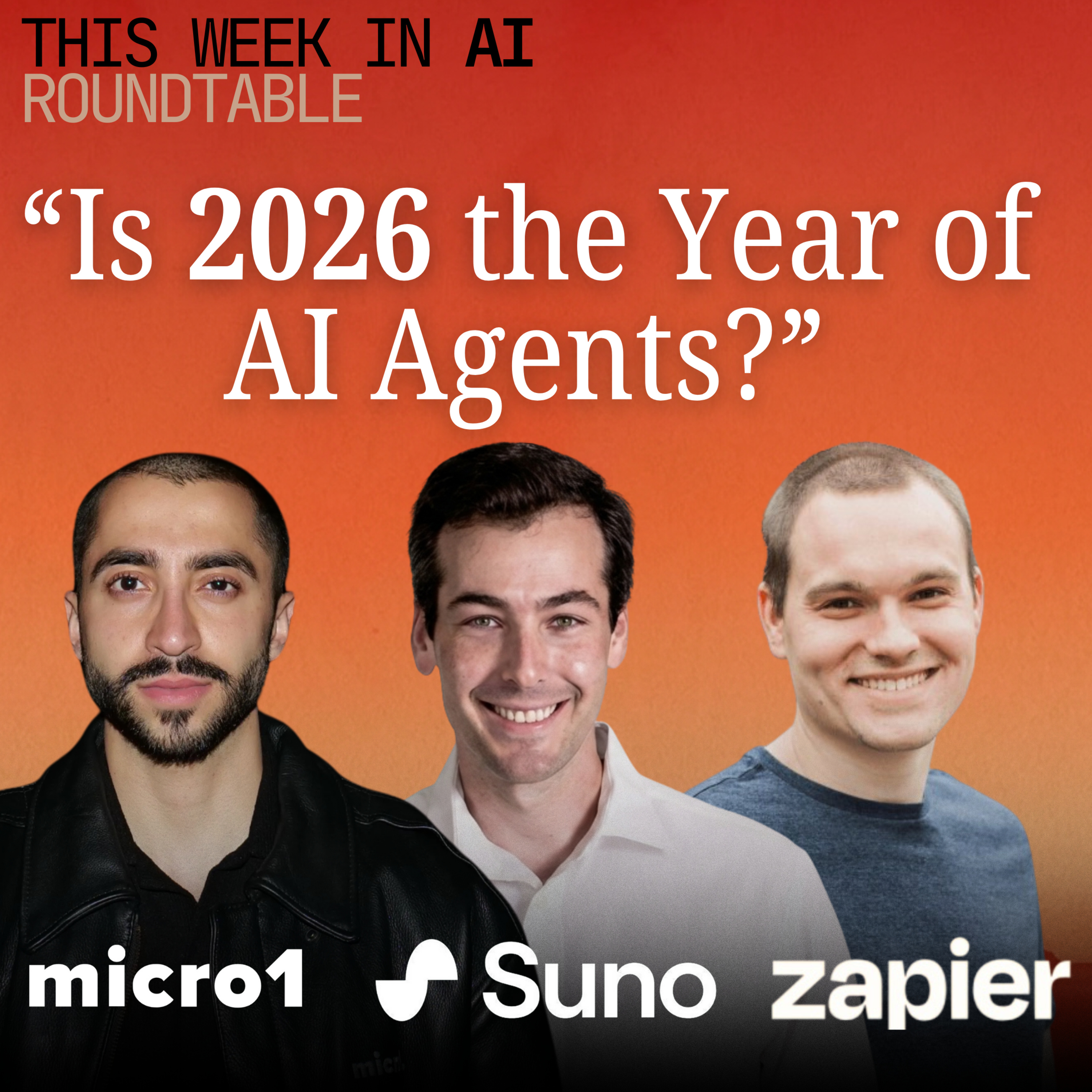
The long-held advice to specialize deeply in one lane is becoming obsolete. To remain valuable, salespeople must become generalists, developing competencies across multiple disciplines like AI, marketing, and negotiation. The most valuable professionals will be those who can connect insights across different fields, a necessity driven by technological advancements.

AI assistants empower engineers to tackle tasks outside their core expertise, expanding their capabilities from a single deep specialty ('T-shaped') to multiple areas of depth. This allows for more versatile, self-sufficient team members who can manage broader responsibilities.

Effective AI tools are not just about task automation; they encode an expert's strategic perspective. By building a point-of-view-driven research process into an app—prioritizing specific metrics and analyses—you can scale specialized expertise across an entire marketing team, ensuring consistent, high-quality insights.

AI agents can manage the entire buyer lifecycle from first touch to upsell. This removes human capacity constraints, allowing companies to merge siloed go-to-market teams into a single, cohesive unit focused on the customer journey.

The future consulting model may flip traditional roles. Instead of hiring firms for primary analysis, organizations could develop their own 'agentic AI' for strategy creation and use external human experts simply to validate the AI's output, relegating consultants to a secondary role.

AI reverses the long-standing trend of professional hyper-specialization. By providing instant access to specialist knowledge (e.g., coding in an unfamiliar language), AI tools empower individuals to operate as effective generalists. This allows small, agile teams to achieve more without hiring a dedicated expert for every function.

AI tools act as a 'superpower' for high-agency generalists who possess good taste and deep customer understanding but may lack deep technical specialization. This could reverse the long-standing corporate trend of valuing specialists, making these empowered generalists the most impactful players in a company.
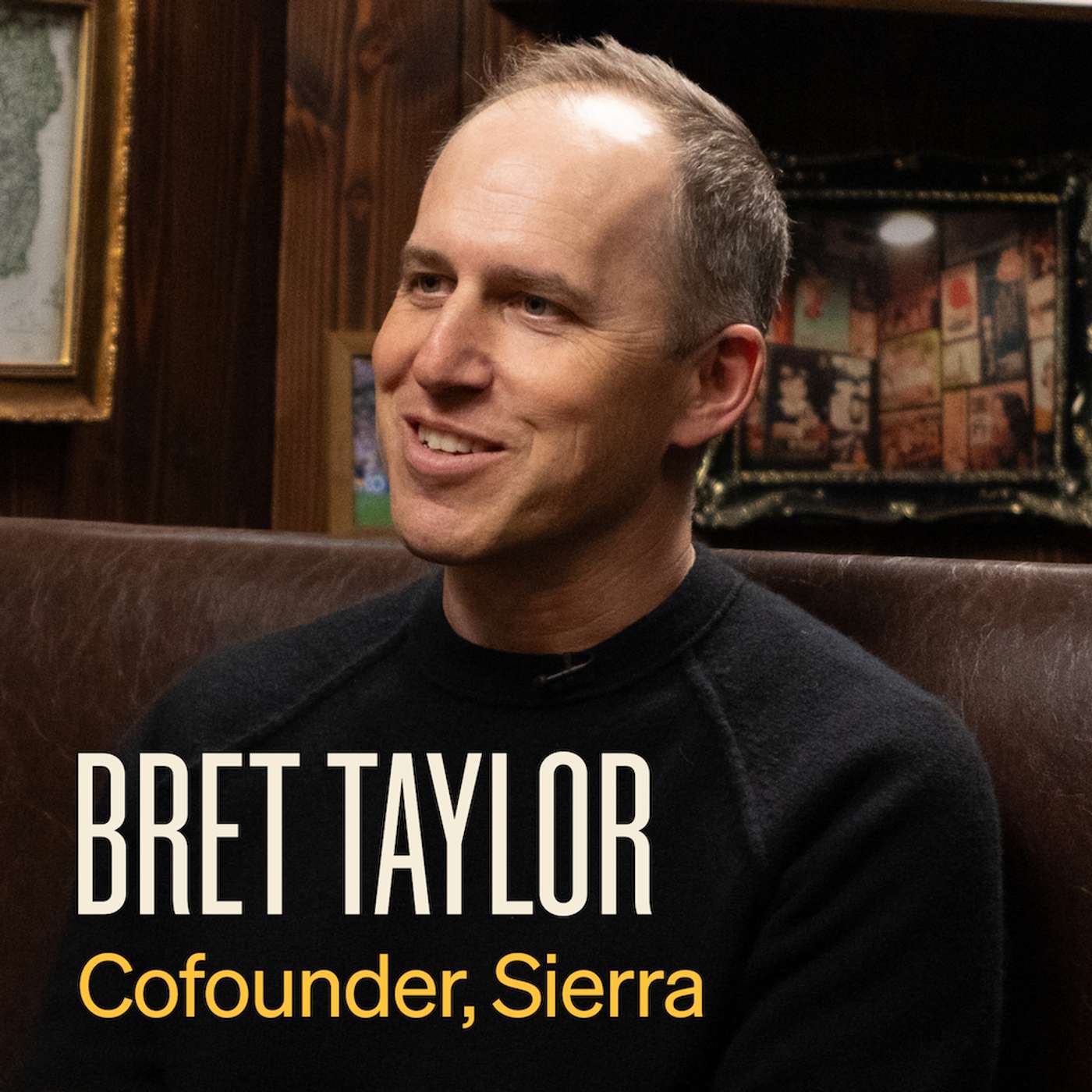
With advanced AI, a marketing consultant who knows what "good" looks like can now deliver competent work in sales, finance, or operations. This expands their service offering from a single silo to a holistic advisory role, dramatically increasing their value to clients by solving problems across the entire business.