Get your free personalized podcast brief
We scan new podcasts and send you the top 5 insights daily.
Being geographically distant from Silicon Valley helped Shopify avoid groupthink. Lütke found that Valley peers shared their ambitious 'highlight reels' of how they operated, not the messy reality. This allowed him to build original, first-principles systems, sometimes accidentally implementing the very ideals others only aspired to.

Related Insights
To build a truly great product, you can't just copy competitors. Being different is a prerequisite for achieving a step-change improvement. Even if a different approach fails, it yields valuable learning about what doesn't work, which Lütke calls a 'successful discovery.'
While capital and talent are necessary, the key differentiator of innovation hubs like Silicon Valley is the cultural mindset. The acceptance of failure as a learning experience, rather than a permanent mark of shame, encourages the high-risk experimentation necessary for breakthroughs.

Lütke's enduring passion comes from his learning style: he's motivated by first experiencing a problem, then seeking the knowledge to solve it. He structured his life's work at Shopify around this principle, ensuring a continuous stream of challenging problems to learn from.
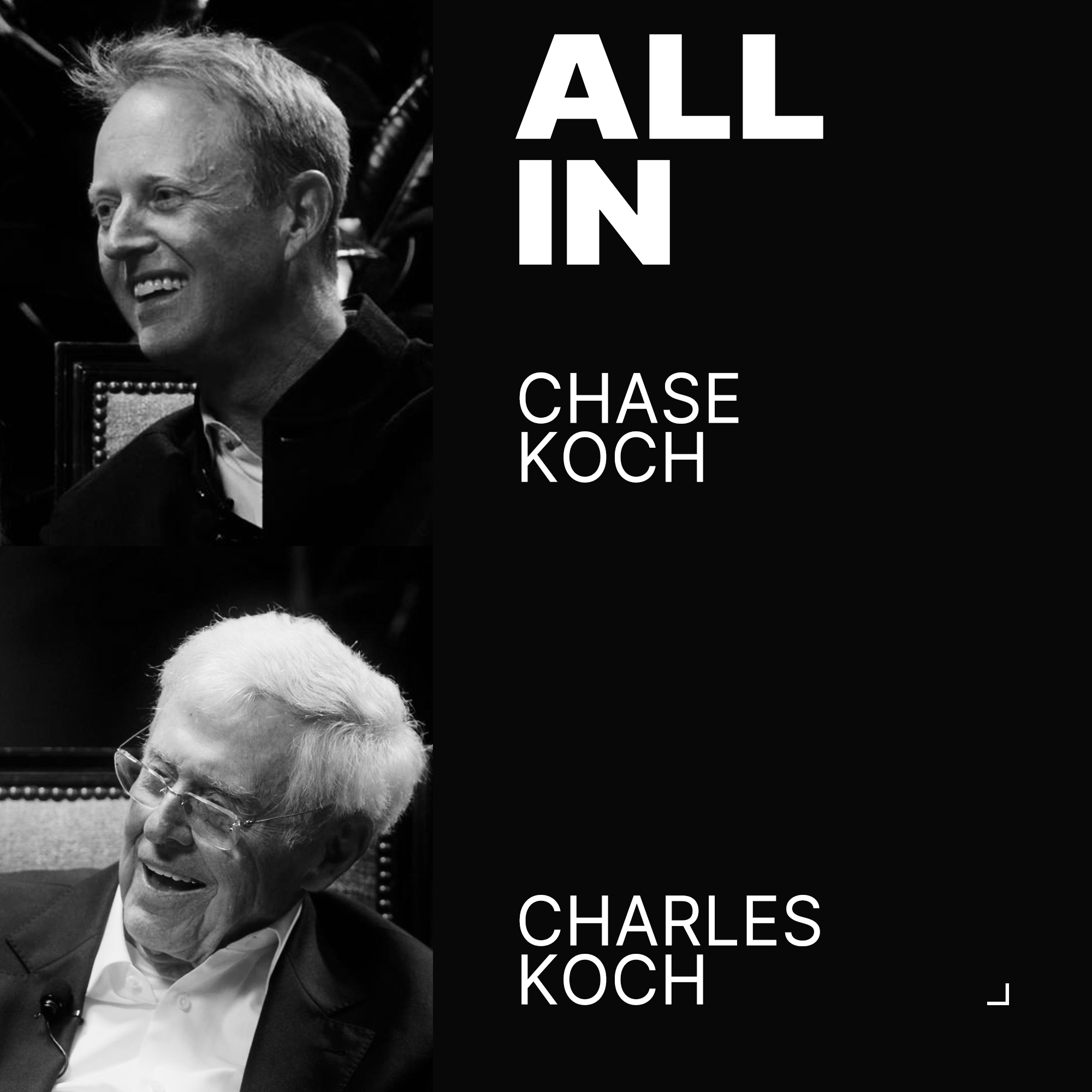
By staying in Wichita, Kansas, Koch avoids the "monoculture" and groupthink of hubs like Silicon Valley. This allows them to hire a "farm team" of talent—people who grew up with a strong work ethic and a "contribution motivated mindset" rather than an "entitlement mindset."
Lütke posits that a founder's accumulated credibility acts like a 'bank account.' This social capital can be spent to push through difficult but necessary changes, like rapid AI adoption, that would otherwise take years of gradual cultural shifts.
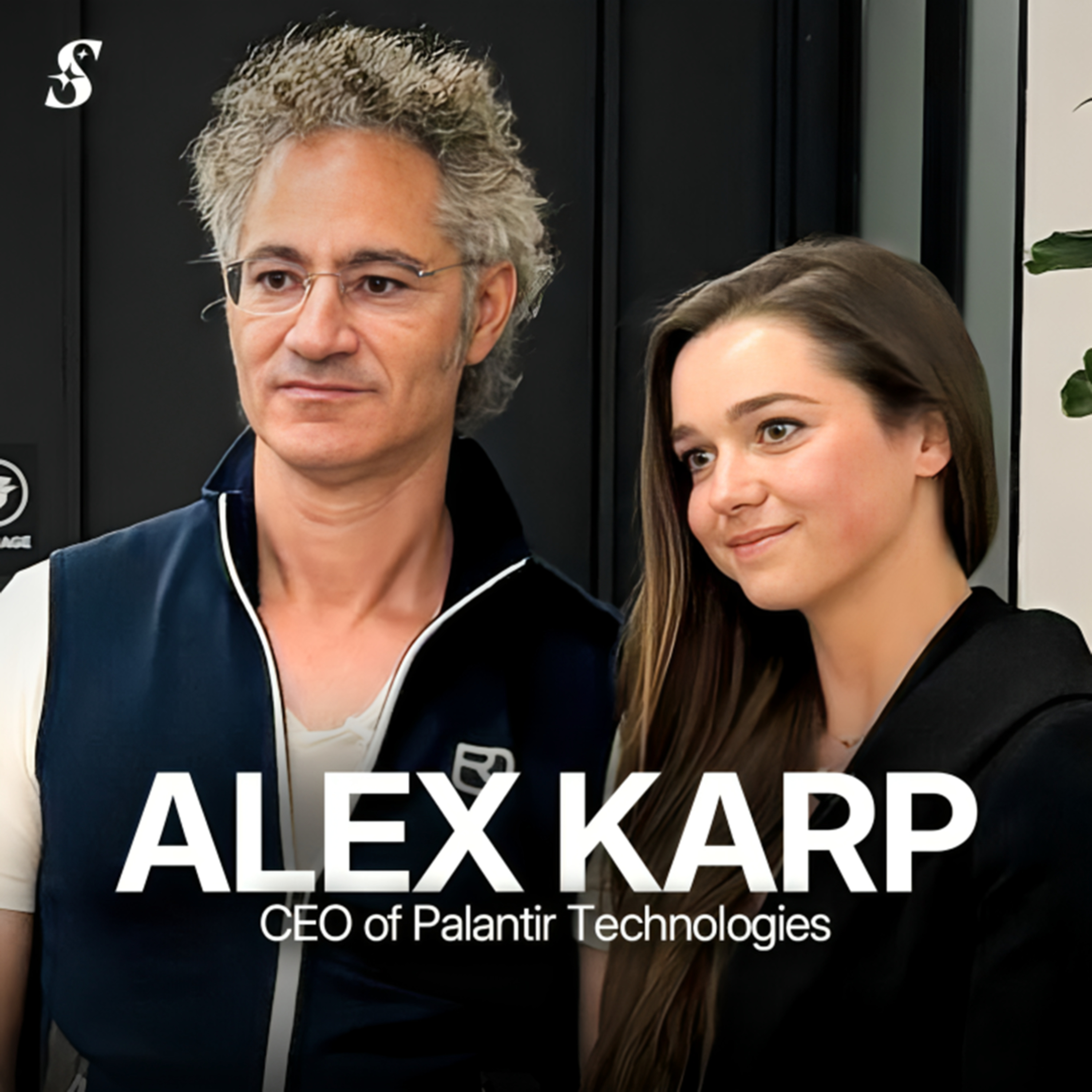
Palantir's success stems from its "anti-playbook" culture. It maintains a flat, meritocratic structure that feels like a startup despite its size. This environment fosters original thinking and rewards those who excel outside of rigid, conventional frameworks, turning traditionally undervalued traits into strengths.
HubSpot's co-founders were driven by the goal of becoming the biggest tech company in Boston, not the world. While VC Marc Andreessen views this "local maximum" thinking as a flaw, for HubSpot it provided a powerful, tangible anchor that fueled their long-term focus and prevented them from selling early.

Countering conventional wisdom, Shopify's design leader argues that deep, long-held context often leads to incrementalism. He believes designers can onboard to new problems quickly, and their resulting naivety and fresh perspective are more valuable assets for driving true innovation.

Plaid co-founder William Hockey argues that Silicon Valley is a "consensus society." He travels to constrained environments like Kinshasa to find unique creativity and non-obvious ideas, which are impossible to generate within the abundant and insular tech hubs.
![William Hockey - Building the Operating System for the Dollar and Silicon Valley Heresy - [Invest Like the Best, EP.463] thumbnail](https://megaphone.imgix.net/podcasts/fafd11c6-2198-11f1-9f4c-331b7fdffb5f/image/c8ee4ccf34b48dd3ef4ded6a34c1f70c.jpg?ixlib=rails-4.3.1&max-w=3000&max-h=3000&fit=crop&auto=format,compress)
Demis Hassabis argues that building DeepMind in London provided a key advantage. Being slightly removed from the Silicon Valley 'maelstrom' and its latest trends is 'very conducive to thinking deeply about things' and being more original, which is critical for long-term, ambitious deep tech projects.
