Get your free personalized podcast brief
We scan new podcasts and send you the top 5 insights daily.
Retailers use private labels to copy existing, proven best-sellers, not to build new, unproven categories. A startup doing a private label deal early risks doing all the expensive work of consumer education and marketing for the retailer's brand, only to compete against it later.

Related Insights
For new CPG products creating a category, co-branding with adjacent, established brands (e.g., protein sprinkles with a yogurt brand) is a superior strategy. It provides distribution and credibility without the risk of creating a cheaper, private-label competitor that could cannibalize your future brand.
The long-term strategy for brands you carry is to go direct-to-consumer, cutting you out. The only sustainable defense for a retailer is to build its own brand equity by creating and marketing its own private-label products, transitioning from a utility to a destination brand.

Getting into retailers like Target or Walmart feels like validation, but it can bankrupt startups. The high costs, stocking fees, and immense pressure for sell-through often drain resources and lead to failure.
When launching an innovative product, approach major retailers by framing it as the anchor of a completely new category you can help them build. This elevates your company from a mere supplier to a strategic partner and category leader.
Securing a deal with a giant like Walmart can be a trap. If the product doesn't sell through immediately, the brand is forced into massive, unplanned promotional spending to stay on shelves. This depletes cash and starts a downward spiral that many CPG startups don't survive.

The backlash against 'category creation' isn't about the concept itself, but its poor execution. Critics react negatively when marketers simply apply a new name to a product in an existing category without any fundamental product differentiation. This is seen as disingenuous marketing spin rather than true innovation.

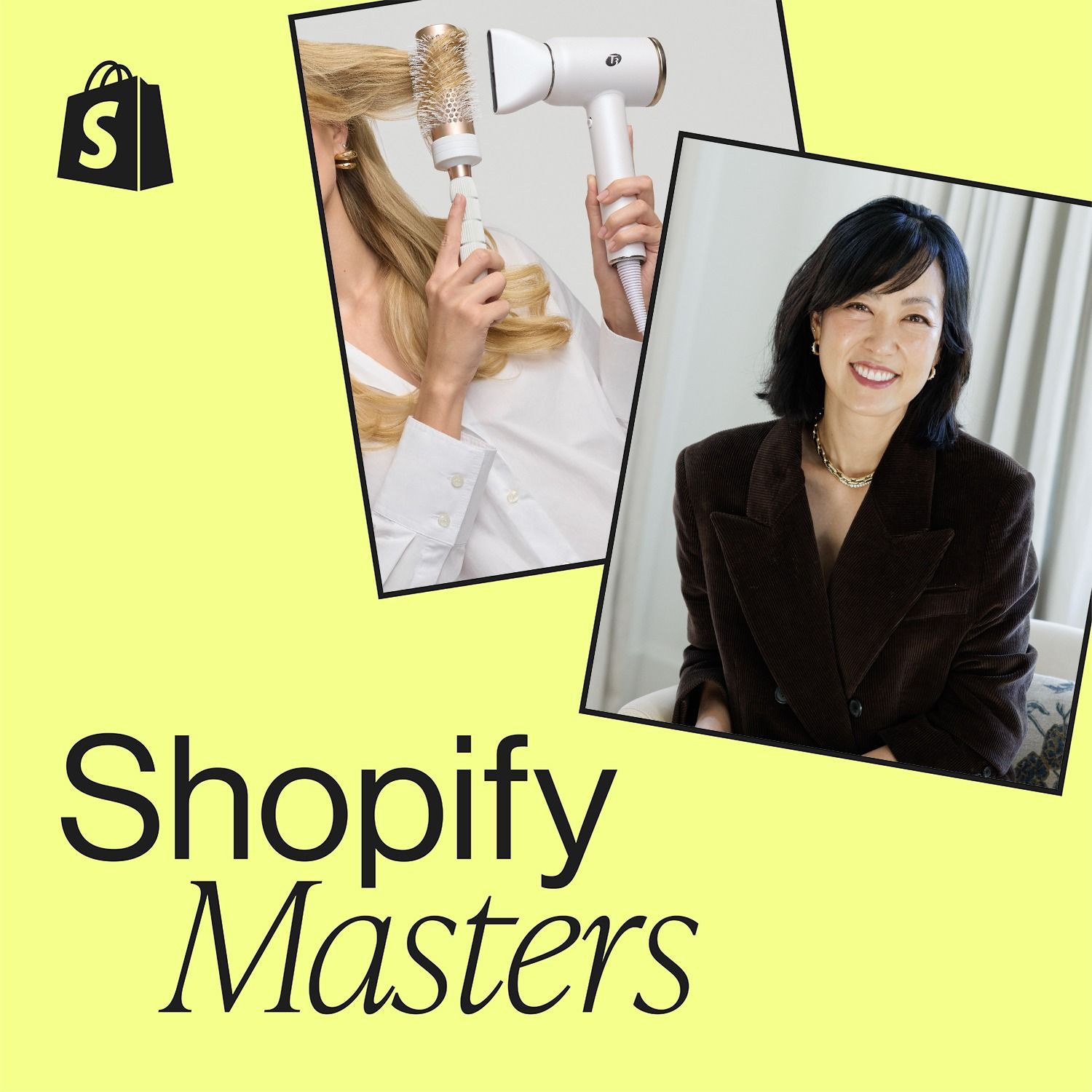
When Sephora first approached T3, their request was to create a Sephora-branded hair dryer. Despite being a young, bootstrapped company, T3 declined the white-label opportunity. They insisted on selling under their own brand name, a crucial decision that allowed them to build long-term brand equity instead of becoming a disposable supplier.
When creating a new food category, you invest heavily in educating consumers. Tariq Farid warns that if you don't control sourcing and maintain healthy margins, a competitor can easily replicate your product, import it cheaply, and capitalize on the demand you built.
Many marketers mistakenly start with the goal of creating a new category. However, a new category only emerges as a downstream consequence of a strong, existing demand that is poorly served by all current products. The demand must exist before a new category can be successfully established.

A-Frame's CEO warns that retailers can 'love you to death.' Accepting a full-chain launch is tempting, but the marketing and inventory costs can be overwhelming for a young brand. He advises founders to negotiate a smaller, focused launch to prove the concept before expanding.
