Get your free personalized podcast brief
We scan new podcasts and send you the top 5 insights daily.
Perkins's goal is for her brands to succeed independently of her personal brand. This ensures longevity beyond founder-led trends and allows the products to develop their own identity, as proven when a stranger knew the brand but not her.

Related Insights
IM8 founder Danny Yeung structured his partnership with David Beckham not as an ambassadorship, but as a co-founding role. Critically, he designed the brand to have an identity independent of Beckham, avoiding the common pitfalls of short-lived celebrity-fronted products.

Ethan Glenn intentionally built his brand, Every Other Thursday, as a separate entity from his personal influencer account. This ensures the brand can stand on its own and isn't solely dependent on his personal fame, preventing it from collapsing if he steps away.
To create a brand that outlasts any individual, founder Nima Jalali avoids making his pro-snowboarder background the central marketing story. He believes a brand’s narrative should be bigger than one person's story to achieve true longevity, comparing it to how Apple markets the iPhone, not Steve Jobs.
The long-term growth of a business built on a personal brand depends on evolving beyond the founder's direct involvement. This means creating programs where the value comes from the entire team's expertise—the CEO, CMO, and other specialists—not just the founder's celebrity.

Partnering with an influencer provides a massive initial launch advantage and a built-in audience. However, long-term success, like Glossier's, requires building a brand identity and marketing engine that can stand on its own. The influencer is the launchpad, not the entire rocket.

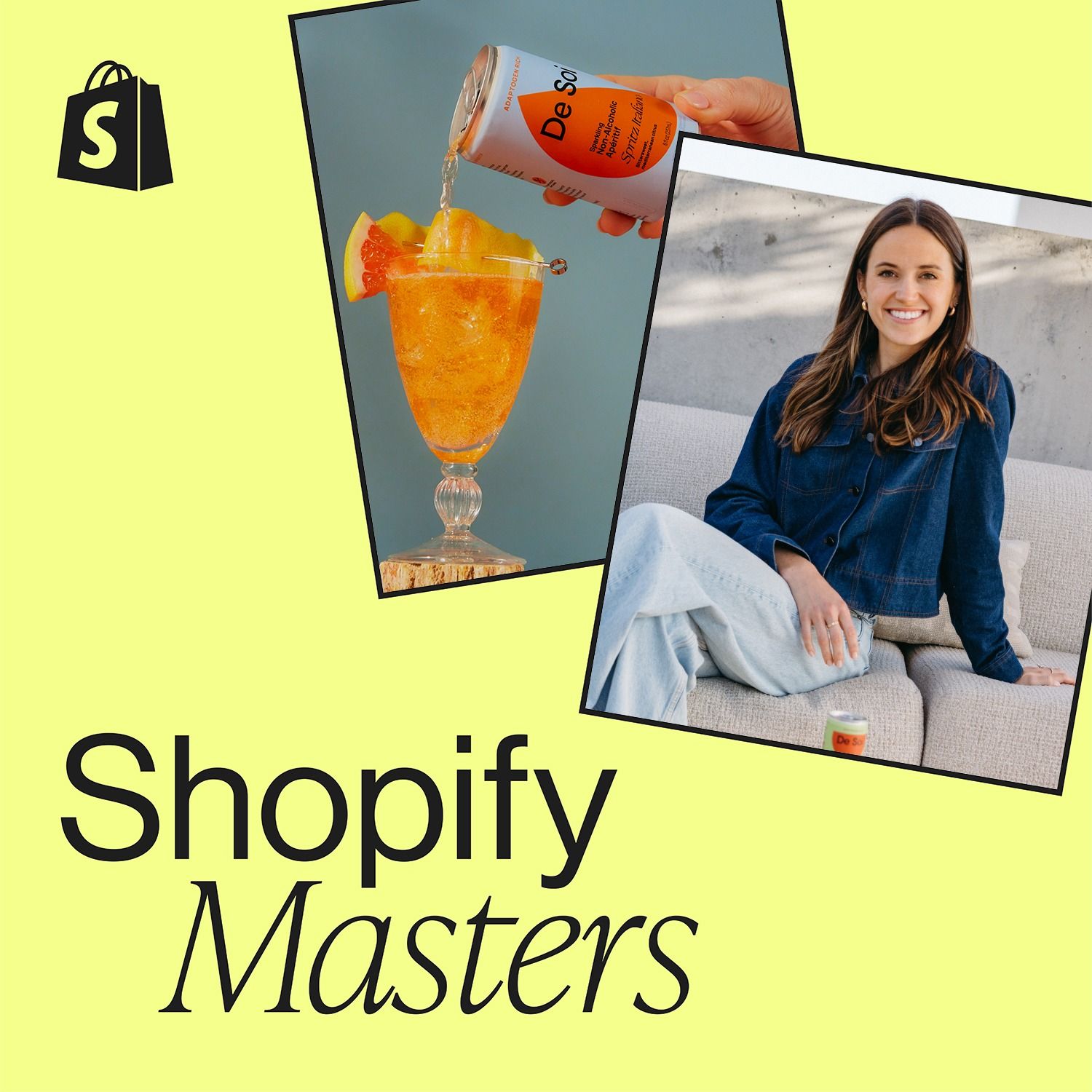
By not featuring co-founder Katy Perry on its cans, De Soi builds an identity separate from its celebrity backer. This creates long-term brand equity and attracts customers who discover the product organically, ensuring loyalty is to the brand itself—a crucial factor for a potential future acquisition.
The ultimate goal for Give Hugs was for the brand to be bigger than its founder, Lexi Hensler. They achieved this by creating a separate identity and community for the product, to the point where many customers know the brand but not the founder behind it, ensuring its longevity.
A successful entrepreneur who built her business on her personal brand now cautions against it being the only viable strategy. She admits she was wrong and now advocates for building businesses not tied to one's name and likeness, stressing the need to separate the human from the brand.

To build a lasting brand, creators must define their value independently of any single platform. The core mission and value delivered to the audience should be clear enough to be translated from YouTube to TikTok to the next immersive medium, ensuring longevity beyond temporary trends.

Despite his public profile, founder Thomas Robson-Kanu initially remained anonymous, handling customer service and DMs himself. This strategy forced the brand to stand on product quality and customer testimonials alone, building authentic credibility before he attached his personal brand to the company.