Get your free personalized podcast brief
We scan new podcasts and send you the top 5 insights daily.
Despite creating world-changing marketing campaigns, Elon Lee felt trapped in his agency. The service model meant he only earned money while actively working. This realization drove him to seek a scalable, product-based business, highlighting the inherent limitations of trading time for money.

Related Insights
Hitting a major revenue goal can feel meaningless if it leads to burnout. This form of "success" simply replaces corporate constraints with entrepreneurial ones, creating a new trap that you've built for yourself.

Relying solely on a time-for-money service model is precarious, as a personal crisis can halt all income. Entrepreneurs in service industries should conceptualize passive income streams from day one, even before implementation. This builds resilience and provides options when they can no longer trade time for money.
A founder admits his agency fell into an "ego trip," chasing vanity metrics like employee headcount and opening international offices. While impressive at cocktail parties, this focus on scale over substance destroyed profitability, making the business feel more like "a charity."

Founders often equate constant hustle with progress, saying yes to every opportunity. This leads to burnout. The critical mindset shift is recognizing that every professional "yes" is an implicit "no" to personal life. True success can mean choosing less income to regain time, a decision that can change a business's trajectory.
If your business stops the moment you do, burnout is an inevitable outcome of a flawed model. Use this exhaustion as a signal to build systems, delegate, or create passive income streams. This shifts the focus from personal endurance to creating a sustainable enterprise that can function without your constant presence.
Many founders focus on generating personal income, inadvertently creating a job they can't leave or sell. To build a true business asset, you must define an end goal (like a sale) from the beginning and structure operations, processes, and financials accordingly.
Entrepreneurs quit when they hit a predictable rough patch, mistaking it for a flaw. SaaS is slow to start, e-commerce has cash flow issues, services are people-heavy. Success requires pushing through your chosen model's inherent difficulty, not switching to another.

The free market is ruthlessly efficient at pushing commodity service providers to a point of burnout, where they give maximum effort for minimum sustainable pay. To escape burnout, you must escape commoditization by creating a unique, high-value offer.
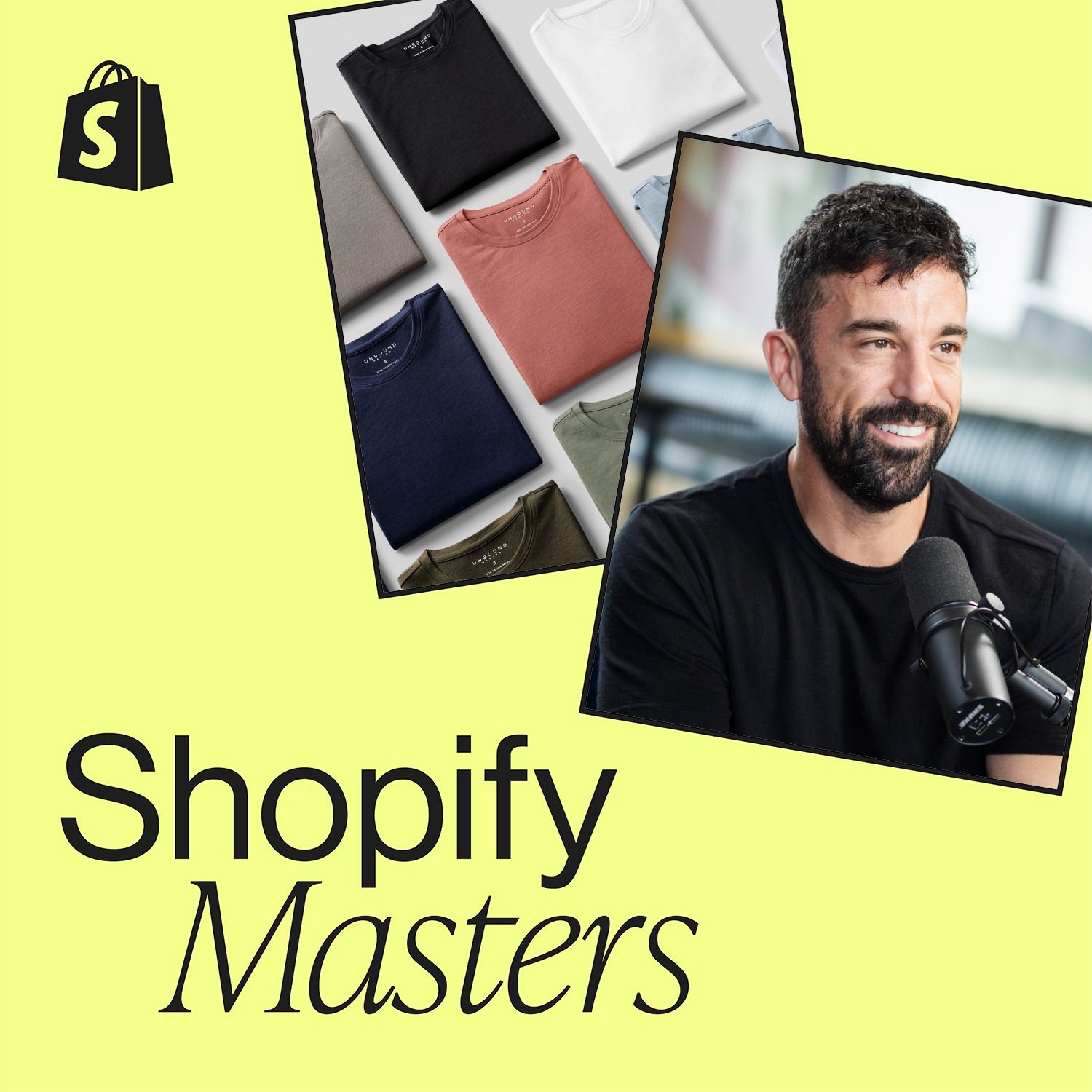
Unbound Merino's founder was driven by frustration with his service agency, where revenue was tied to his personal sales efforts. This pain motivated him to find an e-commerce model where the business could generate sales 24/7, even while he slept.
A coach helping others scale a business they themselves are burned out from is a flawed model. The first step to becoming a better coach is to fix and de-commoditize your own business, which proves the model and provides the confidence to teach and charge more.