Get your free personalized podcast brief
We scan new podcasts and send you the top 5 insights daily.
Facing a tough funding environment in 2022, Breezy Griffith pivoted from traditional VC. She painstakingly raised capital from 65 separate celebrity investors, requiring multiple individual calls with each to close the round and save the company.

Related Insights
After 100 investor rejections, Synthesia cold-emailed Mark Cuban, who committed within 10 hours. The key difference was that Cuban had already prototyped similar technology and deeply understood the vision, allowing him to evaluate the team's execution rather than needing to be educated on the concept's validity.

When the Target buyer asked if they had supply chain issues before offering a chain-wide launch, the founder instantly said 'nope'—despite producing in a 'chicken coop.' This bold move secured the deal, forcing them to rapidly scale.
The bar for pre-seed funding has risen dramatically. With an abundance of startups already generating revenue (e.g., $1M ARR), VCs are choosing these de-risked opportunities over pure idea-stage companies. This "flight to quality" has bifurcated the market, making it extremely difficult for pre-revenue founders to raise.

The initial capital for a new fund-of-funds doesn't come from cold outreach to institutions. The process mirrors an emerging VC's first fundraise, relying on a personal network of operators, VCs, and high-net-worth individuals who already believe in the founder. The strategy is to work the existing network outward, not pitch institutions from day one.

Venture capital can create a "treadmill" of raising rounds based on specific metrics, not building a sustainable business. Avoiding VC funding allowed Donald Spann to maintain control, focus on long-term viability, and build a company he could sustain without external pressures or risks.

Prepared's founder rejected running a formal fundraising process. Instead, he had infrequent 'coffee chats' with investors to share progress. This built relationships and momentum, leading to preemptive term sheets and much faster closes without the distraction of a full-time fundraise.

The founders of Free Soul endured multiple rejections, including literally being laughed out of rooms. They frame this brutal process as a necessary filter that weeded out misaligned VCs and ultimately led them to investors who were personally connected to their mission.
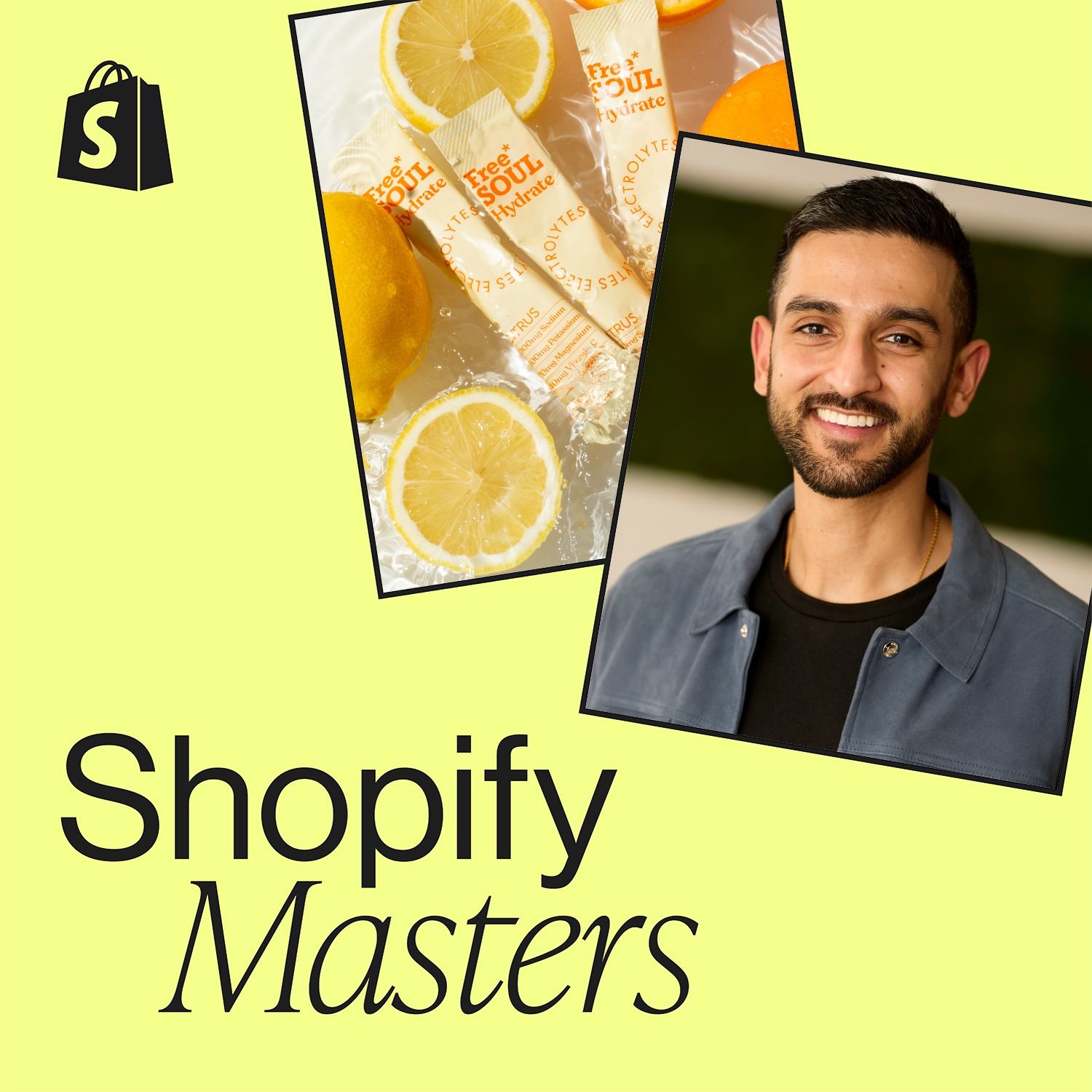
The death of a young family friend prompted Breezy Griffith to move home and re-prioritize family. This personal shift, not a market analysis, was the direct catalyst for starting a business with her mother, demonstrating how life events can shape entrepreneurial paths.
For founders unable to get traditional loans, a viable alternative is offering high-interest (e.g., 15%) subordinated debt to angel investors. The best source for these investors can be existing, passionate B2B customers who believe in the product and want to be part of the success story.
Unable to find a co-manufacturer through traditional means, co-founder Breezy Griffith scoured esoteric chocolate blogs, found a chocolatier's comment, reverse-engineered their screen name to find a phone number, and cold-called them at home.