Get your free personalized podcast brief
We scan new podcasts and send you the top 5 insights daily.
This framework moves beyond formal client-agency relationships by creating co-creation sessions where teams 'break bread' together. It removes the transactional dynamic, fosters agility, and often leads to powerful, unbriefed creative work.
Related Insights
A formal client brief isn't the only trigger for ideas. When an agency truly immerses itself in a brand's history, values, and personality, they are in a constant state of being "briefed." This mindset fosters proactive creativity outside of planned campaign cycles.

In an age of AI-generated proposals, the human element of collaboration is a key differentiator. The gesture of working *with* the client to build the proposal creates deep trust and relationship equity. The process of collaborating is often more valuable than the resulting document.

A formal 'Creative Council' can shift a review process from a scary judgment forum to a collaborative space where teams willingly bring ideas for sharpening. This cross-functional meeting elevates work by fostering healthy debate and reinforcing that creativity is an iterative process.
In a highly competitive industry, Givaudan differentiates itself by not just responding to client briefs, but actively co-developing them. By helping clients define consumer targets and product positioning, they transform a potentially transactional sales process into a deep, collaborative partnership from the very beginning.

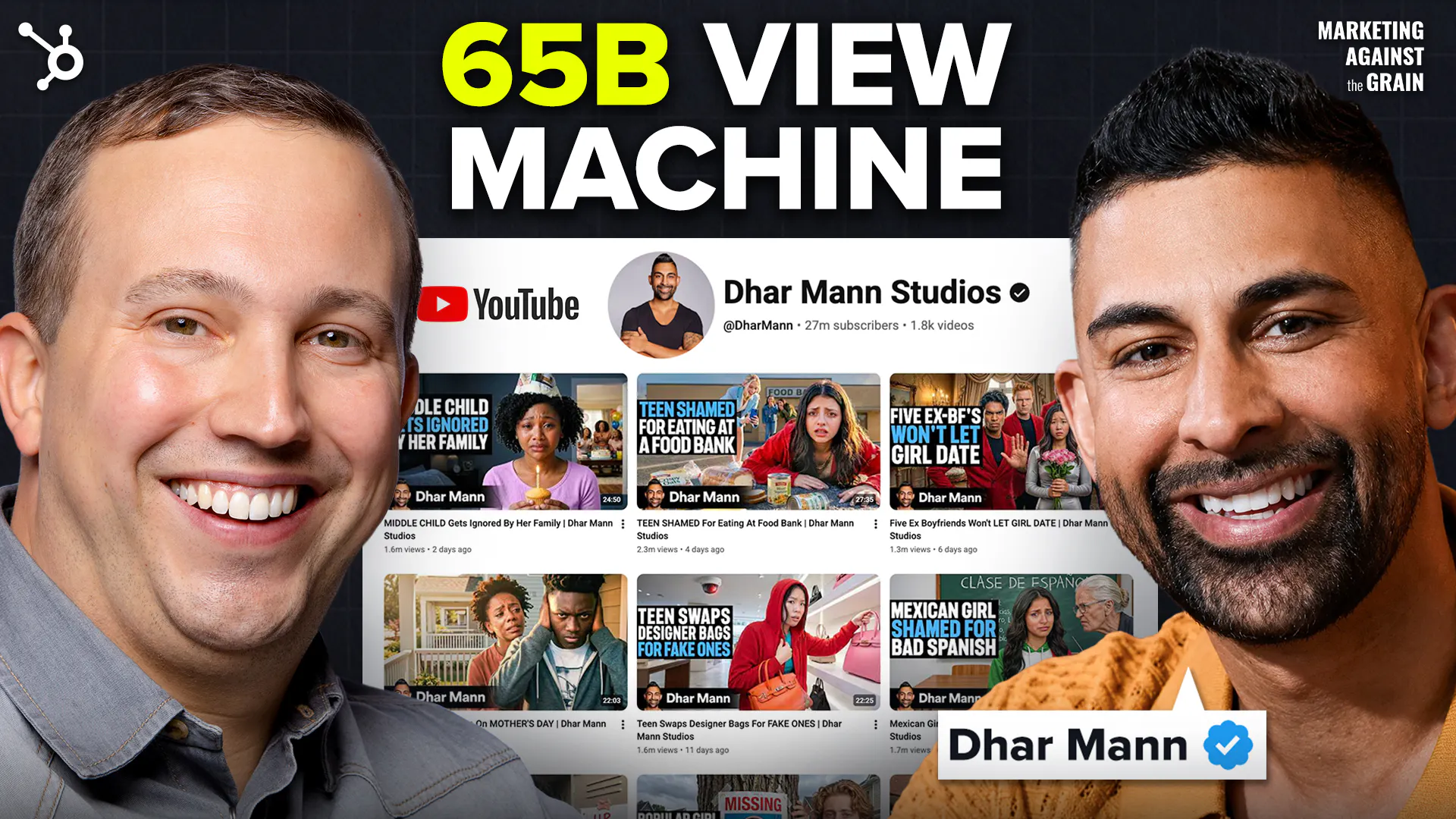
Dhar Mann's most successful brand campaigns, like with the NFL, began with the brand's CMO directly asking for his creative vision. This contrasts with the typical multi-layered, brief-driven approach that stifles creativity. True collaboration starts by trusting the creator's expertise and bypassing the bureaucracy that kills innovative ideas.
Transform a creative department from a production house into a strategic partner by changing how you brief them. Instead of giving prescriptive directives, present the business problem that needs to be solved. This empowers creative minds to contribute to strategy and deliver more impactful solutions, not just executions.

Instead of a linear design-to-engineering handoff, a "helix" model involves specialists (design, motion, code) continuously spinning around each other's work. This non-hierarchical process fosters co-creation and leads to more integrated, higher-quality outcomes.

The most effective client-agency partnerships are not the easiest, but the most honest. They are characterized by clarity, mutual trust, and a willingness to have frank conversations. This directness, rather than constant agreement, is what leads to breakthrough creative work.
The traditional, siloed agency model of a strategic "hand-off" to a creative team is outdated and inefficient. A more effective future model pairs a strategist and a creative together from the start, short-circuiting the process to produce better work faster.

The defining characteristic of a great agency relationship isn't just delivering work, but true integration. They should feel like an extension of the internal team—challenging existing ideas, helping the team grow, and working as a complementary partner rather than a transactional vendor.