Get your free personalized podcast brief
We scan new podcasts and send you the top 5 insights daily.
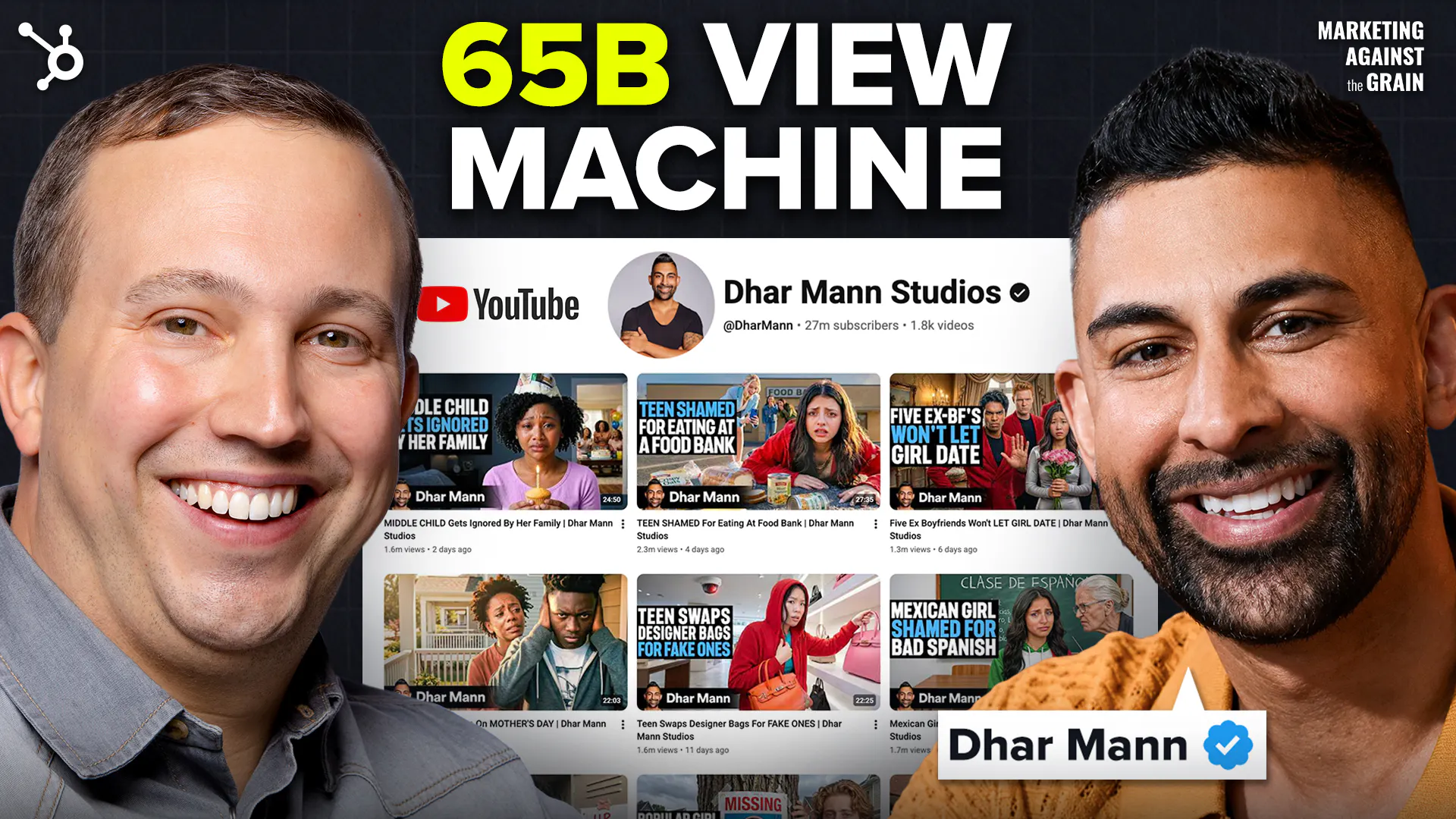
Dhar Mann's most successful brand campaigns, like with the NFL, began with the brand's CMO directly asking for his creative vision. This contrasts with the typical multi-layered, brief-driven approach that stifles creativity. True collaboration starts by trusting the creator's expertise and bypassing the bureaucracy that kills innovative ideas.
Related Insights
To preserve authenticity, treat the creative brief as the destination (the goal, the key message), but let the creator 'drive.' They know their audience and platform best. Overly prescriptive briefs with scripts or restrictive guardrails kill the authenticity that makes influencer marketing effective, turning the content into a generic ad.

Instead of offering standard packages, Unrivaled asks partners what innovative ideas were previously rejected by other leagues. This question uncovers unmet needs and leads to unique, authentic activations, like using Samsung phones for live broadcast angles, turning a sponsorship into a true co-creation partnership.

When asked how marketers can drive storytelling in reluctant organizations, the speaker revealed his successful ads for Ramp weren't from a brief. He created the concepts, wrote the copy, and texted them directly to the founder. This proactive approach bypasses committees and demonstrates value, forcing a conversation about better marketing.

To get breakthrough creative work, brands must be excellent partners. This means providing crystal-clear briefs with budget parameters, onboarding agencies as extensions of the team, and delivering consolidated, actionable feedback. The quality of the output directly reflects the quality of the client's input.

To achieve genuine endorsements, brands must trust creators. Instead of providing rigid scripts, give them key message points and the freedom to tell the story in their own voice. This creative liberty results in more authentic advertising that resonates with the creator's audience.

Brands struggling with the bandwidth to manage creators should shift their mindset. Viewing creators as human partners, rather than fungible "media units" or "affiliate links," is crucial. This requires both technology that empowers them and dedicated support to build authentic relationships.

Instead of just asking players to promote the NFL, Tim Ellis focused on their personal goals (e.g., fashion, gaming). By consistently making them "look cool," he earned their trust and enthusiastic collaboration.
Transform a creative department from a production house into a strategic partner by changing how you brief them. Instead of giving prescriptive directives, present the business problem that needs to be solved. This empowers creative minds to contribute to strategy and deliver more impactful solutions, not just executions.
The most effective client-agency partnerships are not the easiest, but the most honest. They are characterized by clarity, mutual trust, and a willingness to have frank conversations. This directness, rather than constant agreement, is what leads to breakthrough creative work.

Digitas CEO Amy Lanzi avoids the term "influencer" because it implies a transactional ad buy that audiences reject. Instead, she advocates treating "creators" as a "brand's best friend." They should be integrated into the marketing org to co-create authentically and use their community to feed the product development pipeline.