Get your free personalized podcast brief
We scan new podcasts and send you the top 5 insights daily.
Web inventor Tim Berners-Lee argues that for AI to genuinely help manage your life, it needs secure access to your personal data in a "wallet," not just the public web. This enables a new class of user-centric applications that work for the individual.

Related Insights
The industry has already exhausted the public web data used to train foundational AI models, a point underscored by the phrase "we've already run out of data." The next leap in AI capability and business value will come from harnessing the vast, proprietary data currently locked behind corporate firewalls.

A new wave of startups, like ex-Twitter CEO's Parallel, is attracting significant investment to build web infrastructure specifically for AI agents. Instead of ranking links for humans, these systems deliver optimized data directly to AI models, signaling a fundamental shift in how the internet will be structured and consumed.

In an AI-driven ecosystem, data and content need to be fluidly accessible to various systems and agents. Any SaaS platform that feels like a "walled garden," locking content away, will be rejected by power users. The winning platforms will prioritize open, interoperable access to user data.
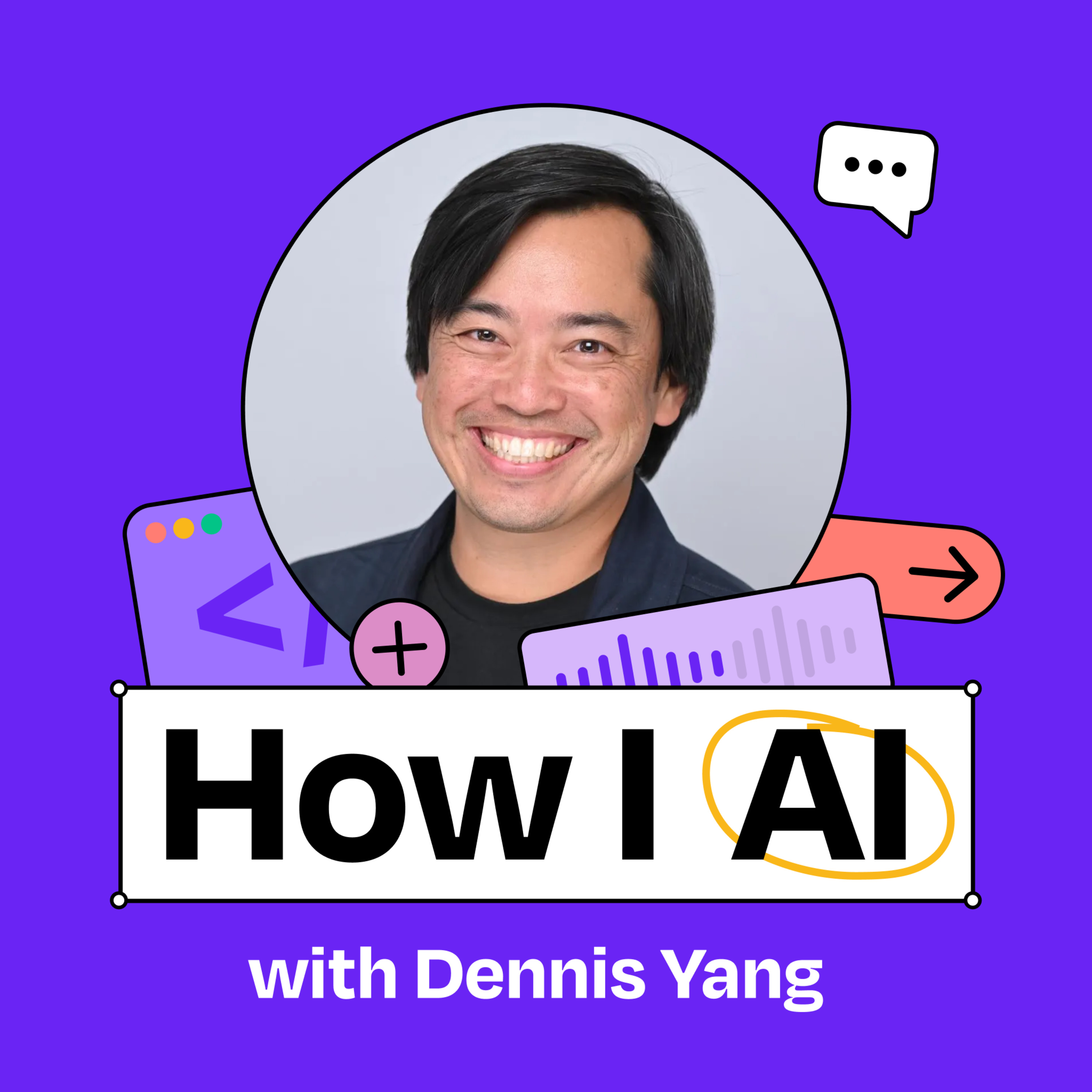
The Browser Company's vision shifted from optimizing tab management to seeing the browser as the ideal "personal intelligence layer." The browser itself is just the enabling technology; the real value comes from using its unique access to all user context (apps, queries, history) to power a miraculous AI assistant.

Managing human identities is already complex, but the rise of AI agents communicating with systems will multiply this challenge exponentially. Organizations must prepare for managing thousands of "machine identities" with granular permissions, making robust identity management a critical prerequisite for the AI era.

For years, access to compute was the primary bottleneck in AI development. Now, as public web data is largely exhausted, the limiting factor is access to high-quality, proprietary data from enterprises and human experts. This shifts the focus from building massive infrastructure to forming data partnerships and expertise.

The killer feature for AI assistants isn't just answering abstract queries, but deeply integrating with user data. The ability for Gemini to analyze your unread emails to identify patterns and suggest improvements provides immediate, tangible value, showcasing the advantage of AI embedded in existing productivity ecosystems.

The future of AI isn't just in the cloud. Personal devices, like Apple's future Macs, will run sophisticated LLMs locally. This enables hyper-personalized, private AI that can index and interact with your local files, photos, and emails without sending sensitive data to third-party servers, fundamentally changing the user experience.
Financial support (UBI) is insufficient for a thriving populace. The real safety net in an AI-driven world is a 'Universal Basic AI'—a personal, sovereign AI agent that acts in the user's best interest. This provides capability and access to resources, ensuring individuals are empowered, not just subsidized.

For AI to function as a "second brain"—synthesizing personal notes, thoughts, and conversations—it needs access to highly sensitive data. This is antithetical to public cloud AI. The solution lies in leveraging private, self-hosted LLMs that protect user sovereignty.
