Get your free personalized podcast brief
We scan new podcasts and send you the top 5 insights daily.
The fundamental shift to autocracy occurs when the legal system is no longer a neutral arbiter. Instead, it becomes an instrument of power for the leader, where legal decisions are dictated by political expediency rather than established statutes.

Related Insights
The speaker uses the political science term "personalist regime" to describe how Trump has blurred the distinction between his personal aims and the demands of the state. This erodes institutional norms and trust in a way that, like a broken personal trust, cannot be easily or quickly repaired.

Kasparov argues the greatest danger isn't just high-level political cronies. The critical inflection point is when a "critical mass of the second and third tier of officers of the law and bureaucrats" become loyalists. This cements authoritarian control by taking over the permanent machinery of the state itself.

The likely outcome for a declining democracy isn't a totalitarian regime. It's a system with the facade of democracy, like elections, but where one party has manipulated the rules (e.g., gerrymandering) to ensure it can no longer lose power nationally.
A key tactic in dismantling democracy is creating a national force like ICE that operates outside local accountability structures. Such forces can intimidate voters and suppress dissent with impunity, as their loyalty is to the leader, not the law.
Authoritarian leaders like Hugo Chavez systematically dismantle democracy from within after winning elections. They replace competent individuals in the military and government with those who are absolutely loyal, destroying meritocracy to ensure the state apparatus serves the regime, not the people.

Orbán pioneered a method to turn a democracy into an autocracy not through violence, but through complex legal, economic, and media control. This model serves as an inspiration for nationalist movements globally, including the MAGA movement in the U.S., making Hungary a critical test case.
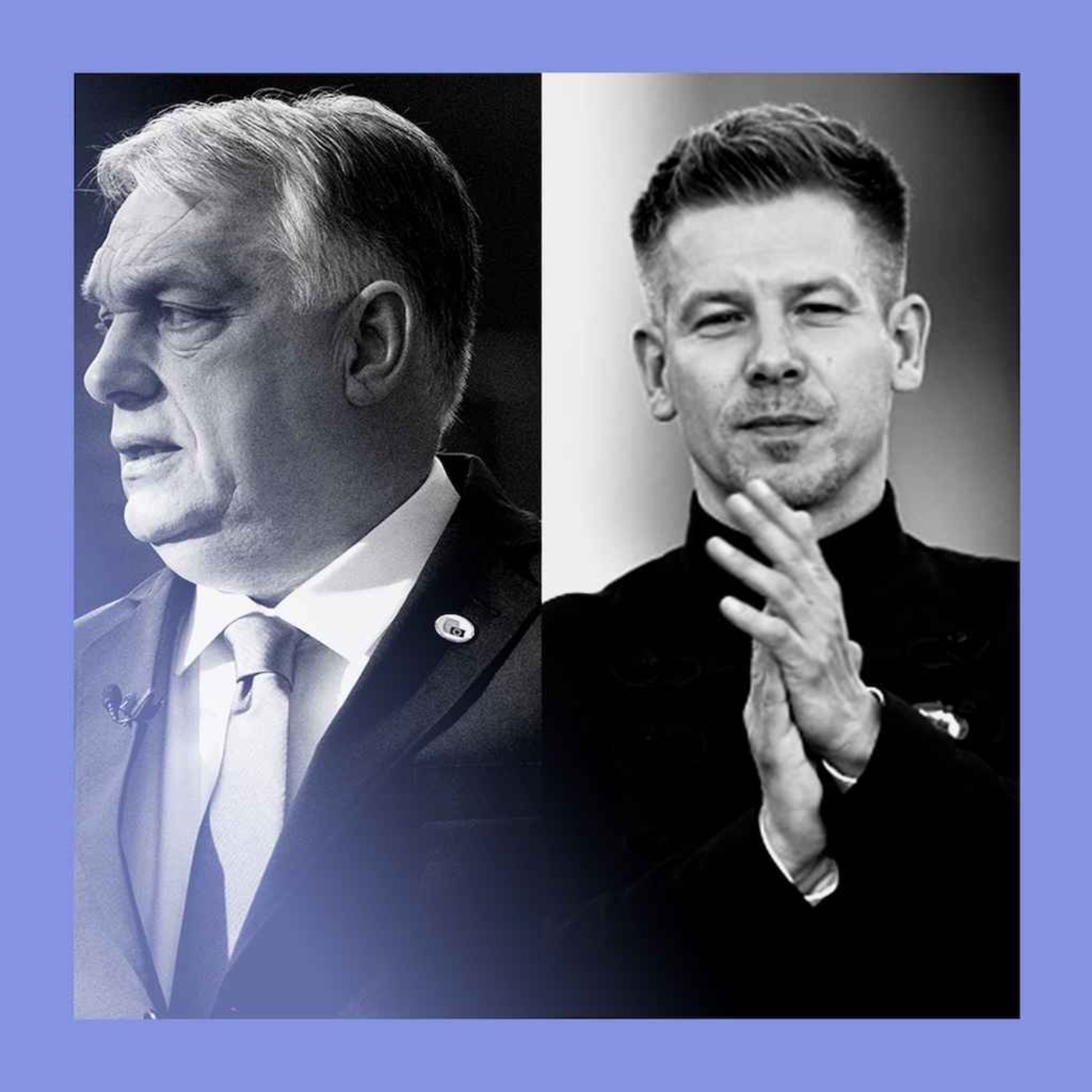
The contemporary threat to democracy isn't a violent overthrow. It's a gradual erosion of neutral institutions like courts, media, and electoral commissions by leaders who were democratically elected, a model pioneered by Hungary's Viktor Orbán.
For a dictator, concepts like free speech and rule of law are an existential threat that can ignite street revolutions. This is why Russia invaded Ukraine: to crush a neighboring democratic movement before its contagious ideas could spread.
Using legal attacks against political opponents ("lawfare") is a societal gangrene. It forces the targeted party to retaliate, turning elections into existential battles for survival rather than policy contests. This high-stakes environment creates a powerful incentive to win at any cost, undermining democratic norms.

The Trump administration operates "extra-constitutionally" not by directly breaking laws, but by creating bureaucratic chaos. By claiming incorrect venues or unclear authority, they engage in a "cat and mouse game" that paralyzes the legal system and operates as if the Constitution doesn't exist.
