Get your free personalized podcast brief
We scan new podcasts and send you the top 5 insights daily.
Faced with a male-dominated culture and stark funding gaps—only 2% of VC funding goes to women-led companies—female CEOs are building parallel support systems. Groups like the Biotech CEO Sisterhood provide mentorship and resource sharing, allowing members to bypass traditional, exclusionary networks and support one another.

Related Insights
Founder Haley Pavoni advises young female founders to accept they face a harder path. Instead of letting this breed resentment, she suggests reframing it as a challenge to conquer. This mental shift turns systemic disadvantages into a source of personal motivation and resilience.

The traditional power structure of climbing a single corporate ladder is obsolete. For senior women, networks have become the primary vehicle for building influence and opportunity. They leverage these communities to collaborate, find investors, and launch ventures, effectively creating their own "tables of influence."

The Biotech CEO Sisterhood operates on a counterintuitive principle: eliminate competition among members. The goal is to collectively maximize company success and patient impact by freely sharing resources, advice, and lessons learned—even on sensitive topics like gracefully shutting down a company.
Despite Boris Nikolic's deep ties to Jeffrey Epstein, his strong financial track record and connections enabled him to raise a $100M fund. This highlights a systemic bias where male VCs with a history of generating returns can overcome severe reputational damage, a privilege often unavailable to female fund managers.

The 350+ member CEO Forum wasn't a planned initiative. It started during COVID-19 when Jodie Morrison created an email list for fellow Atlas Venture CEOs to share operational tactics, filling a sudden, urgent need for peer support.

Jodie Morrison argues it is not enough for women to achieve leadership positions; they have a duty to actively support and mentor the next generation. This involves giving back to the community and creating the support networks that didn't exist for them.
Instead of setting diversity quotas for her male-dominated tech network, Muriel Faberge simply encouraged members to invite their female colleagues, sisters, and even mothers. This simple, personal approach naturally led to a balanced community with roughly equal gender representation, without forced mandates.

Research shows women often have more mentors than men, but men have significantly more sponsors. Mentors offer advice, while sponsors use their influence to advocate and create opportunities. This distinction is critical for advancement, as sponsorship provides access to roles that mentorship alone cannot.

During their fundraising process, the A-Frame founders made it a criterion that investors have women or people of color on the investment team. They found that VCs were responsive to this request, demonstrating that founders have the power to influence industry norms by stating their values clearly.

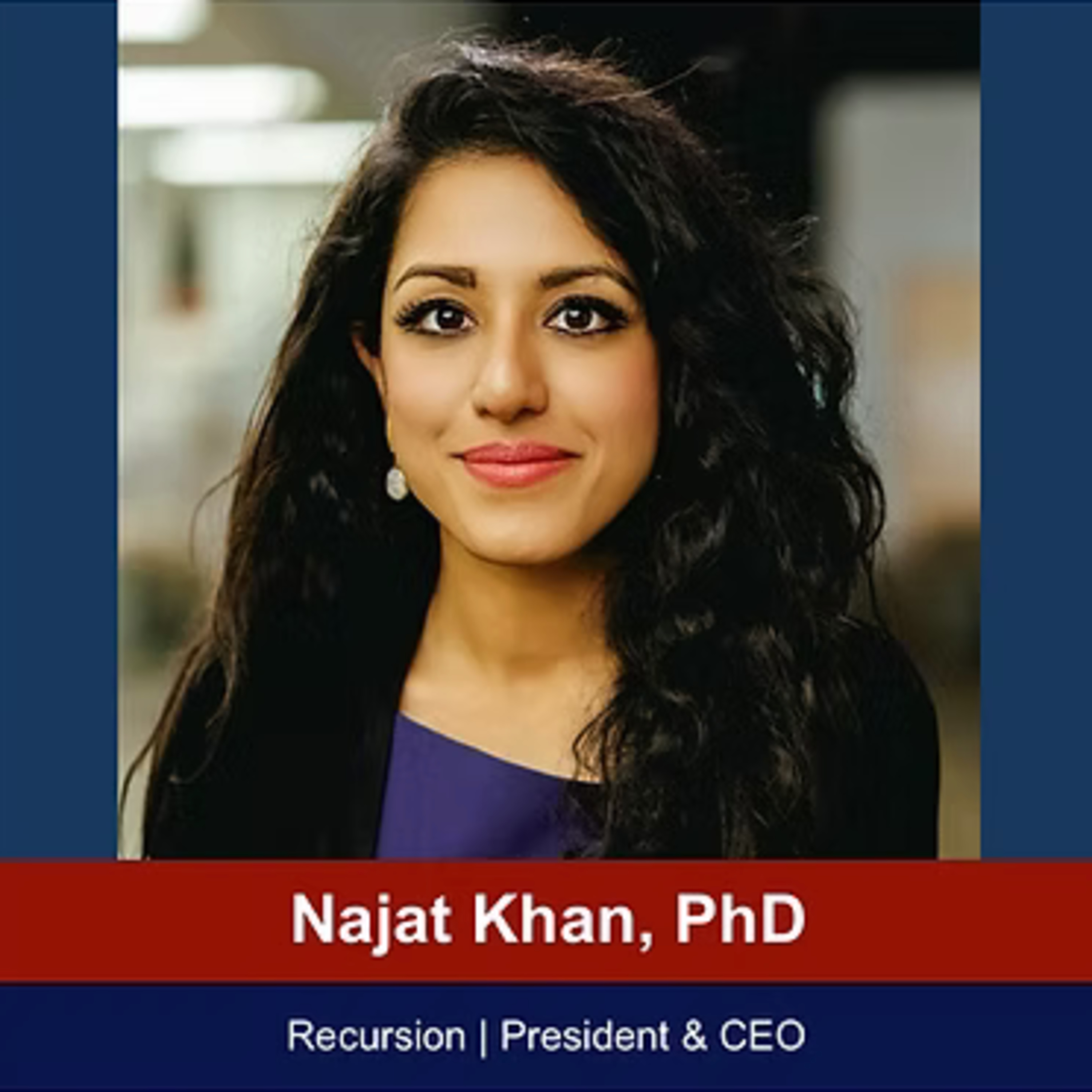
Najat Khan distinguishes between mentors who advise and sponsors who advocate. She argues companies must focus on sponsorship—identifying leaders who will actively champion women when they are not in the room—to create equitable career progression and overcome systemic barriers.