Get your free personalized podcast brief
We scan new podcasts and send you the top 5 insights daily.
To avoid dangerous groupthink when a deal appears overwhelmingly positive, GSP's leadership actively employs a "think again" process. They encourage dissent and re-examination of assumptions, viewing deals where everyone agrees as potentially the most dangerous.

Related Insights
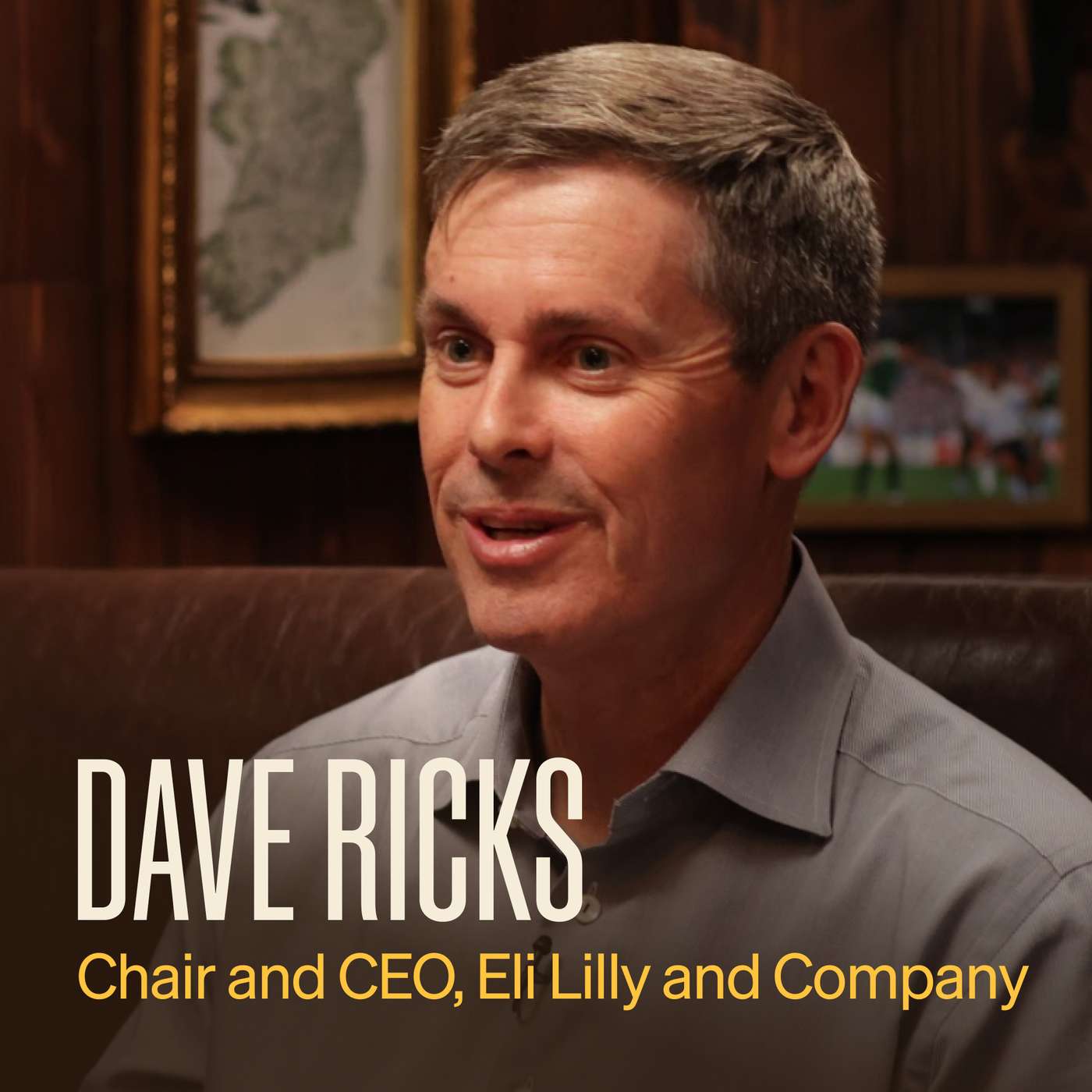
For its handful of major annual decisions, Eli Lilly's leadership team has a rule to never make a final call in the initial meeting. This process intentionally builds in time for reflection, debate, and persuasion.
When presenting a problem statement to a buying group, ask who *disagrees* rather than who agrees. This counter-intuitive approach actively surfaces friction and different points of view early on. Treating these differing opinions as insights to explore, not objections to overcome, helps the group align organically.

At IVP, even when a partner is passionate about a deal, the firm encourages them to 'sleep on it' after a debate. This deliberate pause allows the partner to process the team's feedback without pressure, often leading to a more rational assessment of their own conviction and preventing investments driven by emotion rather than collective wisdom.
To ensure robust decision-making, Eclipse requires that if a partner feels strongly against a potential investment, they must join the deal team alongside the champions. This forces a direct confrontation of the risks and ensures that by the time an investment is made, all major concerns have been addressed.
FanDuel CEO Amy Howe adopted this McKinsey principle, which requires even junior employees to voice contrary opinions. This creates an environment where diverse perspectives are heard, ultimately leading to more robust and well-vetted company decisions.

To improve decision-making, BlackRock's investment committee, guided by a behavioral scientist, uses autonomous voting to prevent peer pressure. It also mandates a non-voting "challenger" to play devil's advocate and champion a pre-mortem perspective, ensuring dissent is valued.

To prevent the first or most senior person from anchoring a conversation, collect everyone's independent analysis in writing first. Only after this information is aggregated should the group discussion begin. This method ensures a wider range of ideas is considered and prevents premature consensus.
Sequoia's internal data shows consensus is irrelevant to investment success. A deal with strong advocates (voting '9') and strong detractors (voting '1') is preferable to one where everyone is mildly positive (a '6'). The presence of passionate conviction, even amid dissent, is the critical signal for pursuing outlier returns.

After the Qwikster failure, Netflix created a framework where executives rate key decisions from -10 to 10 in a shared document. The decision-maker (the "captain") isn't bound by the votes but becomes fully informed of all perspectives, avoiding both groupthink and decision-by-committee.
![Reed Hastings - Building Netflix - [Invest Like the Best, EP.453] thumbnail](https://megaphone.imgix.net/podcasts/2f1ecac4-e4ba-11f0-a8e8-777eb8de0c5a/image/28fb3c25b09448a35f17657a5e614900.jpg?ixlib=rails-4.3.1&max-w=3000&max-h=3000&fit=crop&auto=format,compress)
This advisor's role is not to make decisions but to provide a cool-headed, pragmatic perspective. They test your hypotheses and translate them into practical terms, helping to improve results and limit losses by identifying blind spots before you commit.
