Get your free personalized podcast brief
We scan new podcasts and send you the top 5 insights daily.
As information becomes commoditized by AI, durable investment edge will shift to understanding the complex interactions between geopolitics, technology, and global capital flows. This necessitates on-the-ground human networks that provide nuanced context unavailable in any dataset.

Related Insights
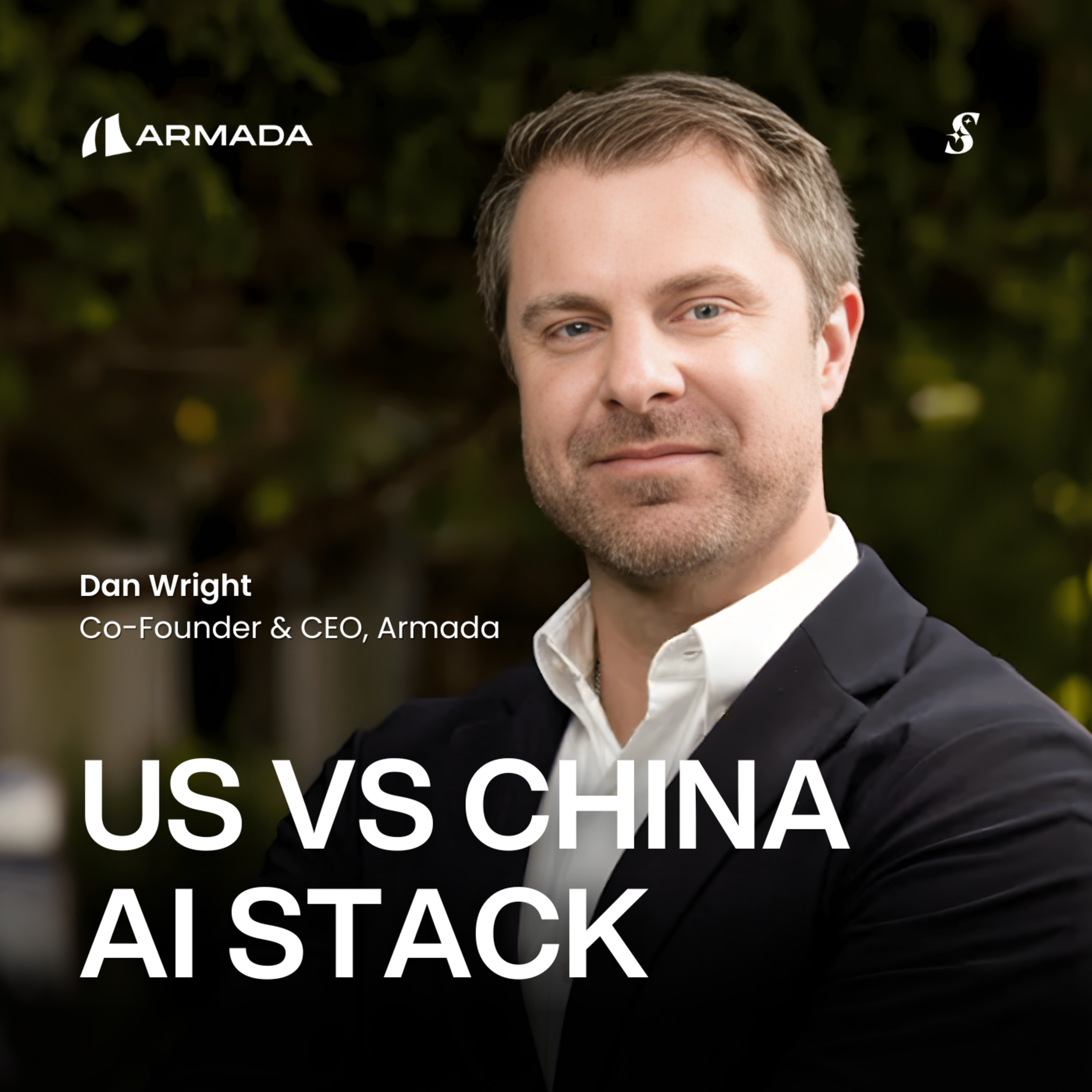
The competition in AI infrastructure is framed as a binary, geopolitical choice. The future will be dominated by either a US-led AI stack or a Chinese one. This perspective positions edge infrastructure companies as critical players in national security and technological dominance.
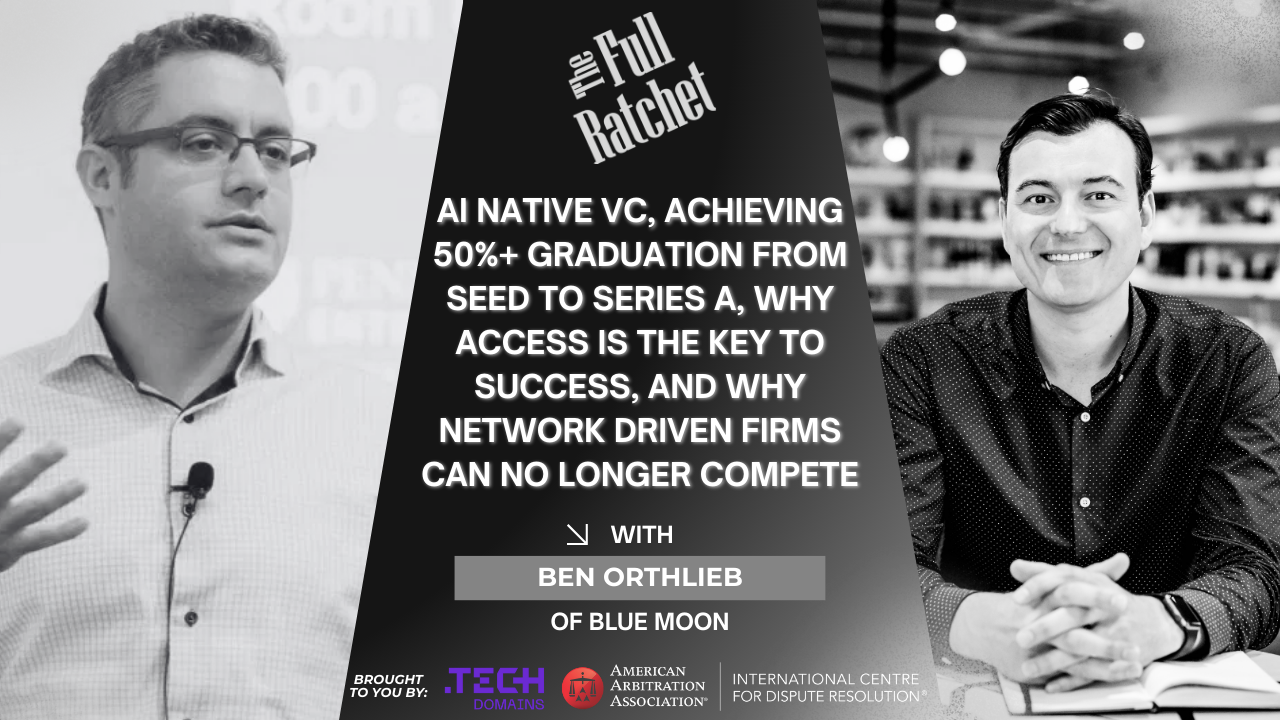
Traditional VC reliance on "differentiated networks" is obsolete as data sources and professional networks are now commodities. To compete, modern VCs must replace this outdated advantage with proprietary intelligence platforms that algorithmically source deals and identify the right signals for where to focus time.
As AI handles analytical tasks like coding and financial modeling, a VC's primary edge will no longer be technical diligence. The ability to discern cultural trends, understand consumer sentiment, and have 'taste' will become the most valuable, defensible skill.

Historically, investment tech focused on speed. Modern AI, like AlphaGo, offers something new: inhuman intelligence that reveals novel insights and strategies humans miss. For investors, this means moving beyond automation to using AI as a tool for generating genuine alpha through superior inference.

The conversation around AI and government has evolved past regulation. Now, the immense demand for power and hardware to fuel AI development directly influences international policy, resource competition, and even provides justification for military actions, making AI a core driver of geopolitics.

The most powerful investment opportunities are not in isolated themes but in their intersections. For example, AI's energy demand shapes national politics, which influences global supply chains and societal outcomes. Understanding these reinforcing forces is key to identifying underappreciated opportunities.

The competition for AI supremacy is a two-country race between the US and China, with all other nations playing peripheral roles. This singular dynamic is so powerful that it will consume global capital and force all other geopolitical issues to align around it, defining the next era of international relations.

AI is commoditizing knowledge by making vast amounts of data accessible. Therefore, the leaders who thrive will not be those with the most data, but those with the most judgment. The key differentiator will be the uniquely human ability to apply wisdom, context, and insight to AI-generated outputs to make effective decisions.

As AI masters the analysis of financial filings and transcripts, the source of investment alpha may shift to information that is difficult for models to process. Qualitative insights from attending conferences, judging a CEO's character via a handshake, or other forms of scuttlebutt could become increasingly valuable differentiators for human investors.

The convergence of AI, energy, and geopolitics is the defining market force. AI's massive power requirements are making energy a strategic national priority, while geopolitical tensions are shaping access to both energy and technology, creating a powerful, interconnected investment theme.
