Get your free personalized podcast brief
We scan new podcasts and send you the top 5 insights daily.
A major friction point in AI is losing context when switching between models like ChatGPT and Claude. The solution is a user-owned, portable "second brain" or memory layer that can be plugged into any underlying AI model, ensuring consistent performance and preventing vendor lock-in.

Related Insights
The most significant switching cost for AI tools like ChatGPT is its memory. The cumulative context it builds about a user's projects, style, and business becomes a personalized knowledge base. This deep personalization creates a powerful lock-in that is more valuable than any single feature in a competing product.

As AI model performance converges, the key differentiator will become memory. The accumulated context and personal data a model has on a user creates a high switching cost, making it too painful to move to a competitor even for temporarily superior features.

Anthropic's promotion of a tool to migrate user "memory" from ChatGPT to Claude challenges the belief that accumulated user context creates a strong competitive moat for LLMs. If a user's personalization and history can be easily transferred via a simple prompt-and-paste file, the cost of switching between AI assistants is significantly reduced.
Relying on the built-in memory of one AI tool creates platform lock-in. A personal intelligence layer must be a separate, portable artifact that you can plug into any model (ChatGPT, Claude, Gemini), ensuring your intellectual capital remains yours and is future-proof.
To combat reliance on a single AI provider, users can build a personal context layer—a collection of documents, data connections, and skill playbooks. This system acts as personal "alpha," allowing any capable AI model to quickly understand a user's context and perform tasks effectively, ensuring portability and reducing vendor lock-in.

The friction of switching AI chatbots comes from losing the model's accumulated knowledge about you. This "context lock-in" makes users hesitant to start over with a new system. A portable, personal context portfolio is the key to breaking this dependency and maintaining user sovereignty over their AI relationships.
The long-term defensibility for AI companies will come from building a deep, personalized memory and context layer for each user. As models commoditize, the platform that best understands and remembers a user's history and preferences will create unbreakable stickiness.

Buzz lets you switch the AI model powering an agent (e.g., from Claude to Codex) while retaining the entire chat history. This eliminates the pain of restarting conversations and re-providing context every time a new, better model is released.

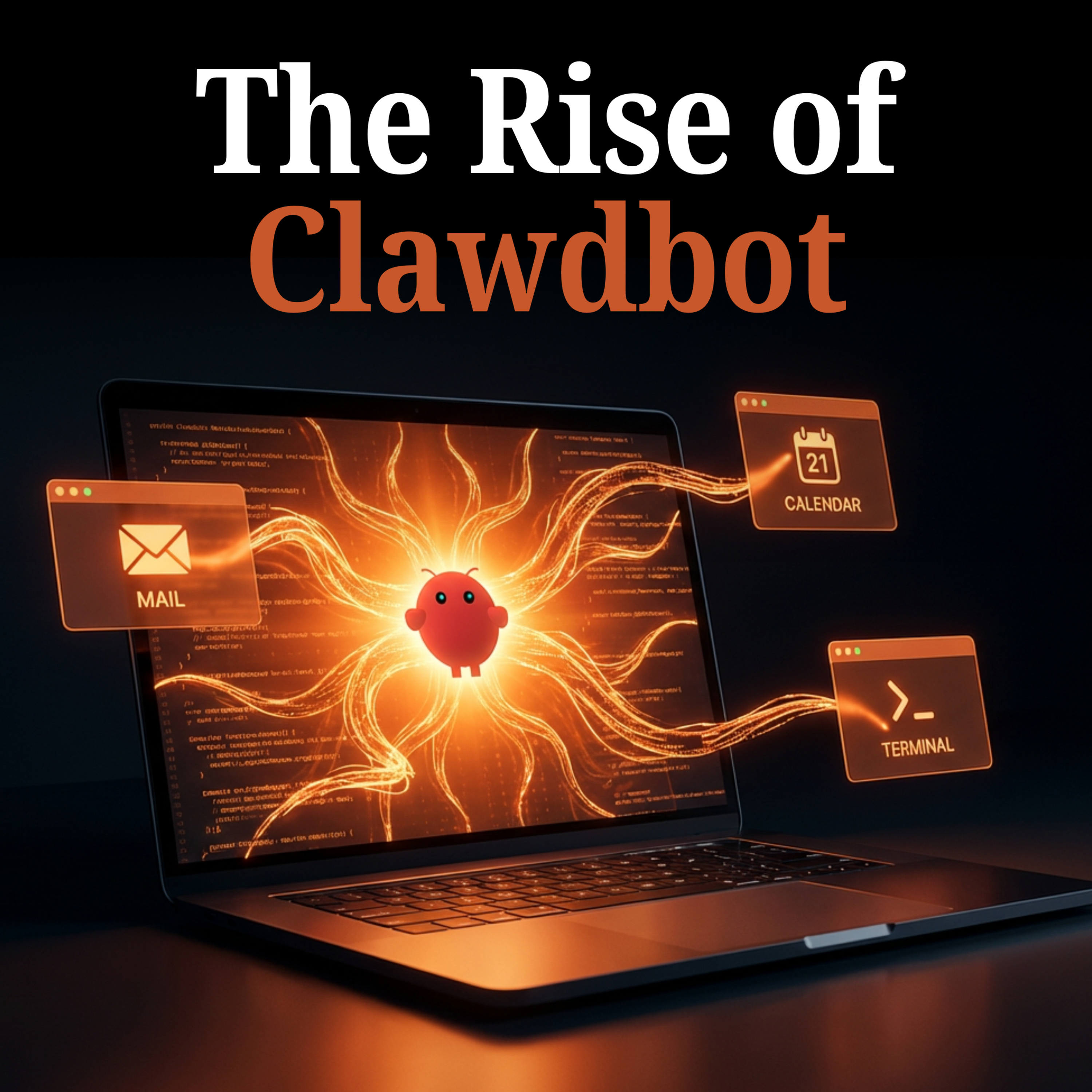
By running on a local machine, Clawdbot allows users to own their data and interaction history. This creates an 'open garden' where they can swap out the underlying AI model (e.g., from Claude to a local one) without losing context or control.
To avoid vendor lock-in with AI tools, users can create a central markdown file (e.g., 'agent.md') that acts as a router. This file points the AI to specific cloud-based documents for context, skills, and project history. This allows for a portable and consistent personal AI system across different models and platforms.
