Get your free personalized podcast brief
We scan new podcasts and send you the top 5 insights daily.
The friction of switching AI chatbots comes from losing the model's accumulated knowledge about you. This "context lock-in" makes users hesitant to start over with a new system. A portable, personal context portfolio is the key to breaking this dependency and maintaining user sovereignty over their AI relationships.

Related Insights
As AI assistants learn an individual's preferences, style, and context, their utility becomes deeply personalized. This creates a powerful lock-in effect, making users reluctant to switch to competing platforms, even if those platforms are technically superior.
With low switching costs between AI models, the only significant user lock-in is the accumulated context and memory within a platform. This "memory moat" may not be sustainable, as its anti-competitive effect could trigger regulatory demands for data transportability, allowing users to export their context to rivals.
The most significant switching cost for AI tools like ChatGPT is its memory. The cumulative context it builds about a user's projects, style, and business becomes a personalized knowledge base. This deep personalization creates a powerful lock-in that is more valuable than any single feature in a competing product.

As AI model performance converges, the key differentiator will become memory. The accumulated context and personal data a model has on a user creates a high switching cost, making it too painful to move to a competitor even for temporarily superior features.
Anthropic's promotion of a tool to migrate user "memory" from ChatGPT to Claude challenges the belief that accumulated user context creates a strong competitive moat for LLMs. If a user's personalization and history can be easily transferred via a simple prompt-and-paste file, the cost of switching between AI assistants is significantly reduced.
The primary competitive vector for consumer AI is shifting from raw model intelligence to accessing a user's unique data (emails, photos, desktop files). Recent product launches from Google, Anthropic, and OpenAI are all strategic moves to capture this valuable personal context, which acts as a powerful moat.
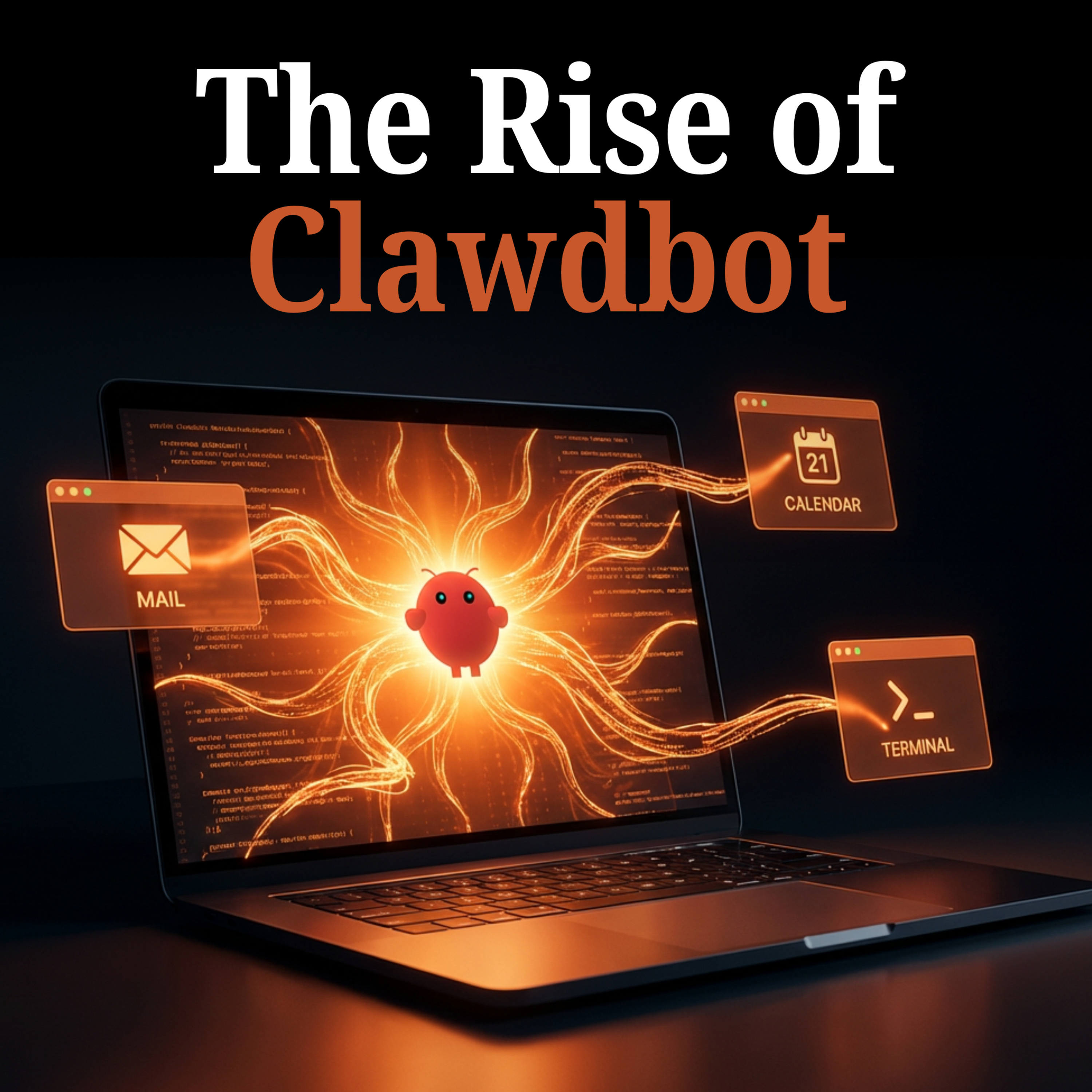
By running on a local machine, Clawdbot allows users to own their data and interaction history. This creates an 'open garden' where they can swap out the underlying AI model (e.g., from Claude to a local one) without losing context or control.
ChatGPT's defensibility stems from its deep personalization over time. The more a user interacts with it, the better it understands them, creating a powerful flywheel. Switching to a competitor becomes emotionally difficult, akin to "ditching a friend."
ChatGPT's 'log in with ChatGPT' strategy will create a powerful compounding advantage. It lets users carry their 'memory' to third-party apps, giving developers personalized context and potentially reducing inference costs, which deeply entrenches ChatGPT as the core AI identity layer for the web.

While personal history in an AI like ChatGPT seems to create lock-in, it is a weaker moat than for media platforms like Google Photos. Text-based context and preferences are relatively easy to export and transfer to a competitor via another LLM, reducing switching friction.
