Get your free personalized podcast brief
We scan new podcasts and send you the top 5 insights daily.
PDD's Consumer-to-Manufacturer (C2M) model aggregates demand through group buys, then places bulk, white-label orders directly with factories. This eliminates brand, distribution, and wholesale costs, and minimizes inventory risk for manufacturers.

Related Insights
The Chinese e-commerce market is not a winner-take-all environment. Consumers choose platforms based on specific scenarios—JD for high-quality electronics, PDD for cheap daily goods—which allows for the coexistence of multiple dominant players.
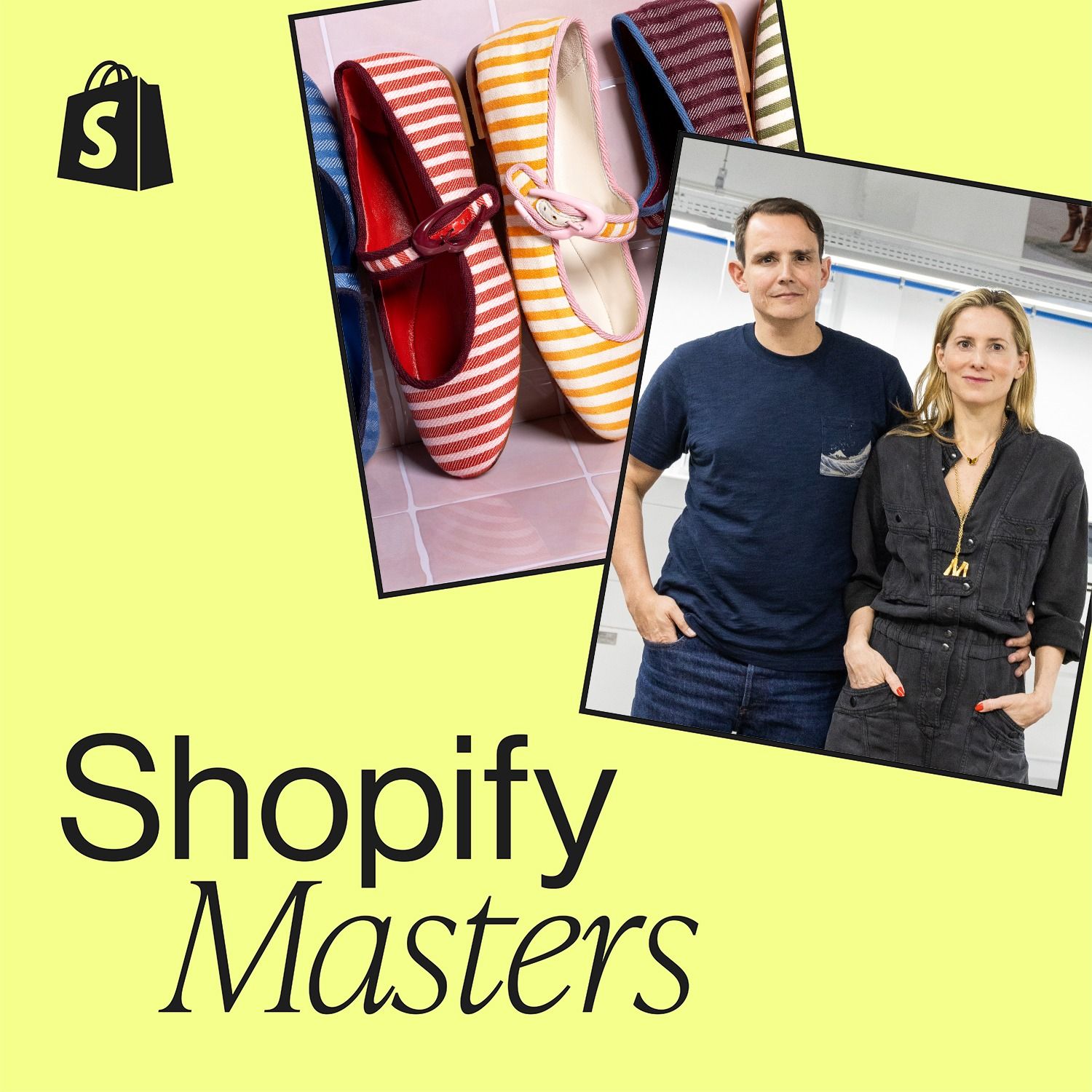
Instead of discounting old inventory, Larroudé offers a pre-order discount on new collections, similar to an early-bird airline ticket. This "direct-to-demand" model incentivizes customers to commit early, which funds production, eliminates excess inventory risk, and improves the brand's cash flow and profitability.
PDD's grocery service uses local "community leaders" to aggregate neighborhood orders. All groceries are then delivered to a single pickup point, eliminating the prohibitive cost of individual last-mile delivery for low-margin items.
You don't need massive scale to achieve group-purchasing power. By finding another company with a similar order and simply doubling the volume presented to a factory, a sourcing platform can negotiate price drops of 20-30%. This makes demand aggregation highly effective even at an early stage.
PDD's model allows users to unlock deep discounts by forming shopping teams. This inherently incentivizes them to share links and recruit others, creating a powerful, low-cost customer acquisition loop that competitors lack.
CPG brands are often beholden to large retailers' demands for fees and marketing spend. The rise of live shopping, a massive trend in Asia, provides a powerful direct-to-consumer channel that can rebalance negotiating power back toward the brands.

For D2C fashion brands, the inability of third-party suppliers to quickly fulfill reorders on trending products is a key trigger for vertical integration. Larroudé's co-founder realized the cost of one large factory order was equivalent to buying the machinery himself, enabling them to meet demand in weeks, not months.
Small merchants are often ignored by large manufacturers who cannot economically handle small-drop logistics or underwrite short-term credit. A B2B wholesale platform can build a strong moat by solving these two problems, becoming an indispensable intermediary that the two sides cannot easily bypass.

While Alibaba and JD focused on affluent coastal consumers, PDD targeted the massive, underserved population in tier-three and below cities. This value-conscious, newly mobile-first market represented an enormous growth opportunity.
Fast-fashion retailer Shein avoids the perpetual sales common in retail by limiting its factory purchase orders to a maximum of 200 items per style. This prevents overstocking and the need to dump excess inventory at a discount, protecting its margins.
