Get your free personalized podcast brief
We scan new podcasts and send you the top 5 insights daily.
To differentiate in the metal supply industry, NOX Metals treats its brand as a moat. This starts internally by giving software projects epic names like "Praetorian" and "Gondor" and calling a truck the "War Rig," fostering a unique, powerful culture that attracts talent.
Related Insights
The ultimate PLG companies are consumer brands like shampoo, which sell on brand affinity, not commoditized features. As software becomes more commoditized, B2B companies must similarly build a strong brand theme that inspires users to associate with them, creating a more durable moat than features alone.

When a physical product has low technical barriers to entry and can be easily copied, the only sustainable competitive advantage is a strong brand. Founders must focus on building a community and identity that competitors cannot replicate.

Culture is a strategic tool, not just a set of values. It must be designed to reinforce your specific competitive moat. Amazon’s frugal culture supports its low-price leadership, while Apple's design-obsessed culture supports its premium brand.

While moats like economies of scale require significant time and capital, a strong brand can be built primarily with skill. By consistently delivering on promises and creating powerful associations, even new businesses can build a durable advantage that allows them to charge premium prices and win against larger, better-funded incumbents.

When products have similar features, stop obsessing over minor differences. Instead, invest in unique brand assets (visuals, sound, mascots) to create lasting memory structures in your buyers' minds and secure a spot on their shortlist.

In commoditized industries like energy, customers are accustomed to poor service and non-existent brands. Base identifies this as a massive opportunity. By focusing on creating the first "beloved brand in energy," they aim to build a powerful competitive moat that incumbents cannot easily replicate.
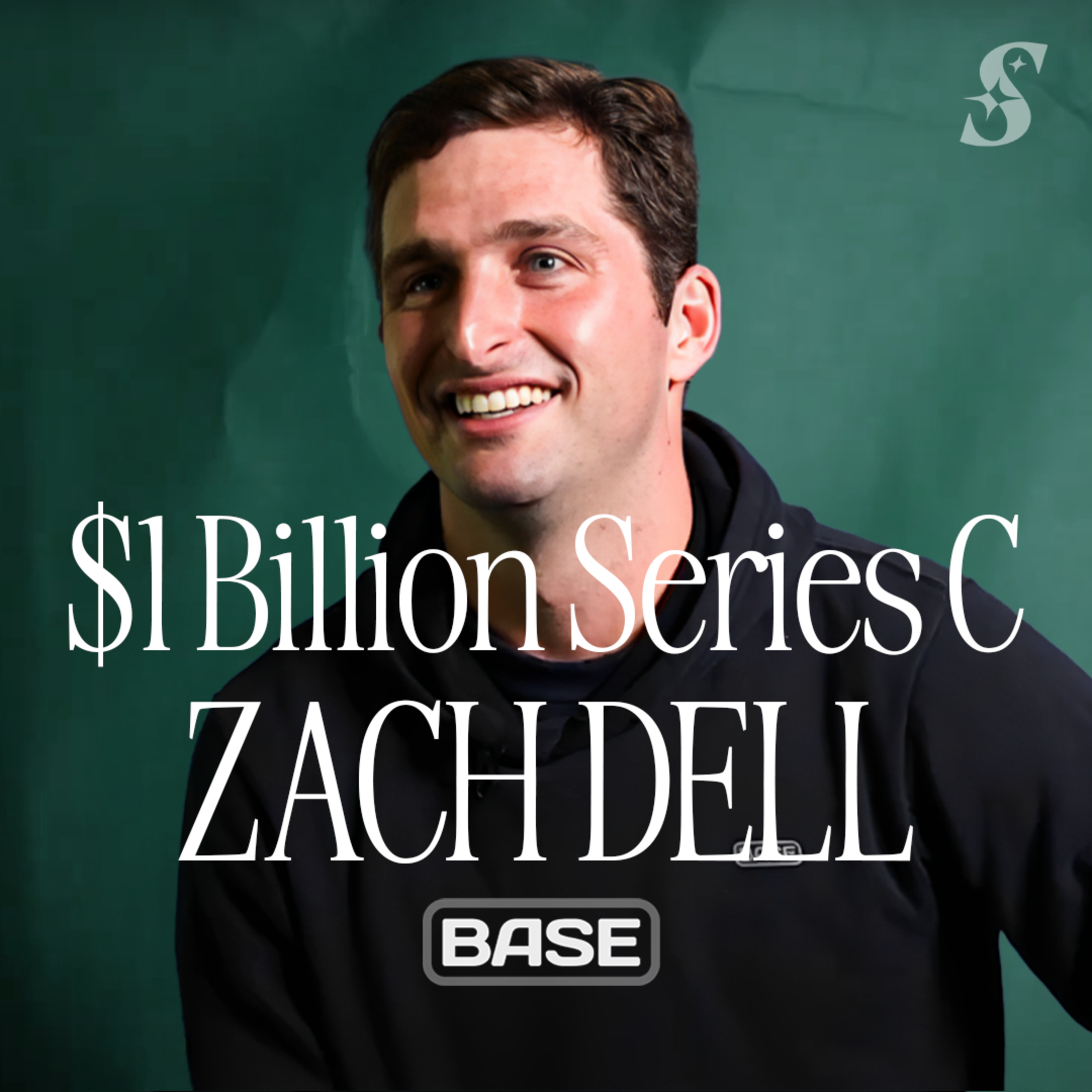
A brand isn't just an identity; it becomes a competitive moat only when it directly influences purchase decisions. The true test is when a customer buys your product *because* of the brand, even if it's more expensive, has fewer features, or is otherwise inferior on paper.

In a crowded market, brand is defined by the product experience, not marketing campaigns. Every interaction must evoke the intended brand feeling (e.g., "lovable"). This transforms brand into a core product responsibility and creates a powerful, defensible moat that activates word-of-mouth and differentiates you from competitors.

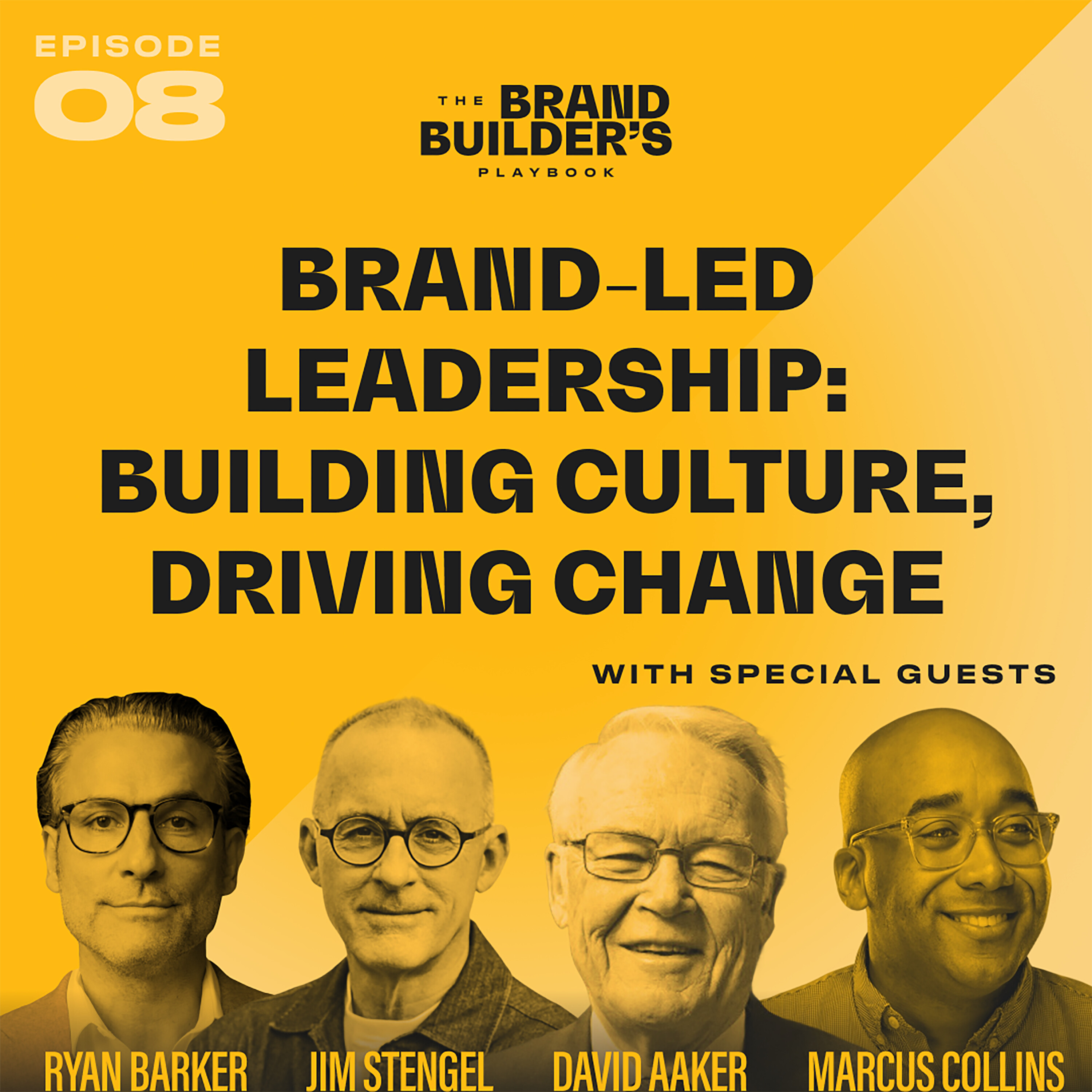
David Aaker identifies a simple, powerful tactic: ask your team what makes the company special—its "secret sauce"—and turn that into a formal brand asset. He argues even abstract concepts, like a unique way of treating people, can be branded (e.g., "the HP way") to create a potent, ownable differentiator.
A brand can make a generic product unique, commanding higher prices and loyalty. Products may come off the same manufacturing line as a generic store brand, but the brand itself allows for a price premium, higher conversion, and increased stickiness, effectively creating a moat where one didn't exist.
