Get your free personalized podcast brief
We scan new podcasts and send you the top 5 insights daily.
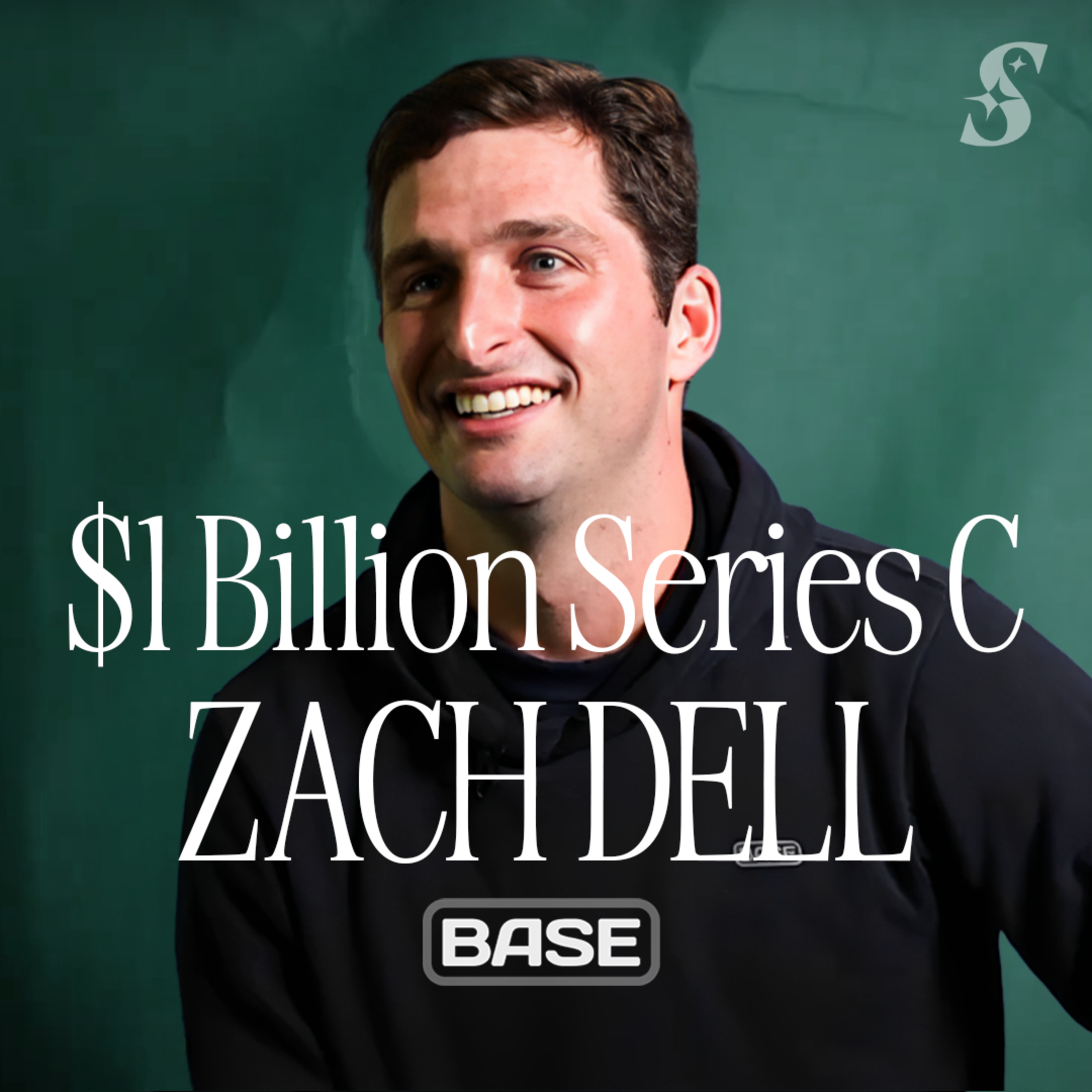
In commoditized industries like energy, customers are accustomed to poor service and non-existent brands. Base identifies this as a massive opportunity. By focusing on creating the first "beloved brand in energy," they aim to build a powerful competitive moat that incumbents cannot easily replicate.
Related Insights
The ultimate PLG companies are consumer brands like shampoo, which sell on brand affinity, not commoditized features. As software becomes more commoditized, B2B companies must similarly build a strong brand theme that inspires users to associate with them, creating a more durable moat than features alone.

The fundamental goal is to become a "better competitive alternative" for a specific customer—being so superior that they bypass competitors to choose you. Achieving this state is the business equivalent of the house advantage in a casino (“the house vig”) and the only reliable way to build a lasting enterprise.

Many companies claim customer-centricity, but few are willing to provide value to a degree that seems unbalanced. This relentless focus on the end-user, whether in product, service, or content, is a rare and powerful competitive advantage that builds a sustainable brand.

For communities or companies like Dave Gerhardt's Exit 5, the founder's personal brand can become the primary differentiator. This creates a 'category of one' in the customer's mind (e.g., 'The Dave Gerhardt Community'), making direct comparisons difficult and establishing a powerful moat that transcends feature-based competition.

When technology is no longer a differentiator, as seen in the crowdfunding space, a company's brand, positioning, and core values are the only way to stand out and attract customers. GiveForward succeeded by positioning itself around compassion and joy.
A sustainable competitive advantage is often rooted in a company's culture. When core values are directly aligned with what gives a company its market edge (e.g., Costco's employee focus driving superior retail service), the moat becomes incredibly difficult for competitors to replicate.
![[REPLAY] Paul Black - Gratitude, Fun, and Growth Stocks (Capital Allocators, EP.51) thumbnail](https://static.libsyn.com/p/assets/f/b/7/6/fb76e1c8bfb69e8dd959afa2a1bf1c87/CA_Square_logo_light_background_6.26.24.jpg)
As AI commoditizes technology, traditional moats are eroding. The only sustainable advantage is "relationship capital"—being defined by *who* you serve, not *what* you do. This is built through depth (feeling seen), density (community belonging), and durability (permission to offer more products).

In a crowded market, brand is defined by the product experience, not marketing campaigns. Every interaction must evoke the intended brand feeling (e.g., "lovable"). This transforms brand into a core product responsibility and creates a powerful, defensible moat that activates word-of-mouth and differentiates you from competitors.

Sustainable scale isn't just about a better product; it's about defensibility. The three key moats are brand (a trusted reputation that makes you the default choice), network (leveraged relationships for partnerships and talent), and data (an information advantage that competitors can't easily replicate).

Move beyond listing features and benefits. The most powerful brands connect with customers by selling the emotional result of using the product. For example, Swishables sells 'confidence' for a meeting after coffee, not just 'liquid mouthwash.' This emotional connection is the ultimate brand moat.
