Get your free personalized podcast brief
We scan new podcasts and send you the top 5 insights daily.
The insurance-float investment model isn't copied more because it requires a principal's mindset. Agents must constantly explain decisions and get buy-in, constraining independent action. Principals, acting as if it's their own money, can endure the psychological discomfort of being different from the herd.
Related Insights
Fund managers are like zebras. Those in the middle (owning popular stocks) are safe from predators (getting fired), even if performance is mediocre. Those on the outside (owning unfamiliar stocks) find better grass (higher returns) but risk being the first ones eaten if an idea fails. This creates an institutional imperative to stay with the consensus.
The key to emulating professional investors isn't copying their trades but understanding their underlying strategies. Ackman uses concentration, Buffett waits for fear-driven discounts, and Wood bets on long-term innovation. Individual investors should focus on developing their own repeatable framework rather than simply following the moves of others.

Many S&P 500 companies optimize for short-term efficiency through high leverage and lean operations, making them fragile in a crisis. Berkshire Hathaway prioritizes endurance and durability, maintaining a 'lazy' balance sheet with excess cash. This sacrifices peak efficiency for the ability to withstand and capitalize on systemic shocks that cripple over-optimized competitors.

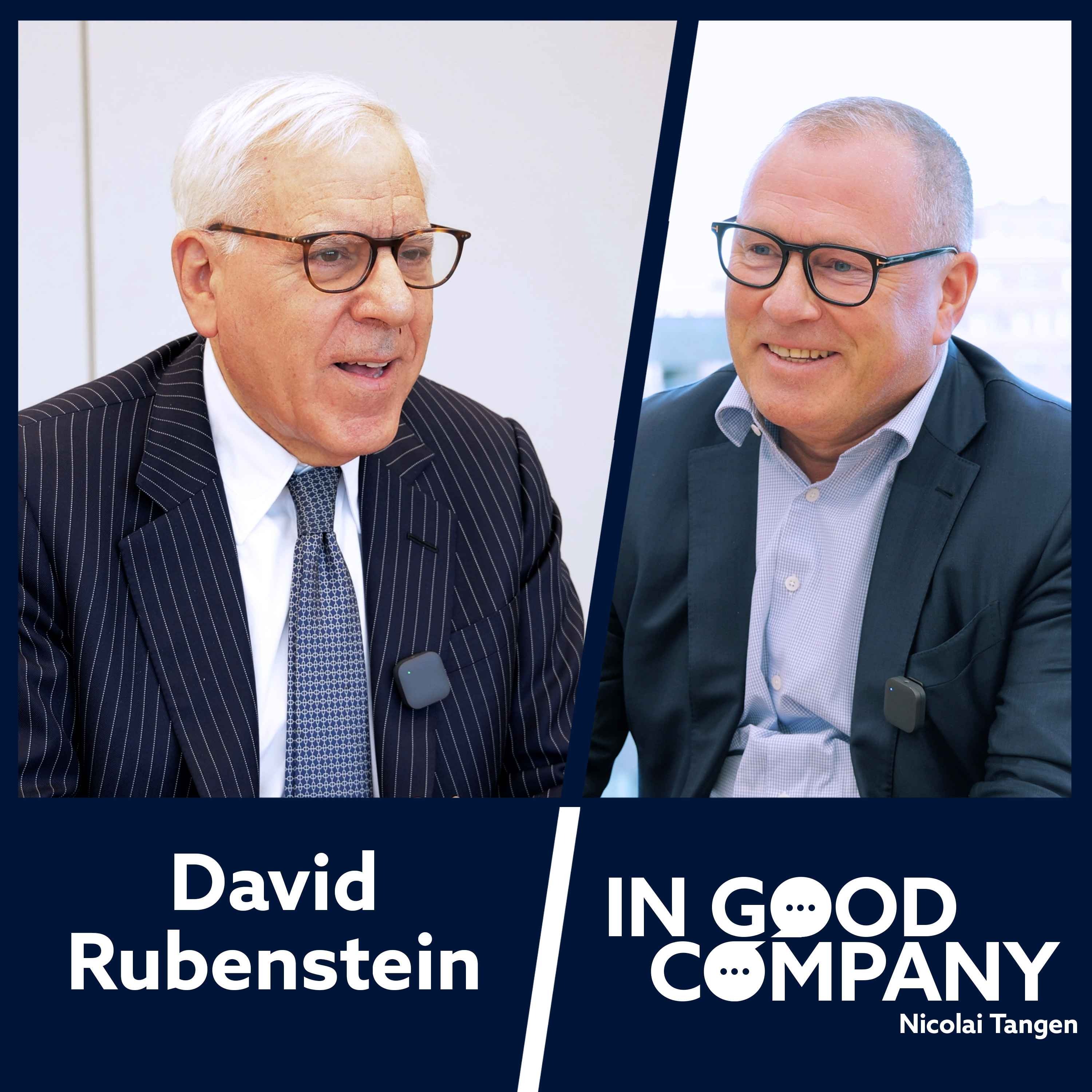
To achieve above-average investment returns, one cannot simply follow the crowd. True alpha comes from contrarian thinking—making investments that conventional wisdom deems wrong. Rubenstein notes the primary barrier is psychological: overcoming the innate human desire to be liked and the fear of being told you're 'stupid' by your peers.
Great investment ideas are often idiosyncratic and contrary to conventional wisdom. A committee structure, which inherently seeks consensus and avoids career risk, is structurally incapable of approving such unconventional bets. To achieve superior results, talented investors must be freed from bureaucratic constraints that favor conformity.

Founder Jack Bogle noted Vanguard's investor-owned structure was never copied because "there's no money in it" for external shareholders. The model's core competitive advantage is its inherent unprofitability for anyone but the end customer, making it unattractive for competitors.

To identify non-consensus ideas, analyze the founder's motivation. A founder with a deep, personal reason for starting their company is more likely on a unique path. Conversely, founders who "whiteboarded" their way to an idea are often chasing mimetic, competitive trends.
While Buffett viewed Bitcoin as useless for not producing cash flow, Bill Miller questioned the premise itself. He asked, "Who said the goal... is to own assets that generate cash? I thought the goal was to make money." This first-principles, philosophical thinking is a major competitive advantage.
Proven operating models like the Danaher Business System aren't widely adopted for three reasons: they require immense discipline, their benefits take years to materialize (conflicting with short-term PE fund timelines), and most investors lack the hands-on operating experience to implement them credibly.
The romanticized idea of a dramatic "investment committee" meeting is a myth. The most effective investment process is collaborative and iterative, where an idea is pitched early and gains momentum across the firm over time. The formal meeting becomes a rubber stamp for a decision that has already been organically reached.
