Get your free personalized podcast brief
We scan new podcasts and send you the top 5 insights daily.
While China's control over rare earths is a known risk, the U.S. is equally dependent on China for common but critical goods like car seats and children's books. An export ban on these seemingly non-strategic items could create immediate and widespread political pressure.

Related Insights
The strategic competition with China is often viewed through a high-tech military lens, but its true power lies in dominating the low-tech supply chain. China can cripple other economies by simply withholding basic components like nuts, bolts, and screws, proving that industrial basics are a key geopolitical weapon.

The shift to a less adversarial China policy may be a strategic maneuver to avoid supply chain disruptions. The U.S. appears to be biding its time—likely for 5+ years—to wean itself off dependence on Chinese rare earth minerals, which are critical for both industry and defense manufacturing.

China's dominance isn't limited to rare earths; it accounts for 35% of global manufacturing—three times the US. This industrial might gives it the theoretical ability to apply similar coercive licensing regimes in sectors from EVs to renewable energy, posing a systemic risk.
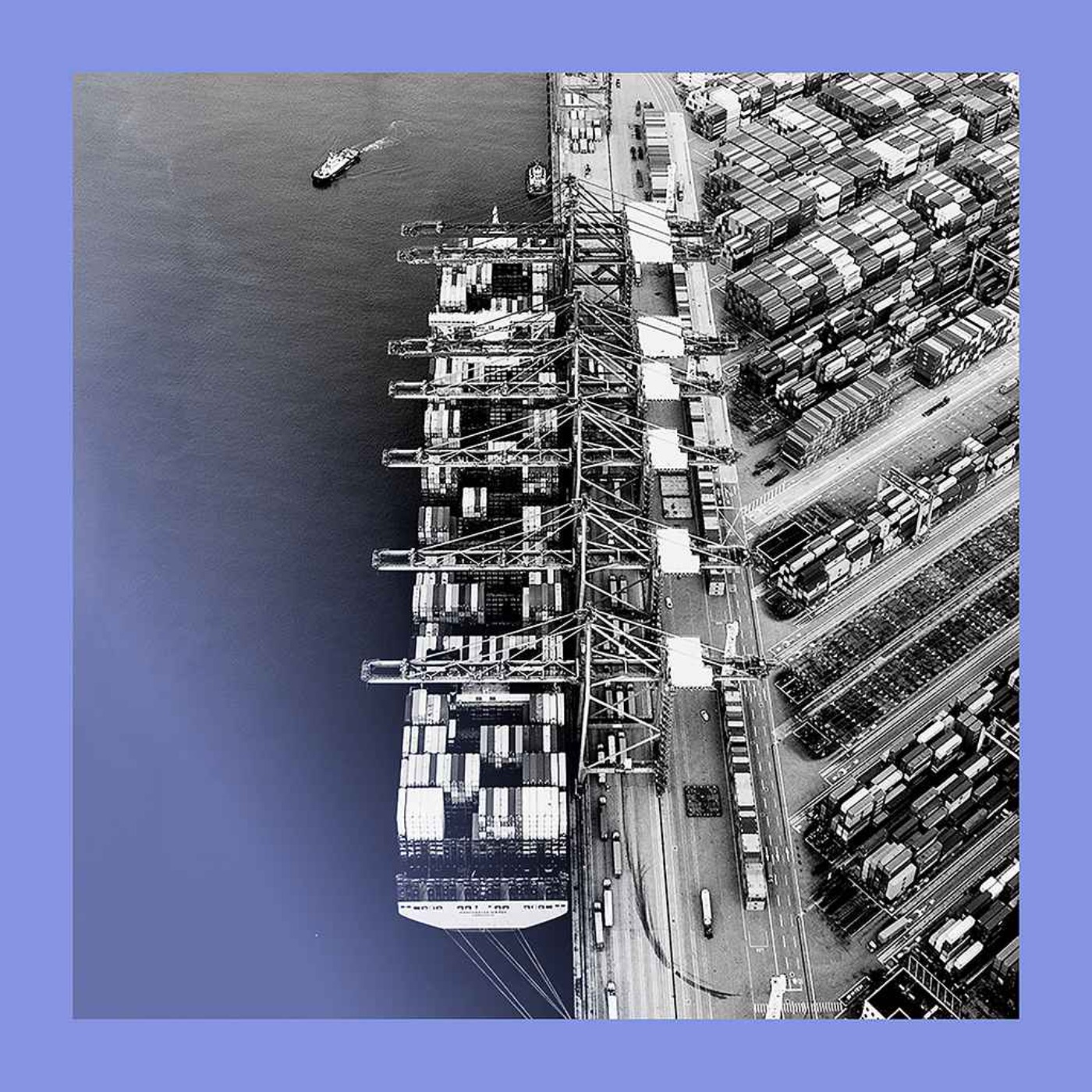
China demonstrated its significant leverage over the U.S. by quickly pressuring the Trump administration through a partial embargo on rare earth metals. This showcased a powerful non-tariff weapon rooted in its control of critical mineral supply chains, which are also vital for defense applications.

While headlines focus on advanced chips, China’s real leverage comes from its strategic control over less glamorous but essential upstream inputs like rare earths and magnets. It has even banned the export of magnet-making technology, creating critical, hard-to-solve bottlenecks for Western manufacturing.

The Nexperia dispute reveals China's strategic leverage. By controlling the supply of mid-tech chips for basic car functions like airbags and windows, Beijing can cripple major European automakers, demonstrating its influence over global supply chains beyond just high-end tech.
China is restricting exports of essential rare earth minerals and EV battery manufacturing equipment. This is a strategic move to protect its global dominance in these critical industries, leveraging the fact that other countries have outsourced environmentally harmful mining to them for decades.

The U.S. reactively chases news headlines (like rare earths) without a rigorous framework to identify its most critical dependencies. Policymakers have not prioritized whether to secure wartime supply chains or mitigate China's leverage over consumer goods that could spark domestic political crises.
Despite escalating rhetoric, the U.S. and China are unlikely to fully decouple their supply chains. Their relationship is maintained by a fragile equilibrium where the U.S. provides semiconductor chips in exchange for China's critical rare earth minerals, making a return to the status quo the most probable outcome.

The latest US-China trade talks signal a shift from unilateral US pressure to a negotiation between equals. China is now effectively using its control over critical exports, like rare earth minerals, as a bargaining chip to compel the U.S. to pause its own restrictions on items like semiconductors.
