Get your free personalized podcast brief
We scan new podcasts and send you the top 5 insights daily.
During fundraising, Drata's founder clearly stated that the company would never be the most important thing in his life, prioritizing his family. Instead of being a red flag, investors saw this as a sign of maturity and a reason the venture would succeed.

Related Insights
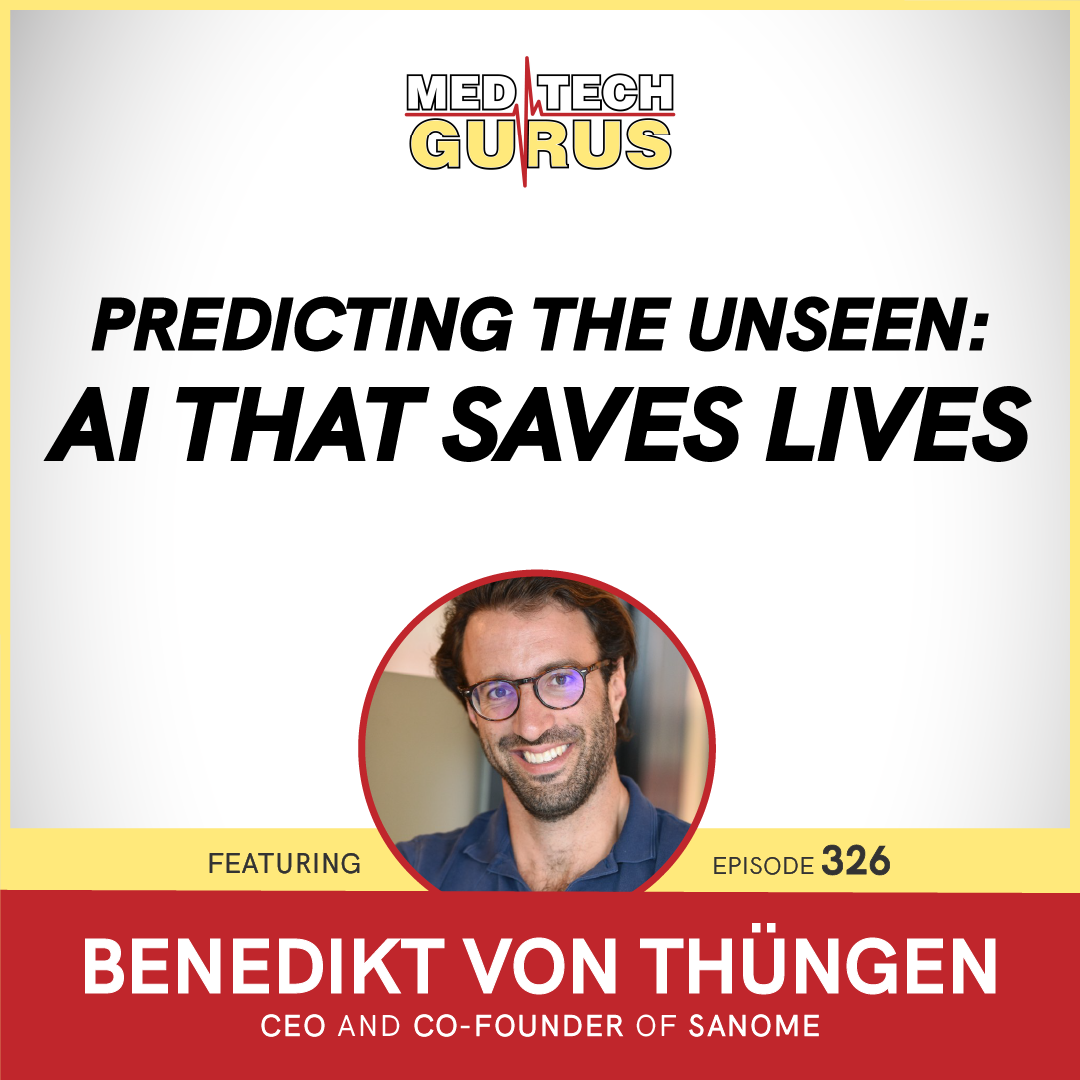
The CEO's motivation to solve GI health issues stemmed directly from his daughter's Crohn's disease and family history of colon cancer. This personal mission was critical for enduring the difficult early stages of the company before securing any funding.

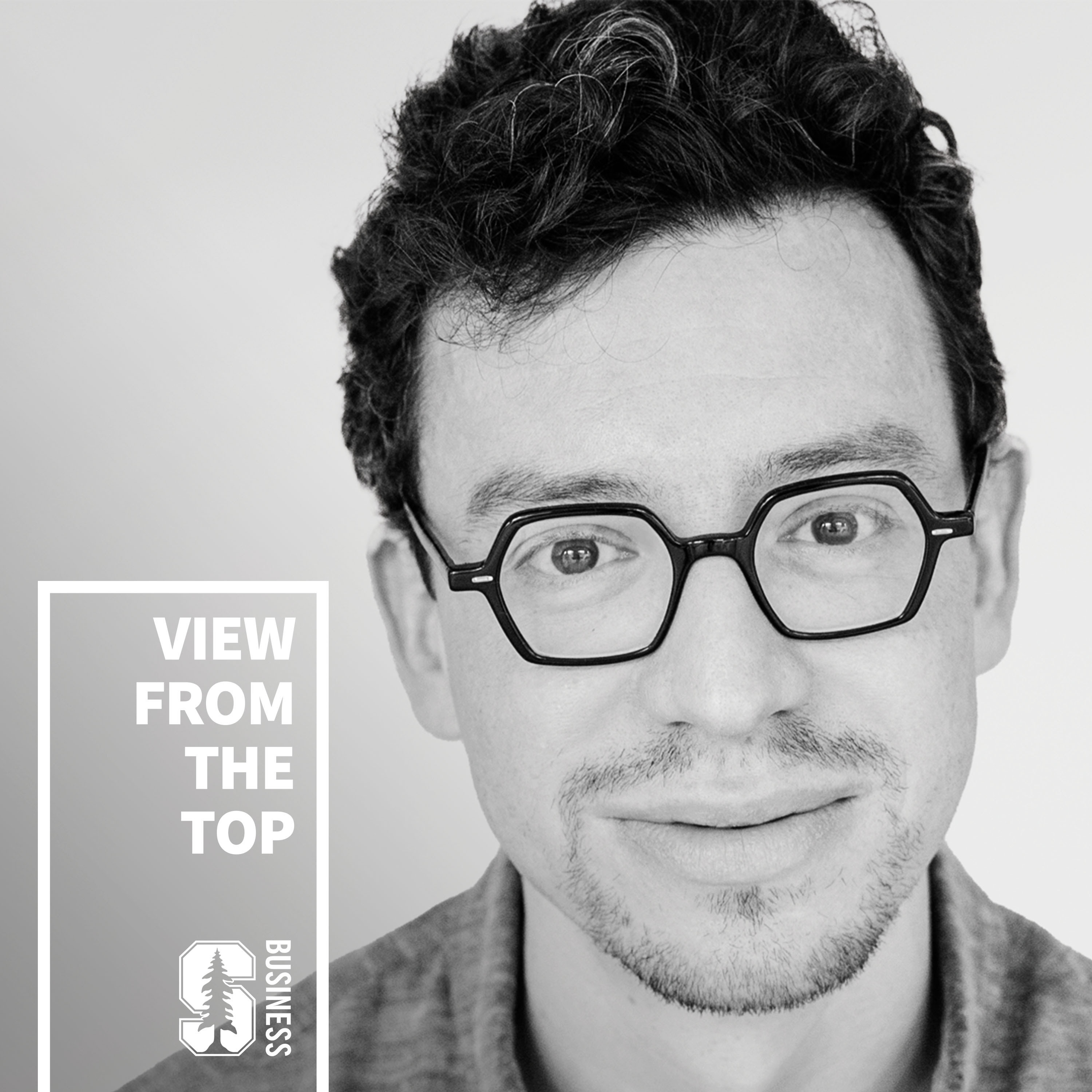
Duolingo's first investors admitted they didn't believe in the education market, which they considered a bad business. They invested solely because founder Luis von Ahn had a previous successful exit to Google, demonstrating that a founder's track record can be more persuasive to early VCs than the business idea itself.
ProKidney's significant funding from co-founder Pablo Legorreta and investor Carlos Slim was driven by their direct family experiences with kidney disease. This shows that for high-risk, long-term biotech ventures, a deep personal connection to the mission can be a more powerful motivator for investors than purely financial interest.

Fundraising isn't a single transaction. A top Japanese VC prefers to invest in founders he's known for over two years, valuing trust built through long-term relationships over a polished fundraising pitch.

While you don't need to be a parent to start a family-focused business, you must compensate for this blind spot. An investor would scrutinize a non-parent founder's early hires to ensure parents are on the team and have direct access and influence over key decisions.

While assessed during diligence, the true caliber of a founder—their passion, authenticity, and ability to "run through walls"—becomes starkly clear after the deal closes. This distinction is not subtle; the impact of a truly exceptional founder versus an average one is immediately evident in the business's trajectory.

After personal tragedies caused a seed round to collapse, the founder's openness with investors and decision to self-fund the company demonstrated extreme resilience. This convinced his team to stay and even brought back previous investors, showcasing that founder conviction is a powerful signal.
VCs can handle pivots and financial struggles. Their primary nightmare is a founder who quits. A startup's ultimate survival hinges on the founder's psychological resilience and refusal to give up, not just market or product risk.
While ambition was a factor, the primary motivators for Kukun's founder to leave a high-paying consulting job were non-financial. He wanted to stop constant travel to be present for his growing children and to build something tangible he could "finish," unlike consulting projects. This highlights that lifestyle can be a stronger driver than pure entrepreneurial zeal.

The most driven entrepreneurs are often fueled by foundational traumas. Understanding a founder's past struggles—losing family wealth or social slights—provides deep insight into their intensity, work ethic, and resilience. It's a powerful, empathetic tool for diligence beyond the balance sheet.
![Martín Escobari - Inside General Atlantic - [Invest Like the Best, EP.449] thumbnail](https://megaphone.imgix.net/podcasts/90e6e3e6-c984-11f0-ae5f-27bb851bdc56/image/608fac468f77cb3014e96336896d96de.jpg?ixlib=rails-4.3.1&max-w=3000&max-h=3000&fit=crop&auto=format,compress)