Get your free personalized podcast brief
We scan new podcasts and send you the top 5 insights daily.
Fila Manila found that while 80% of its customers are non-Filipino, the passionate 20% from the Filipino-American community act as powerful "cheerleaders." This core group drives social media buzz and word-of-mouth, effectively becoming the brand's most potent marketing engine.

Related Insights
Instead of using traditional celebrity endorsements, Square's 'See You in the Neighborhood' campaign heroes its actual customers. This approach treats local business owners as influential figures in their own right, lending unparalleled authenticity and relevance to the campaign's storytelling.
Analysis of Instagram stats showed the founder that posts featuring her, sharing behind-the-scenes content, and involving customers in decisions generate the most engagement. This validates the strategy of deeply intertwining the founder's personal identity with the brand.

The sign of a truly “culty” brand is when customers integrate it into their core identity. A simple test is to ask: would a user proudly display their affiliation with your company in their social media bio? This signifies a shift from a transactional customer relationship to one where users are members and evangelists of a movement.

For 10 years, Red Wing has maintained "The Crew," a consistent group of 20 loyalist customers. They connect monthly via calls with product and marketing teams, providing ruthless and authentic feedback that directly shapes strategy, far beyond what traditional focus groups can offer.

To achieve authentic, word-of-mouth growth, Olipop's social media strategy intentionally relies on real customers. A full 70% of its content creators are first-timers, not professional influencers. This ensures the brand's messaging feels genuine and resonates with its audience, fostering high brand affinity.
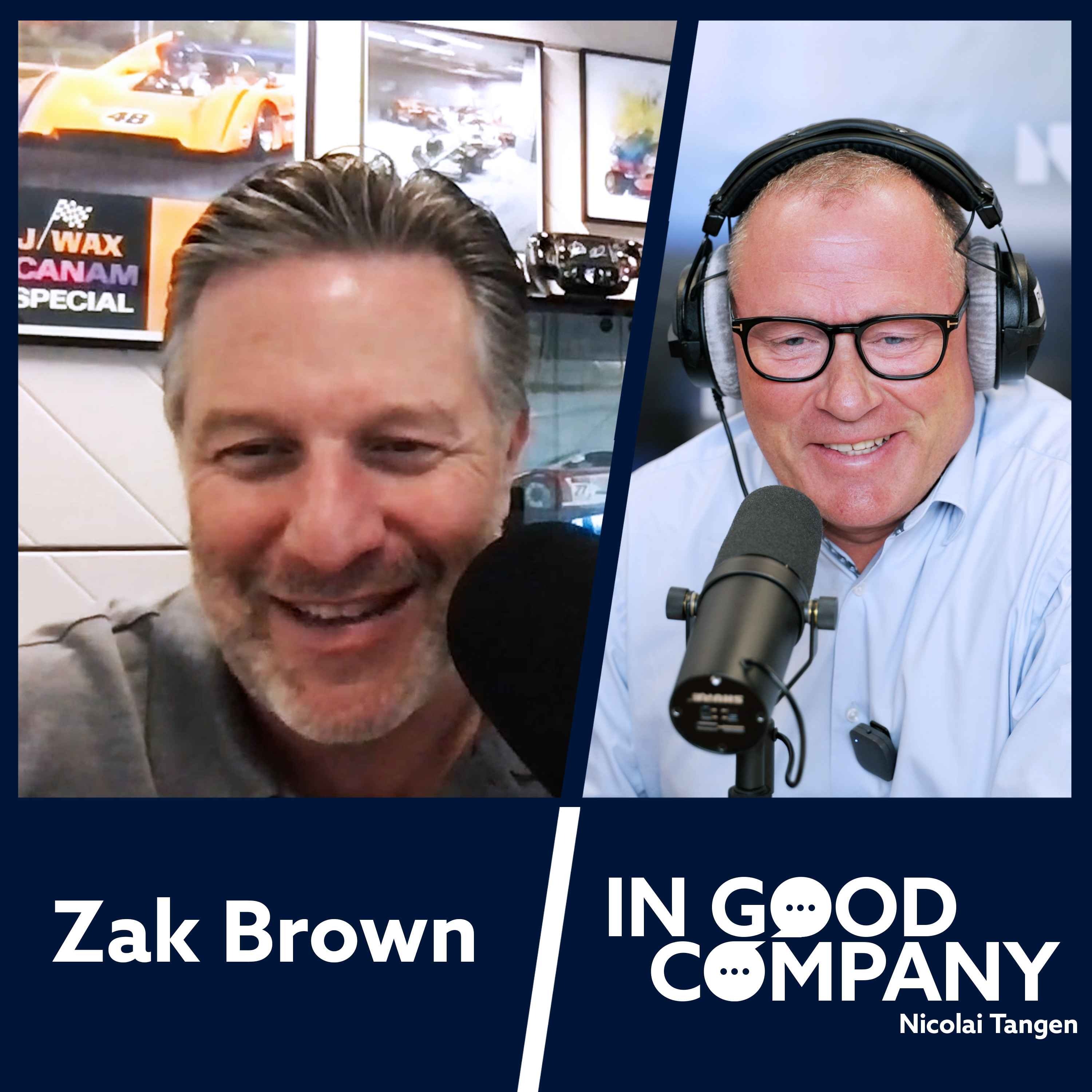
Recognizing that the vast majority of its fanbase will never see a race in person, McLaren invests heavily in bringing the experience to them. This includes large-scale free public events and ensuring drivers are accessible, turning passive viewers into active community members.
The pinnacle of branding is achieving "tribal belonging." At this stage, customers don't just consume the brand; they co-own it and become its most powerful advocates. The brand's community can sustain its power even in the absence of the core product.

Frito-Lay's Flamin' Hot brand moves beyond simple influencer marketing by studying and collaborating with obsessed subcultures. This approach informs not only marketing campaigns, like a song with Megan Thee Stallion, but also its core product innovation pipeline, making marketing a byproduct of deep cultural integration.
Recognizing that only 1% of its fanbase ever attends a race, McLaren focuses its marketing on the other 99%. The team invests heavily in free public events and digital engagement, even changing its iconic car color based on fan feedback, to build a loyal global brand far beyond the racetrack.

Co-founder Sarah Foster reveals that micro-influencers with authentic, engaged audiences have been far more effective at driving sales than celebrities with millions of followers. This highlights the superior ROI of niche creators who have built genuine trust within their communities, proving reach doesn't always equal results.
