Get your free personalized podcast brief
We scan new podcasts and send you the top 5 insights daily.
Sam Harris argues Trump's appeal stems from his utter lack of pretense about his amorality. Unlike other politicians who are vulnerable to charges of hypocrisy, Trump's shamelessness creates a perverse authenticity that resonates with voters tired of political pretense.

Related Insights
Harris advocates for never lying, arguing that even "white lies" create unnecessary cognitive load and social costs. The only exception is in situations where violence is appropriate, like self-defense. This isn't about blurting out every thought, but about maintaining integrity by closing the gap between your inner self and your public persona.

People are more infuriated by hypocrisy than by open corruption. Because a figure like Trump doesn't pretend to adhere to any ethical norms, he can't be accused of being a hypocrite. This blatant shamelessness acts as a shield, making traditional attacks based on norm violations ineffective.
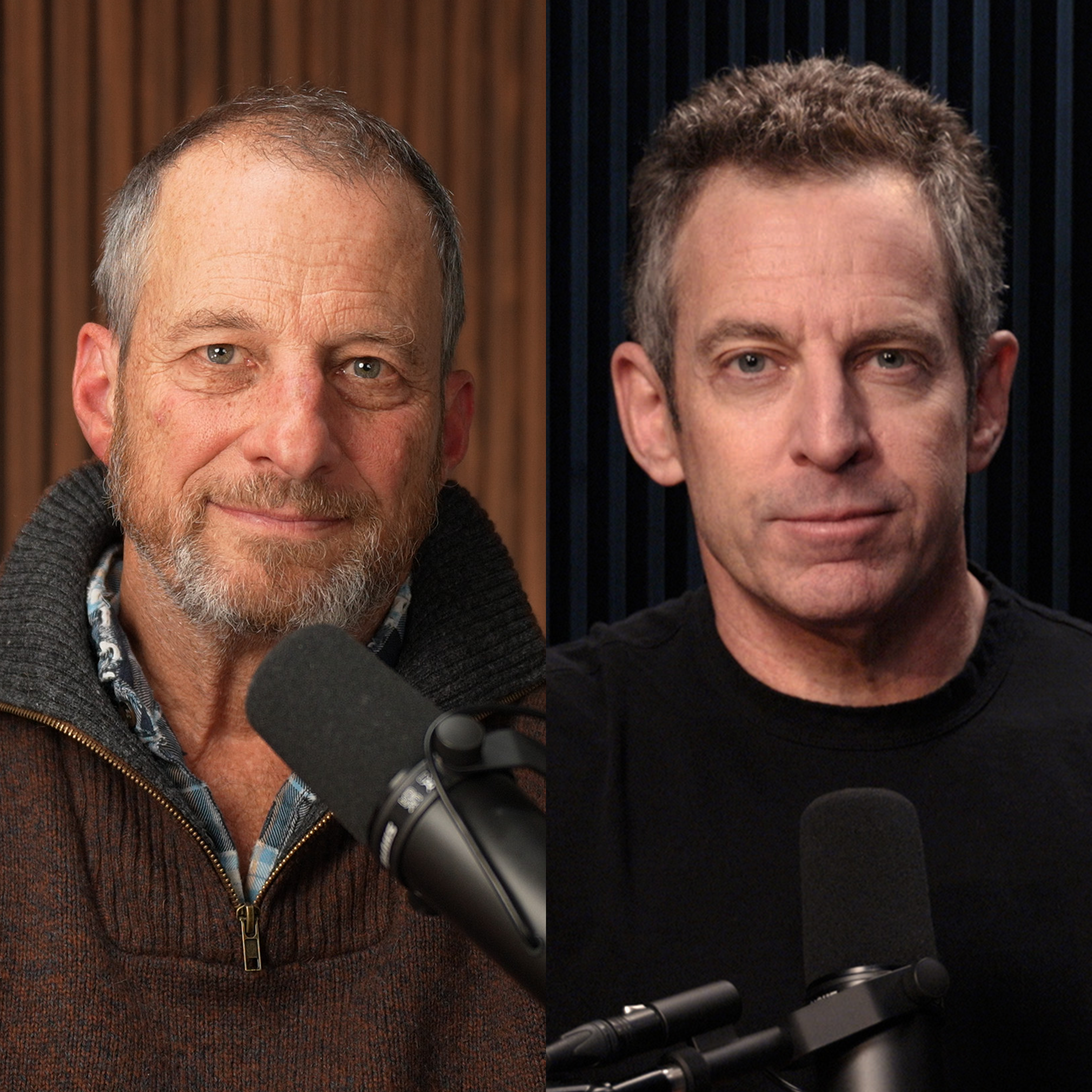
Sam Harris argues the most alarming form of political lying isn't meant to deceive but to overwhelm the public with falsehoods so audacious they defy evidence. This strategy aims to create a "mass hallucination" by bludgeoning audiences with lies rather than making a believable argument.
Harris argues that Trump's absurd claims, like immigrants eating pets, are a calculated method. By saying something shocking, he forces everyone to focus on the outrageous, effectively diverting attention from his lack of concrete plans on critical issues like the economy.

Mapping Trump solely as a self-serving politician is incomplete. His behavior is better understood as a combination of a narcissist who seeks power and a patriot who genuinely wants to impose law and order, leading him to use extreme methods.

Our anger towards hypocrisy stems from a perceived 'false signal.' A hypocrite gains status (respect, trust) without paying the cost of their claimed principles. This triggers our deep sense of injustice about an unfair exchange, making the violation about social standing more than just morality.

Influential figures like JD Vance and Elon Musk believe they can use Donald Trump as a vehicle for their own agendas, viewing him as a "dolt." They fail to recognize Trump's unique, once-in-a-generation political talent for working a crowd and understanding populist sentiment, which he uses to maintain control.

Drawing parallels between wrestling and politics, Paul Levesque asserts that voters ultimately choose presidential candidates based on charisma and personal connection, not policy details. He cites figures like Donald Trump as examples of personalities whose ability to command an audience is their primary asset.
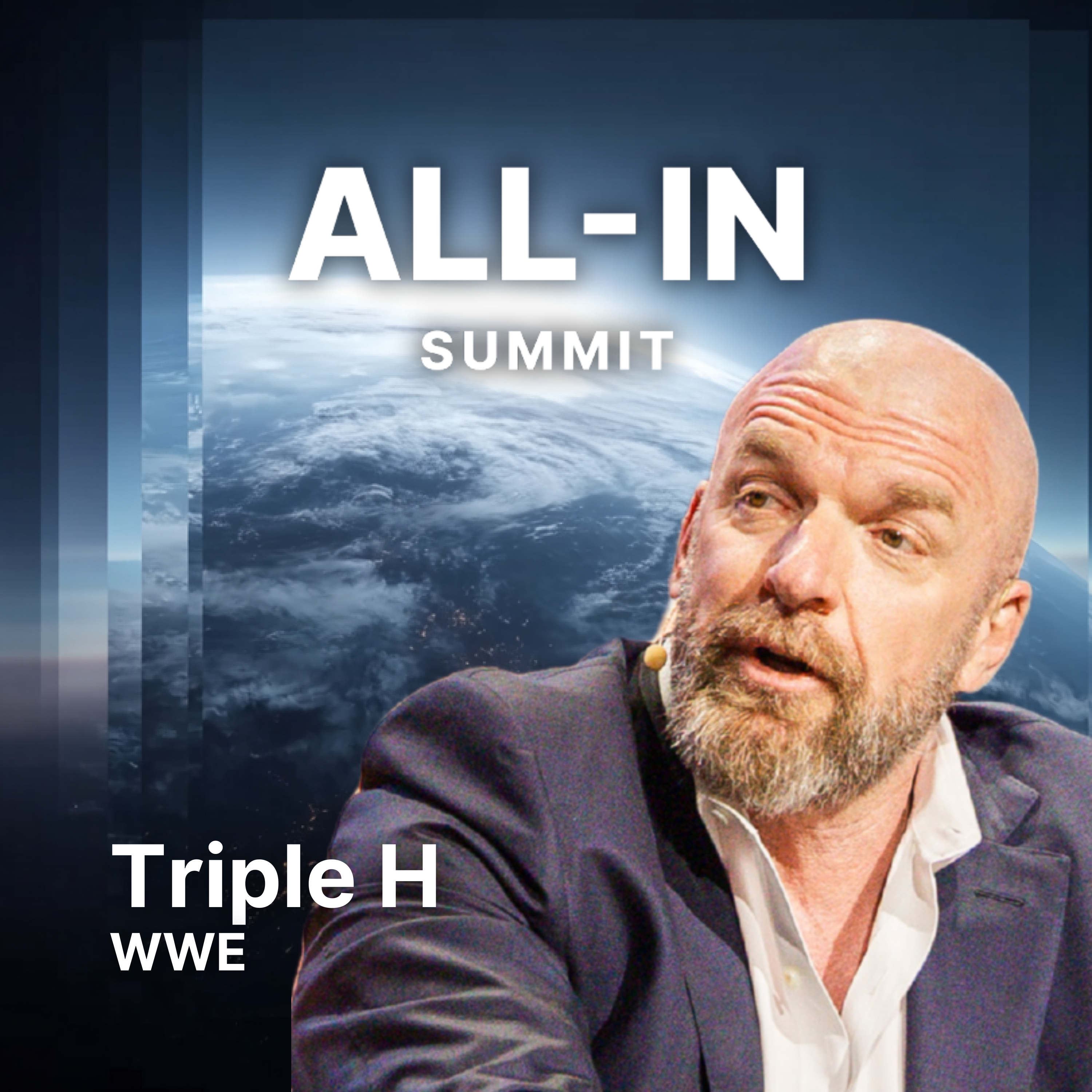
The success of figures like Trump and Mamdani shows a political shift where personality trumps policy. Voters are drawn to authentic, entertainer-like candidates who connect on a human level, making traditional, unrelatable politicians obsolete.

Understanding political behavior is simplified by recognizing the primary objective is not ideology but accumulating and holding power. Actions that seem hypocritical are often rational calculations toward this singular goal, including telling 'horrific lies.'