Get your free personalized podcast brief
We scan new podcasts and send you the top 5 insights daily.
Re-analysis revealed the drug's efficacy was concentrated in patients 65 and younger, extending survival by 17.1 months. This effect was missed in the original trials because it was diluted by the non-responsive older population, whose declined immune systems could not fully engage with the treatment.
Related Insights
To demonstrate a long-term survival benefit without a new trial, Neuvivo hired a research firm to track down patients from the original study. By collecting "last date alive" information in a blinded fashion, they generated statistically significant survival data years after the trial concluded.
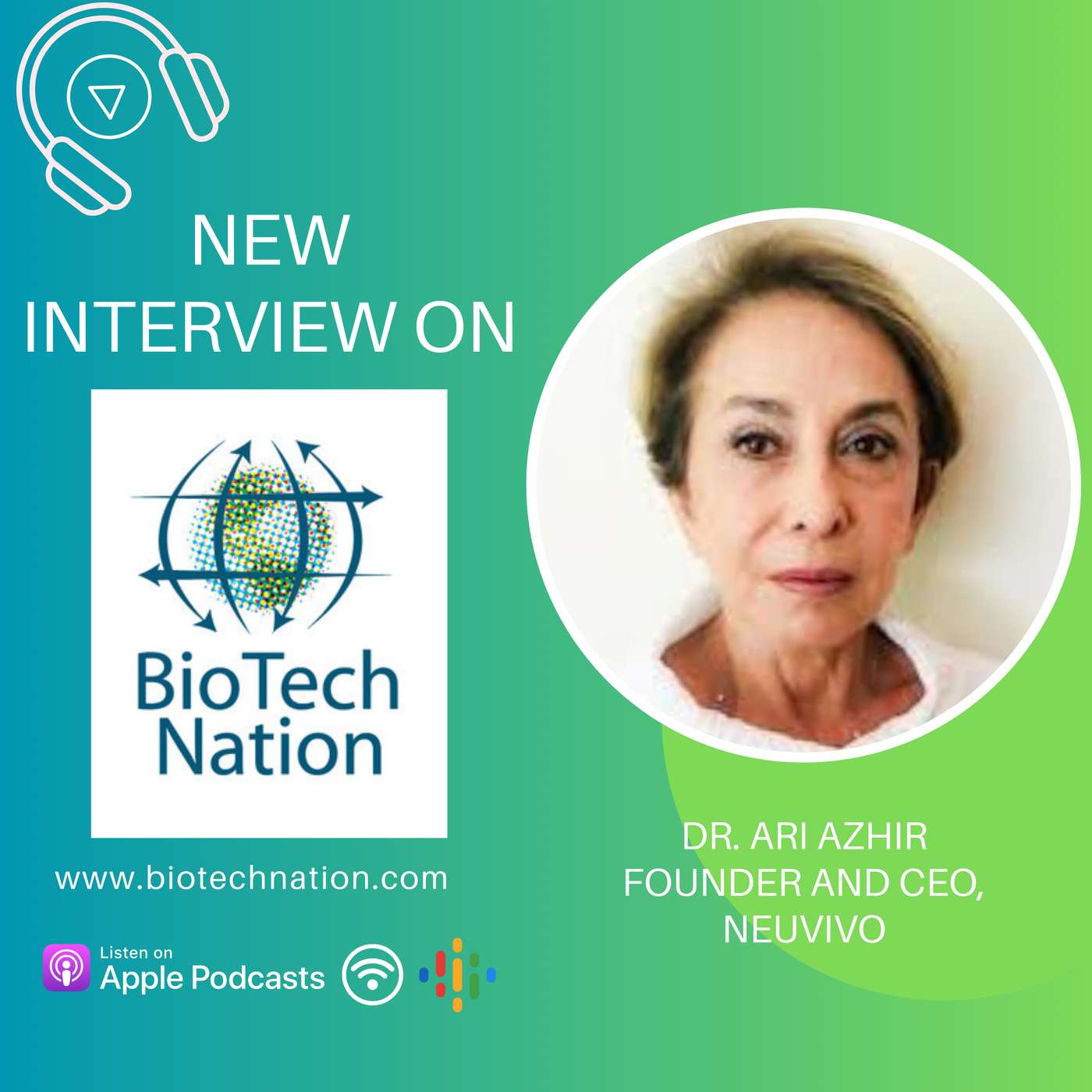
When a promising ALS drug failed Phase 2 trials, the company shut down. The drug's original founder, Dr. Ari Azhir, still believed in the science, repurchased the asset and all its data, and ultimately uncovered its true potential, leading to a new FDA application.
Despite impressive data supporting HMA/Venetoclax, its application in younger, fit patients must be cautious. The pivotal VIALE-A trial excluded key subgroups like FLT3, core binding factor, and certain NPM1 patients, for whom intensive chemotherapy remains the standard.
Developers often test novel agents in late-line settings because the control arm is weaker, increasing the statistical chance of success. However, this strategy may doom effective immunotherapies by testing them in biologically hostile, resistant tumors, masking their true potential.

After reacquiring a "failed" ALS drug, Neuvivo's team re-analyzed the 200,000 pages of trial data. They discovered a programming error in the original analysis. Correcting this single mistake was a key step in reversing the trial's outcome from failure to success.
Orca Bio's initial trials focused on younger patients who can withstand intense chemotherapy. Now, they are strategically expanding their addressable market by demonstrating Orca T's effectiveness with reduced-intensity conditioning. This makes the curative therapy safer and accessible to a larger population of older or frailer patients.
Diverging from typical approaches that focus on damaged neurons, Neuvivo's drug addresses ALS as an immune system disorder. By supplying a molecule the immune system is missing, it helps regulate the system, allowing the body to recover from the attacks that cause neurodegeneration.
A significant criticism of the pivotal KEYNOTE-564 trial is that only half the patients in the control arm received standard-of-care immunotherapy upon relapse. This lack of subsequent optimal treatment complicates the interpretation of the overall survival benefit, raising questions about its true magnitude.
Immunotherapies can be effective even without causing significant tumor shrinkage. Immunocore's drug KimTrack had a low 5-7% objective response rate (ORR) but demonstrated a massive overall survival (OS) benefit, challenging the reliance on traditional chemotherapy metrics for evaluating modern cancer treatments.

Xevinapant's Phase III failure, after a promising Phase II trial, was partially attributed to the broader, more heterogeneous patient population. This group experienced greater toxicity than the Phase II cohort, suggesting early-phase safety profiles may not scale, ultimately compromising the efficacy of the entire treatment regimen.
